Ryanair warns soaring jet fuel prices could topple rival airlines

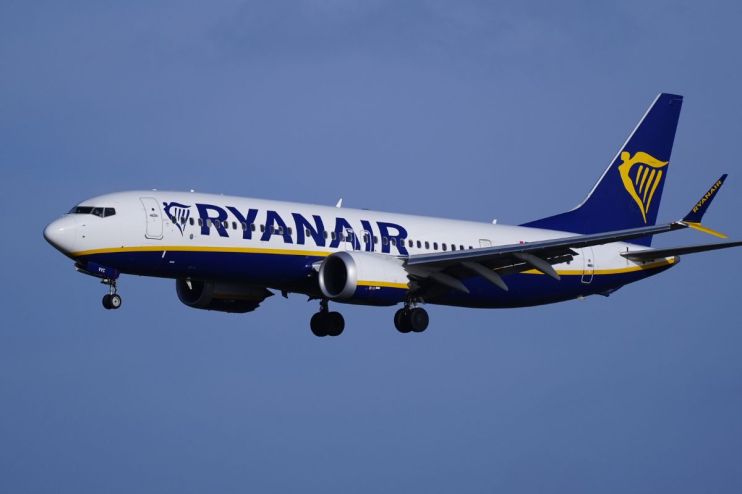
Ryanair has warned that the price of jet fuel could soar next summer, threatening some of its European competitors with collapse.
The budget airline said it has taken emergency measures to protect itself from the higher jet fuel prices caused by the Iran war, trimming its passenger targets from 216m to 214m for this year.
The Dublin-based firm said it has secured fixed-price contracts for 80 per cent of its fuel needs for the coming year, but opted to cut some flights to reduce the amount of fuel it has to buy at market rates.
The lower flight schedule will soften Ryanair’s losses for the winter period by €70m to €100m. The carrier is on track to grow its summer traffic by more than five per cent to 145m this year.
Ryanair warned that some of its European competitors are more at risk to the soaring jet fuel prices caused by the closure of the Strait of Hormuz.
“If high oil prices continue through to [next summer], Ryanair believes short haul airfares in Europe will increase materially to reflect higher oil prices,” the Dublin-based firm said.
“Some less well-hedged competitors will struggle to maintain capacity or even survive this coming winter season.”
Fuel costs double
In July, Ryanair revealed that the cost of the 20 per cent of its fuel needs that were not fixed-price had more than doubled at the start of this year, to $150 per barrel.
As a result, the firm’s operating costs jumped 11 per cent to €3.8bn in the three months to June and its pre-tax profit slumped by 36 per cent to €593m.
The airline, which is listed in Dublin and New York, said in May that it would discount some of its fares to push up volumes to contend with lower demand caused by the Middle East conflict.
Ryanair is far from the only airline to take a hit from the Iran war. Tourism group Tui swung to a €17m loss in the six months to June, blaming higher fuel costs and weaker travel demand.
Easyjet took a £200m hit to its profit in the three months to June, as fuel costs per passenger surged by £100m, or 13 per cent.