Selection campaign: How do parties choose their candidates?

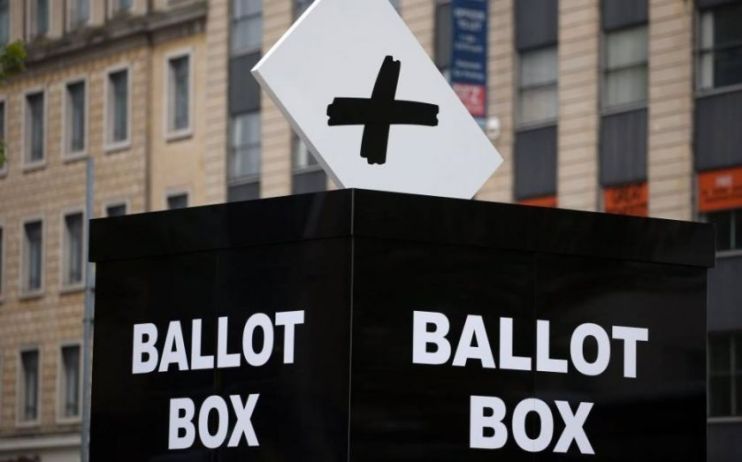
Westminster insider or local champion? Choosing who gets on the ballot paper is harder than you’d think, says John Oxley
There’s a little over 24 hours left until the first stage of the election is done. Nominations close tomorrow afternoon, at which point we’ll know the full slate of candidates vying to be MPs. For the major parties, this caps perhaps one of the most important and intensive aspects of our democracy – the selection process. Often opaque and bitterly fought, who ends up on the ballot paper can have as much impact on careers and our politics as how many votes they get. With dissatisfaction in politicians growing and Westminster dogged by successive scandals, it seems there is a mismatch between what the public wants and what parties produce.
Part of the reason for this probably lies in the unappealing aspects of the job. Few roles entail such public scrutiny and, increasingly, abuse. Splitting time between Westminster and the constituency is disruptive to family life. Tying your livelihood to political fluctuations can be uncertain (just ask the losers come July). More than that, demands of political partisanship – keeping your head down and staying in-line – only appeal to so many people. Despite that, the parties have no shortage of volunteers. The challenge is whittling them down to the right ones.
This comes down to a mixture of patronage, politicking and luck. Being a candidate, or even an MP, comes with little in the way of a job description. In the world at large there’s little sense of what a good representative looks like. Public expectations are often contradictory. People want brilliant administrators committed to national policy, who at the same time are in touch with the needs of even the smallest subsection of the population they represent.
Parties are often torn between finding people who are good for the campaign and those who might be capable parliamentarians. Recent elections have shown where this can go spectacularly wrong, with multiple new MPs having the whip withdrawn and even being jailed. Meanwhile the process itself is often a battle between egos and ideologies.
The increased opportunity for winning seats has thrown Labour picks into the spotlight. Factional fighting has been cited in disputes over whether Dianne Abbott would stand, along with several other selections. From the outside, this often seemed to have more to do with internal power struggles than the actual quality of candidates. Indeed, you rarely see anyone say anything of a putative MP other than that they are “excellent and hard working” – which seems to ring hollow when so many are a disappointment once ensconced in Westminster.
On the Tory side, the last-minute selections seem to have skewed towards SW1 insiders. Among the few winnable seats the party has left, many have ended up in the hands of political advisors and think tank veterans. This may rankle with some more parochial constituents, but also suggests that the Tory recovery might be more grounded in policy than it otherwise could have been.
With the expected swing in seats, combined with retirements, the 2024 intake will be the biggest generation of new MPs in modern history. They will both shape Westminster and be shaped by it. Generally, however, they have been picked with little consensus on what MPs should be for and what makes them good at it. It’s a far cry from the recruitment processes now employed by the corporate world.
With the country facing big, perilous challenges, the average voter will have little idea of how up to it the names on their ballot papers are. Often we can only trust that our preferred party has been thorough and fair and produced the right calibre of candidates. Though Cameron flirted with making selections more open, that idea has died. Perhaps over the next term we can begin with having a clearer idea of what we want from our MPs.
John Oxley is a political commentator and associate fellow at Bright Blue