Services sector cuts jobs for nearly two years under cost pressures

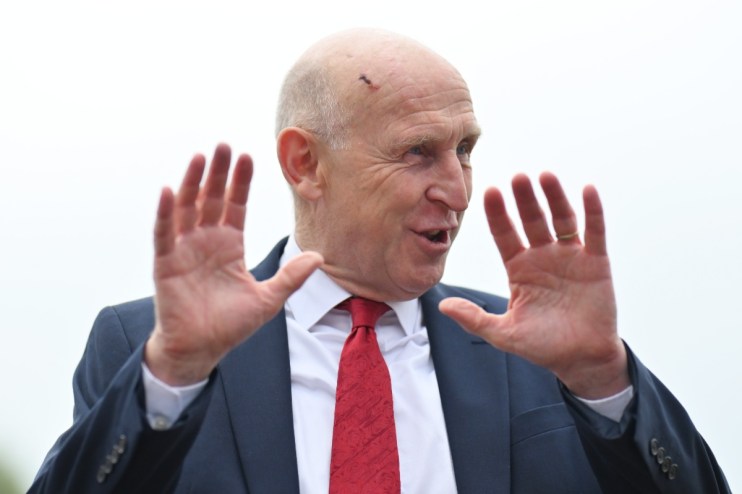
Employment in the UK’s services sector dropped for the 23rd consecutive month in August as businesses maintained hiring freezes and trimmed headcounts following cost pressures.
S&P’s latest Purchasing Managers Index (PMI) for the services industry – which is closely monitored by economists – revealed the sector has continued its longest continuous stretch of workforce reductions since records began in 1996.
Rising cost pressures and elevated input prices were cited for shaping business behaviour as surging fuel, transportation and wage bills pushed up operational costs. Some firms were recorded as turning to automation as a way to boost productivity.
A typical-mid-sized firm in the UK is forecast to be paying roughly £827,000 more a year than they were in 2016 as a direct consequence of domestic policy decisions from the government, according to a business cost calculator launched by the British Chambers of Commerce.
Despite the prolonged slump, the pace of job cuts slowed to its lowest rate since October 2025 after a modest recovery in new business and confidence on the domestic front.
The PMI showed a headline reading of 52.5 in August, climbing marginally from 52.1 in July. It remained above the neutral 50.0 mark that indicates whether a sector is growing.
“Service providers are increasingly optimistic about the year ahead business outlook, with confidence levels now close to those seen just prior to the Middle East conflict,” Tim Moore, economics director at S&P Global Market Intelligence, said.
Burnham and Healey look to build confidence
Prime Minister Andy Burnham and Chancellor John Healey face a test in maintaining the momentum as the new government’s first Budget looms on 28 October.
Moore said business activity growth projections were “still subdued in comparison to long-run trends amid lingering worries about inflationary pressures and geopolitical tensions”.
The US-Iran war has piled more pressure on the new Chancellor, who is expected to see his fiscal headroom slashed as a result of surging borrowing costs. Bond yields across the globe have climbed as a result of surging oil prices triggering widespread fears of a spike in inflation.
Pantheon Macroeconomics researchers suggested that higher gilt yields had now cut the fiscal headroom to just £13bn, below previous forecasts of around £15bn before a recent sell-off in bonds caused borrowing costs to rise.
The hit to bond markets would force the Office for Budget Responsibility (OBR) to revise up its projections on debt interest payments in 2030. The UK government is currently set to spend about £135bn in paying off debt in five years.
Healey’s commitment to early spending ambitions and his predecessor’s fiscal rules – to fund day-to-day spending through tax receipts – have heightened speculation of another hefty tax raid.
Economists have warned “large tax hikes are on the way” as Healey looks to meet calls for further cost of living support, increase defence spending and maintain fiscal headroom.