Show us the money: landlords need to fix their freezing properties

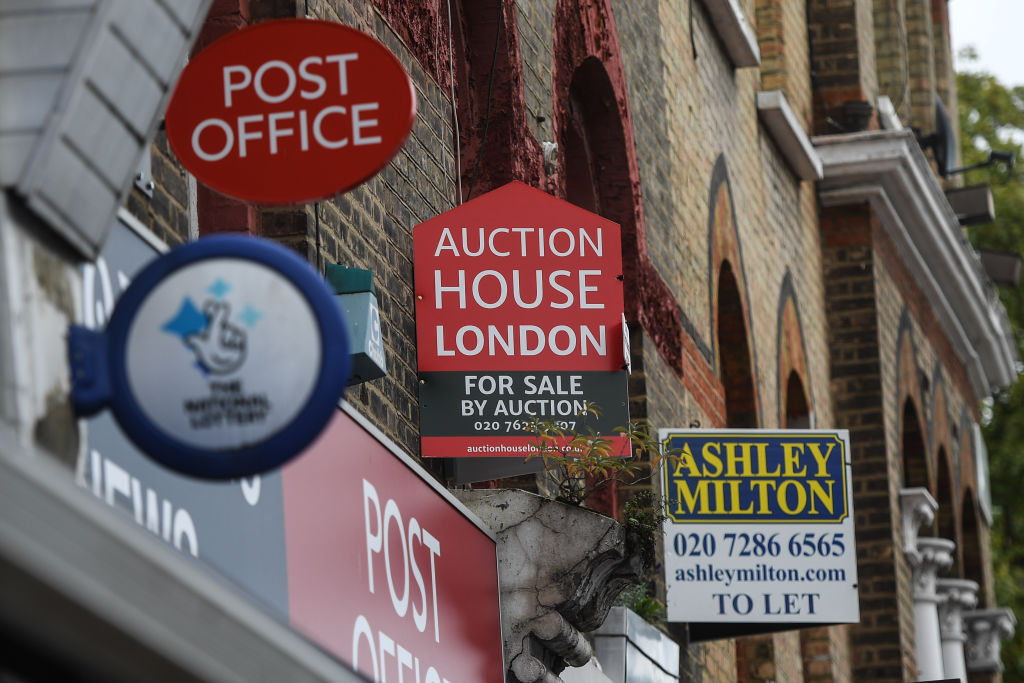
Sky high rents and even higher energy prices. Homeowners have a reason to make their houses energy efficient, but landlords don’t care what their tenants’ bills are. Sam Robinson looks at the conundrum for rental properties.
As winter grinds on, people across the country are dreading the energy bills coming into their inboxes. Many are throwing on blankets or hugging a hot water bottle for fear of putting the heating on. Against this troubling backdrop, there has been a renewed interest in driving up energy efficiency in Britain’s housing stock.
The private rented sector accounts for around one in five UK households, and yet some 64 percent of private rented properties are rated Energy Performance Certificate D or below. In other words, they have some of the worst energy efficiency in the UK. And those in rented properties aren’t just contending with crippling heating bills, but also record soaring rents. The private rented sector has the highest proportion of households in fuel poverty.
More energy efficient properties are obviously in the tenants’ interest; moving up just one band from D to C can save more than £300 a year on energy bills. It’s also in the national interest: heating homes accounts for 17 per cent of the UK’s carbon emissions and 30 per cent of energy use. Not to mention the cost to the exchequer of topping up energy bills for those in homes where the heat seeps straight out the window.
But in terms of immediate financial incentives, it’s not in the interests of the people who can actually do something about it: landlords.
The government has made strides to improve energy efficiency with various schemes, including the heat strategy and the £450m boiler upgrade scheme. It has also signalled an ambition for all new rented homes to be in the top three energy efficiency bands by 2025, while existing tenancies will have until 2028. Still, on current trends, by 2028 there will still be over 1.5 million rental properties falling short.
The cost of improvements can be substantial for landlords. Some estimates put the average cost of bringing a rental property in line with the new requirements north of £10,000. There is a £3,500 cap on the amount landlords have to spend on upgrades, with consultations about raising this to £10,000 ongoing. Meanwhile, only around a quarter of landlords report they are willing to spend more than £3,000 to bring their property up to Band C.
The risk is that if landlords are pushed to improve energy efficiency too far and too fast, they will increase rent, sell up or move to less regulated short-term lets. None of this would help renters.
Considering the dire state of Britain’s housing stock, which is among the least energy efficient in Europe, the government should not back down on its ambitions to dramatically improve energy efficiency in the rental sector. But it needs to do more to increase green investment.
One approach could be to use tax incentives. The current system of mortgage interest rate relief, which gives landlords a 20 per cent tax credit on mortgage interest payments, replaced a much more generous system that allowed landlords to deduct any mortgage interest from their rental income before tax. More generous tax credits could be given to properties that have moved up at least one band, to a minimum of band C.
Alternatively, over time mortgage interest rate relief could be restricted to properties at Band C or above, with exemptions for historical buildings or properties that were assessed not to have the potential to reach Band C in the first place. These approaches are not mutually exclusive; government could combine a carrot – by rewarding high-performing properties with additional tax savings – with a stick – through restricting relief for particularly inefficient properties.
With luck, this winter may be milder than we feared. Energy bills are expected to fall further, but they are still not coming cheap. Either way, increasing our woeful rented housing stock puts us in a more resilient position, both environmentally and financially, if another crisis comes down the line. So whether it’s governments or landlords, it’s time to show us the money.