Skip to content
Friday 28 August 2026London --:--Frankfurt --:--Zurich --:--
NewslettersSearchEN · DE · FR
MorningWire

European business, markets and politics

FTSE 100
10,815.29
+0.21%
DAX
26,506.37
+0.53%
CAC 40
8,396.65
+0.92%
STOXX 50
6,471.28
+0.72%
  • Europe
  • Markets
  • Business
  • Economy
  • Regulation
  • Politics
  • Opinion
More
GermanyFranceEU InstitutionsCompetitionPublic AffairsBankingTechnologyEnergy
  • Germany
  • France
  • Europe
  • Markets
  • Business
  • Economy
  • Regulation
  • Politics
  • Opinion
  • DE
Wednesday 22 February 2023 5:00 am  |  Updated:  Tuesday 21 February 2023 4:47 pm

Sports clubs defy the normal rules of markets and won’t bend to a football watchdog

By: Paul Ormerod

Add as a preferred source on Google
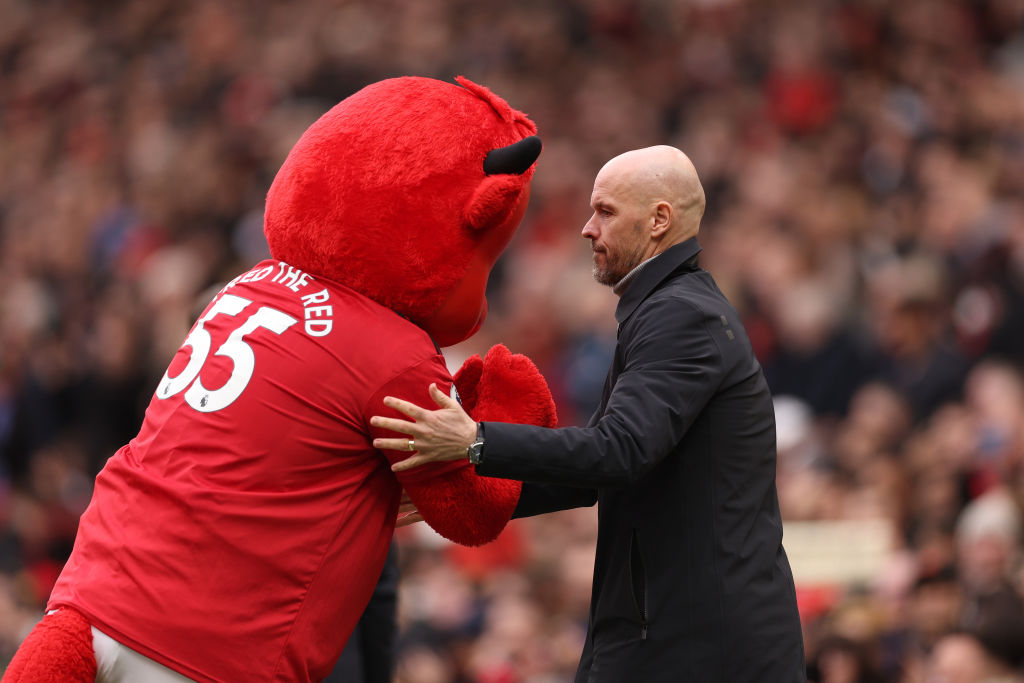
Manchester United v Leicester City - Premier League
Manchester United manager Erik ten Hag with club mascot Fred the Red. (Photo by Richard Heathcote/Getty Images)

Popularity of sports club is driven by their performance on the field, not by their financials. The very best efforts of a football regulator wouldn’t be able to change the way cultural markets work, writes Paul Ormerod.

As a native of the town of Rochdale, I follow the fortunes of Rochdale Association Football Club. I am indeed, albeit in a modest way, a shareholder.  

This investment is unlikely to finance my old age. The team currently sits bottom of the entire Football League, 92nd out of 92 clubs and at risk of relegation out of the competition. At the end of last year, its chairman stated the club was due to record a loss of over £1m, perhaps 25 per cent of its turnover. A shareholders rights issue to plug the deficit seems to have had a very low take-up.

Hardly more than 10 miles away as the crow flies sits the Theatre of Dreams, home of Manchester United. Probably the most famous team brand in the whole of global sport, United is currently up for sale. It’s considering offers in excess of £4bn.

The massively contrasting fortunes of these geographical neighbours tell a story about the modern world.

When we say “culture”, many people think of things like the opera, ballet and the theatre. But popular culture is far more widespread and pervasive. Football is an integral part of modern, popular culture.

A feature of all cultural industries is that the choices of consumers are determined in a different way to how they are described in standard economic theory.  

Incentives, such as the relative prices and qualities of the alternatives on offer, still matter. But, in addition, the choices which other people make influences your own.

Read more

The only answers to over-tourism are prices or queues

Tourists photograph the ornate white marble Trevi Fountain in Rome, Italy.

I wrote last week of the feedback loops which exist in the emerging struggle for control of the new AI-augmented search engines on the internet. Once a product becomes popular, it becomes even more popular simply because it is already popular.

In a world in which the choices of others influence the choices we make, highly unequal outcomes cease to be an exception; they become completely normal. The feedback loops drive markets towards “winner take all” situations, in which a few have a massive share of the market, and many have very little.

Politicians and regulators are still struggling to come to terms with this new world.

Fans of teams in the lower reaches of the leagues bemoan the unequal way in which the vast sums from television rights trickle down to them. The Premier League currently takes over 80 per cent of the money, giving the rest to the English Football League (EFL). The EFL itself then hands out the cash to the 72 clubs in the three lower divisions in an unequal way.

At first sight, more money for clubs like Rochdale would eliminate their losses and make them more sustainable. But then every team in the EFL would face the temptation to offer more cash to attract the better players. Sports clubs are unusual: they are judged not by their financial performance as companies, but on their performance and results on the field. They maximise costs, not profits.

Once a few gave in, the rest would follow. The players would be collectively better off, but their clubs would be in exactly the same  situation as now.  Most clubs in the lower divisions are only sustainable in the existing form if they have a benefactor – usually local – willing to plough millions into the team.  

The government’s intention to introduce a football regulator will do little or nothing to alter this. The fundamental forces which drive markets in popular cultural activities such as football are simply too strong.

Read more

Why Liverpool deal proves demand for Premier League stakes is soaring

Liverpool FC fans cheering in a stadium, holding up red scarves and wearing team jerseys.

Share this article

  • Facebook
  • X
  • LinkedIn
  • WhatsApp
  • Email

Similarly tagged content:

Sections

  • Opinion

Categories

  • Opinion

Trending Articles

  • Pensioners to hand over bank statements in government benefits crackdown

  • Jamie Carragher: HMRC petitions for Sky Sports star to be declared bankrupt

  • Brewdog founder James Watt hits out at ‘total silence’ over new venture

  • Lloyds Bank and Halifax users unable to use app in latest outage

  • Economists urge Bank of England to halt bond sales as borrowing costs climb

More from Morning Wire

  • The only answers to over-tourism are prices or queues

    Opinion
    Tourists photograph the ornate white marble Trevi Fountain in Rome, Italy.
  • Why Liverpool deal proves demand for Premier League stakes is soaring

    Sport Business
    Liverpool FC fans cheering in a stadium, holding up red scarves and wearing team jerseys.
  • Josh Kerr took the mile record. But how much further can we go?

    Opinion
    Josh Kerr celebrates new mile record 3:42.66 on Omega scoreboard, Union Jack visible, track stadium background.
  • Aston Villa commercial status a tonic for Premier League in big-spending era

    Sport Business
    Unai Emery, Aston Villa manager, shouts with intensity during a football match, gesturing with his right arm.
  • It’s not just Jason Arday, most of sociology is a scam

    Opinion
    Jason Arday smiling, wearing academic regalia with a blue cap and gown with red accents.
  • Is £5bn now the entry ticket into Premier League football?

    Sport Business
    Jeff Bezos, Amazon founder, in a dark suit and red tie at a formal event, looking right.
  • In defence of The Hundred, by co-chair of Welsh Fire

    Sport Business
    Chris Woakes, cricketer in a red uniform, raising his arms in celebration on the field.
  • Chelsea fans stunned as ticket sharing equated with sexual misconduct

    Sport Business
    Crowds of fans gather outside the Chelsea FC stadium on a sunny day, with a Matchday Programmes On Sale sign visible.
MorningWire

Independent European business, markets and political news for decision-makers.

Morning Briefing

Europe

  • Germany
  • France
  • EU Institutions
  • Europe

Business

  • Markets
  • Business
  • Economy
  • Regulation
  • Competition
  • Public Affairs

Editorial

  • Opinion
  • Editorial Policy
  • Corrections
  • Contact

Company

  • About Morning Wire
  • Privacy Policy
  • Terms of Use
  • Cookie Policy
© 2026 Morning Wire Ltd · Published by Morning Wire Media, Bahnhofstrasse 65, 8001 Zürich, Switzerland
Privacy · Terms · Cookies · Facebook