Sterling strength won’t last: Markets will soon notice UK economic weaknesses

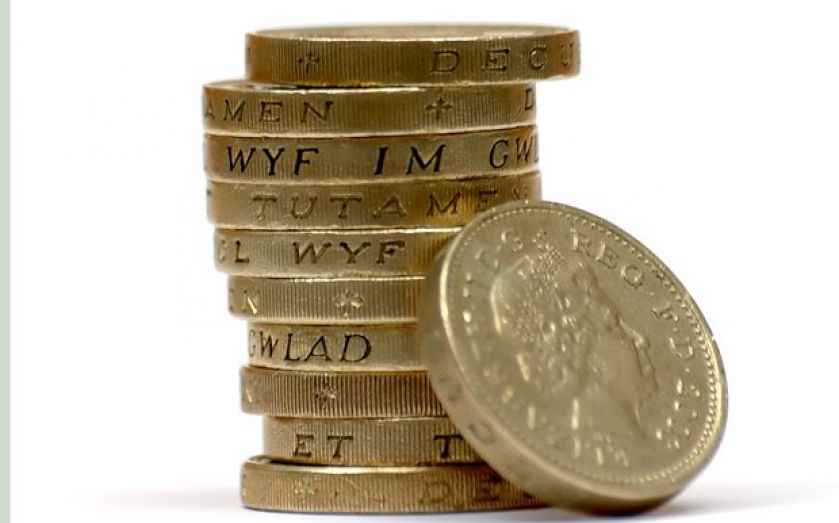
STERLING has had a good run against the dollar, but it can’t last much longer. The pound has risen to five-year highs on growing expectations of an early UK rate rise and more dovish comments from the Federal Reserve. But events on both sides of the Atlantic could upset the consensus.
For a start, the good news story around the British economy is already reflected in the exchange rate. You could see plenty of upside last summer while the dollar was trading at 1.50 to the pound. But up at 1.68 – a 14 per cent appreciation since last July – the air feels pretty thin.
This is not a comment on Britain’s short-term prospects. Although some indicators suggest UK growth may soften slightly in the second half of 2014, stellar industrial production and retail sales indicate that the hard data remains strong. Britain is on track to record growth of around 3 per cent this year – the fastest of any major developed economy.
Currency markets feed off this kind of short-term, high-frequency data – often to the exclusion of longer-term factors. And investors like sterling for its increasing yield, betting the Bank of England will be the first major central bank to raise interest rates. Markets are increasingly confident its move will come next February. Meanwhile, the Fed’s pursuit of a “lower for longer” interest rate policy keeps the dollar in check. But several factors may shift that view.
Perhaps the most critical in both the US and Britain is wage growth. Investors expect a tightening labour market in the UK to accelerate wage inflation and force the Bank’s Monetary Policy Committee into a February 2015 rate hike. That view overlooks important shifts in Britain’s labour market. Look at the number of people re-entering the workforce, the growing proportion of part-time workers (often on low or insecure pay) and record levels in self-employment. None of these groups have great bargaining power, so wage growth might not be that pronounced.
Factor in other concerns over the recovery, such as high household debt and the lack of an export-led recovery (not to mention the awkward timing of a general election in May), and August looks the more likely moment for the Bank to make its move.
In the US, by contrast, structural changes in the labour market may drive the Fed in the other direction. Several economists have suggested America’s participation rate – the proportion of people either in work or actively looking for a job – has shrunk permanently, and not just as a result of a cyclical downturn. That should support higher wages, other things being equal.
The US is also enjoying better macro-economic data, while credit conditions there look better than in the UK. And while Britain’s current account has been widening, America’s is narrowing thanks to a lower foreign energy bill as it produces more shale gas.
For now, the dollar is subdued. The Fed is pushing back on the market pricing early and more aggressive rate tightening. But ultimately the data will decide. The days of a more dovish outlook look numbered. The Fed may now be leading the race that no central bank wants to lead: to be the one raising interest rates first.
The case for a fall in the pound against the dollar is more than a play on relative yield, however. At some point, currency markets will start taking note of longer-term issues weighing on the British economy.
First, the markets have probably failed to price in the likely effect of government cuts over the next couple of years. Despite talk of “austerity Britain”, few investors or the general public appear aware of plans to double the rate of fiscal tightening next year. Cuts in 2016 will be three times this year’s level.
But most pressing is the position of Britain’s trade account. It is hard to see how a country can continue to run a current account deficit equivalent to 4 per cent of GDP and not see significant currency depreciation at some point – particularly since the deficit has been so persistent. The UK may have had a similar-sized current account deficit in boom times as the economy sucks in consumer goods. But it has never been so large during a period when consumer demand has been so subdued.
Household debt, too, remains uncomfortably high, while the UK’s fiscal deficit remains among the largest in the developed world. None of this is about to change soon, but so far it has been disguised by strong short-term data.
At some point, the market will switch its focus towards these longer-term issues. The timing of that shift could be the big story of sterling this year.
Paul Robson is senior FX strategist at RBS.