Skip to content
Monday 31 August 2026London --:--Frankfurt --:--Zurich --:--
NewslettersSearchEN · DE · FR
MorningWire

European business, markets and politics

FTSE 100
10,824.26
+0.29%
DAX
26,258.11
-1.17%
CAC 40
8,334.50
-0.79%
STOXX 50
6,420.16
-1.01%
  • Europe
  • Markets
  • Business
  • Economy
  • Regulation
  • Politics
  • Opinion
More
GermanyFranceEU InstitutionsCompetitionPublic AffairsBankingTechnologyEnergy
  • Germany
  • France
  • Europe
  • Markets
  • Business
  • Economy
  • Regulation
  • Politics
  • Opinion
  • DE
Thursday 02 July 2020 1:14 pm  |  Updated:  Thursday 02 July 2020 1:17 pm

Struggling to adapt? Look to the creative industries for inspiration

By: Jeremy Silver

Add as a preferred source on Google
US-HEALTH-VIRUS
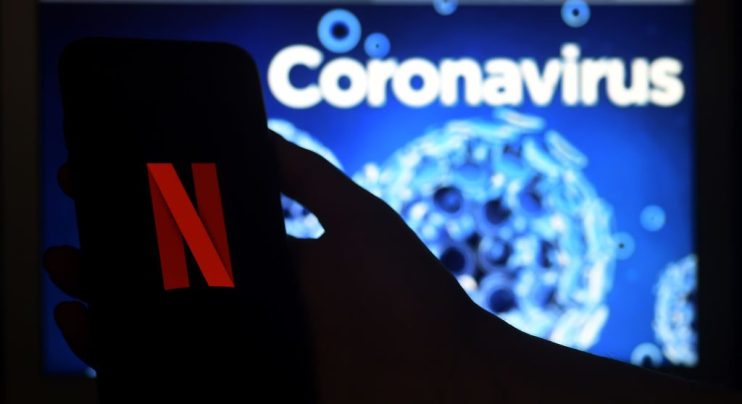
What unites the platforms that have been so ideally perfectly placed to serve society during lockdown (Netflix, Amazon, Spotify and the like) is a relentless commitment to user experience

The outlooks for many sectors remains pessimistic — but if you want inspiration, you’ll find the industries that have been worst hit are setting an example of how to respond. 

Social distancing restrictions have hit the creative industries, from concert venues to cinemas and museums, more than any others. For some companies, this has exposed frailties in their business models. Yet for others, it has been an opportunity to reap the benefits of digital seeds previously sown.

Live streaming services have become integral to the experiences of everyone across the country over the past three months. How much harder would isolation be without Marianne and Connell, or Joe Exotic? Six million UK households have signed up to an online video subscription service during lockdown, with Netflix reporting 16m new users globally — an expanded and willing audience at its fingertips.

It’s almost as if Disney saw the pandemic coming, too. The launch of its Disney Plus streaming service helped the entertainment giant re-commercialise existing content just in time. Investment in digital appears to be paying dividends: Disney Plus has carved out 17 per cent of the UK streaming market, including 52 per cent of the UK’s new subscriptions during lockdown.

The success of these platforms is the result of years of concentrated digital change within the creative industries. I worked in the music business throughout the nineties and noughties and saw an industry that had to change to survive. Its evolution has been epitomised by Spotify, whose tailored playlists to match our daily exercise windows and rapid expansion into podcasts have become integral features of the lockdown experience for many.

Even those without digital DNA have proved they can use technology to adapt. From the British Museum to the National Gallery, the growth of virtual tours enabled by startup technology providers (and Digital Catapult alumni such as Smartify) highlights an increasing shift to digital customer engagement. 

The music industry too has explored partnerships with other platforms to bring entertainment to the masses. Whether he is your thing or not, Travis Scott’s virtual concert which took place inside the crazy gameworld of Fortnite garnered an audience of 12.9m — a quantum greater than any physical venue could achieve.

Read more

Paramount-Warner Bros deal faces ‘sufficient competition’, says CMA

Paramount, Netflix, Warner logos; media giants intensifying streaming competition and strategic industry shifts

At a time when every organisation and sector in the UK is having to re-imagine their business models and routes to market, the creative industries provide a roadmap of how technology can transform and improve services. Just as digital platforms have allowed film, television and music content to reach new audiences online, so too can they support other industries. 

Admittedly, partnering with a rapper isn’t right for every company, but there is no reason why the same techniques, and more thorough immersive technology, can’t be applied by the broader business landscape — to train staff, conduct virtual meetings, or develop new approaches for factory production.  

What unites the platforms that have been so ideally perfectly placed to serve society during lockdown (Netflix, Amazon, Spotify and the like) is a relentless commitment to user experience, world-class algorithms that understand user preferences and make informed recommendations, and investment in high quality content. They know what their customers want, and they use technology to make it quick, easy and affordable for them to get it.

Perhaps the most important lesson from the creative industries for all sectors in the UK is that it is possible to build world-beating businesses from the jaws of collapse.

Now is the time for businesses to consider what the new demands of their consumers might look like after the pandemic subsides, and how they can use technology to meet them.

Main image credit: Getty

Read more

Quaise Energy Closes $180 Million Series B with $35 Million Investment from Nabors Industries and Strategic Framework to Build World’s First Superhot Geothermal Power Plant

Share this article

  • Facebook
  • X
  • LinkedIn
  • WhatsApp
  • Email

Similarly tagged content:

Sections

  • News
  • Opinion

Categories

  • Media
  • Opinion
  • Tech

Trending Articles

  • Pensioners to hand over bank statements in government benefits crackdown

  • Jaguar reveals the Type 01’s screen-free interior

  • Jamie Carragher: HMRC petitions for Sky Sports star to be declared bankrupt

  • City firms mandate phone and face-to-face comms bootcamps for Gen Z lawyers

  • Jamie Vardy bags Bundesliga rights as he steps up streaming war with Neville and Lineker

More from Morning Wire

  • Paramount-Warner Bros deal faces ‘sufficient competition’, says CMA

    Media
    Paramount, Netflix, Warner logos; media giants intensifying streaming competition and strategic industry shifts
  • Quaise Energy Closes $180 Million Series B with $35 Million Investment from Nabors Industries and Strategic Framework to Build World’s First Superhot Geothermal Power Plant

    Business Wire
  • Row erupts over Tory plan to stop Soho pub goers standing up 

    Hospitality
    Bustling Soho street scene with vibrant storefronts, diverse pedestrians, and iconic London architecture under clear skies
  • Goldman and Intel back $5.4bn AI video startup

    Tech
    Goldman Sach bosses said that US stocks were increasingly less preferable than those in the UK and Europe.
  • Goldman: Junior white-collar workers squeezed hardest by AI hiring slump

    AI
    People waiting outside a job centre, highlighting unemployment issues and job search challenges in the current economy.
  • Techtronic Industries Delivers Strong First Half Performance

    Business Wire
  • Retailers hit back at Healey’s ‘profiteering’ threat

    Retail
    Chancellor John Healey smiling, wearing a navy suit, white shirt, and red tie.
  • As it happened: FTSE 100 jumps in best streak since May; Vistry, Melrose lead risers

    FTSE 100 Live
    LSEG signage and digital stock market ticker displays inside a modern financial building.
MorningWire

Independent European business, markets and political news for decision-makers.

Morning Briefing

Europe

  • Germany
  • France
  • EU Institutions
  • Europe

Business

  • Markets
  • Business
  • Economy
  • Regulation
  • Competition
  • Public Affairs

Editorial

  • Opinion
  • Editorial Policy
  • Corrections
  • Contact

Company

  • About Morning Wire
  • Privacy Policy
  • Terms of Use
  • Cookie Policy
© 2026 Morning Wire Ltd · Published by Morning Wire Media, Bahnhofstrasse 65, 8001 Zürich, Switzerland
Privacy · Terms · Cookies · Facebook