As supermarkets keep costs low, farming bears the brunt of inflation in the middle

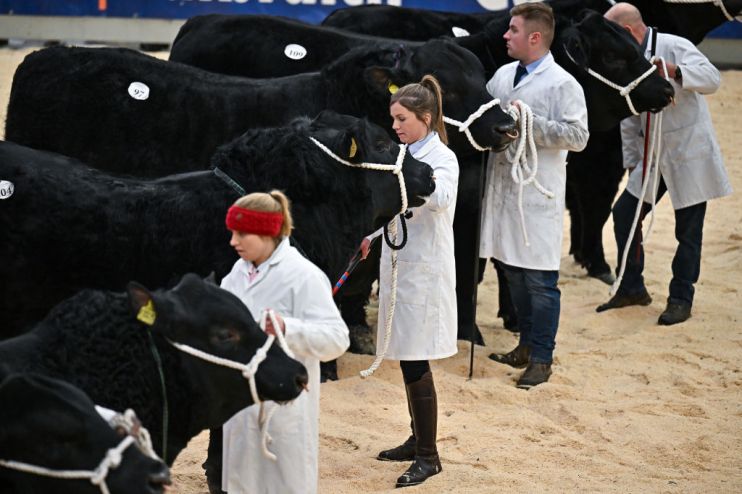
The British farming industry is facing a tumultuous future. The impact of high inflation coupled with the reverberations of the war in Ukraine has left farmers high and dry without access to crucial products. What insiders have termed an “unprecedented crisis” could cause radical change in the British farming sector – an opportunity for some, a forced change for others.
The first huge hurdle is access to fertilisers, a problem we first became acquainted with last September when the cost of energy sent important fertiliser plants into hibernation. The knock on lack of carbon dioxide threatened staple products such as beer.
For farmers, a lack of fertiliser is much more existential than a threat to their daily tipple. Russia is the largest exporter of synthetic fertilisers globally, but earlier this month the Kremlin’s trade and industry ministry suggested producers could halt exports. The price of the raw materials that creates fertilisers has gone up by 30 per cent since the beginning of 2022. As farmers struggle to get enough, their productive capacity is slashed for products like wheat, maize and barley.
Ukraine is also a crucial exporter for our market. It produces much of the sunflower oil we use in the UK, and is also key for the production of sunflower meat, used to feed animals. “The Russian invasion has led to a blockade of the Black Sea port, which is where Ukraine would normally export from. Ships are blocked there and can’t deliver their goods”, says Charles Trotman, Chief Economist at the Country Land and Business Association.
According to Trotman, what the sector really needs is resilience. The self-sufficiency ratio of the UK stands at around 65 per cent, hence the need for imports. But when there is a shock to the system the consequences are huge. As farmers inevitably produce less, the price of what we eat goes up, compounding the current cost of living crisis. “Lots of farmers are making important decisions very quickly. They might be reducing mouths to feed on a farm, or taking areas out of production”, says Tom Denman, managing director of Chef’s Farms.
This perfect storm of inflationary pressures will inevitably drive change. According to Liz Bowles, head of farming at the Soil Association, this is an opportunity to speed up the transition to more sustainable forms of farming, effectively reducing our dependence on chemical fertilisers, which would mean potentially more circular, organic and regenerative farming. This transition would initially translate into a lower yield, but that could gradually become enough if consumer habits adapt. “If we reduce food waste by half, and reduce our reliance on meat and dairy, we could do it”, says Bowles, a farmer herself.
As with any true transilition, even if it promises bountiful rewards later, in the short term it can cause a lot of damage.
The National Farmers’ Union has made clear that the government needs a “market monitoring group” to identify and resolve problems before they cause market failure. Last week, the boss of dairy giant Arla warned that milk prices “cheaper than a bottle of water” were unsustainable. It might mean British farmers turning to international markets where they can make a tidier sum for their products.
“If you look at what we’re paying our farmers today, we’re paying over 30 per cent more than we were a year ago. They need it,” Ash Amirahmadi told the PA news agency.
The NFU is asking the government to even consider loans or subsidising the increase in price to kick-start a transition to more sustainable farming practices. But with the Treasury’s purse strings closed to all but the most pressing problems, it would take significant pressure.
So the change also has to come from the bottom up, from more people eating higher-quality produce and driving down the price. As people look to cut their household budgets in the face of plummeting living standards, people will be turning to cheaper and cheaper food. Supermarkets are trying to shield their customers from the price of rice in inflation, but that leaves farmers caught in the middle, trying to straddle their own inflationary pressures without having higher prices being passed on to them.