Take a Trip to Preserve the Natural World
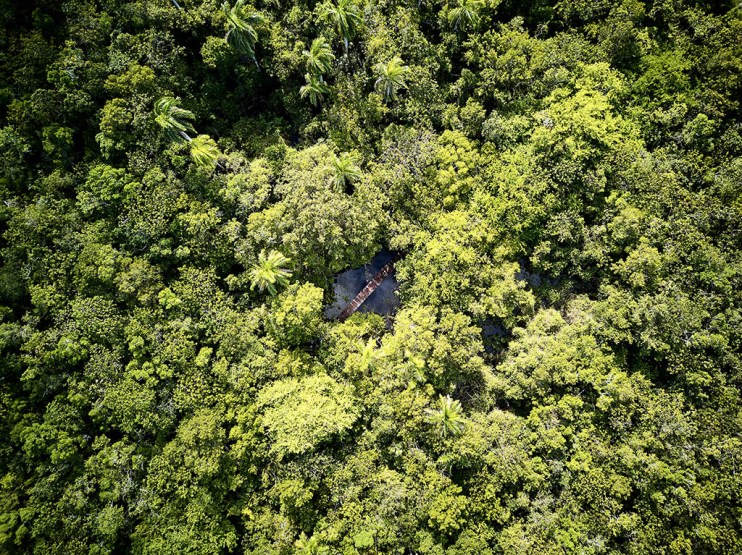
The Cayman Islands’ luxury resorts, harbours and spectacular beaches have always attracted worldwide visitors, but as the visitor numbers grow there are concerns about the impact on the local environment. As a result, sustainability programmes are in place to protect the islands’ natural habitat and resources. In embracing the highest eco protocols, Caymanian authorities have put in place island-wide initiatives that protect the environment and encourage businesses, citizens and guests to adopt practices that reduce waste.
Cayman has long been ahead of the curve in terms of marine conservation. For decades, it’s insisted upon strict protection laws, and funded research into coral reef regeneration. The Central Caribbean Marine Institute (CCMI), based on Little Cayman, supports scientists who are coming up with innovative ways to improve coral reef health and resilience. They are regional pioneers, working to reverse the decline of reefs throughout the Caribbean.
As well as a varied marine life, Cayman is home to a wealth of colourful flora, fauna, birds, insects and reptiles. Multiple species of turtle are growing in numbers directly thanks to recent conservation efforts, while the blue iguana has been saved after coming perilously close to extinction. In the early 2000s there were just 25 blue iguanas on Grand Cayman. Now, there are over 1,000 in the wild and they’re protected by law. Volunteers are encouraged to help with the Blue Iguana Conservation Programme by GPS mapping, trail clearing, iguana monitoring, fence building, nest digging and making vegetation and habitat surveys. In ways such as this, holidaying in the Cayman Islands can be an amazingly rewarding experience, especially for those who are environmentally conscious and looking to make a positive impact.
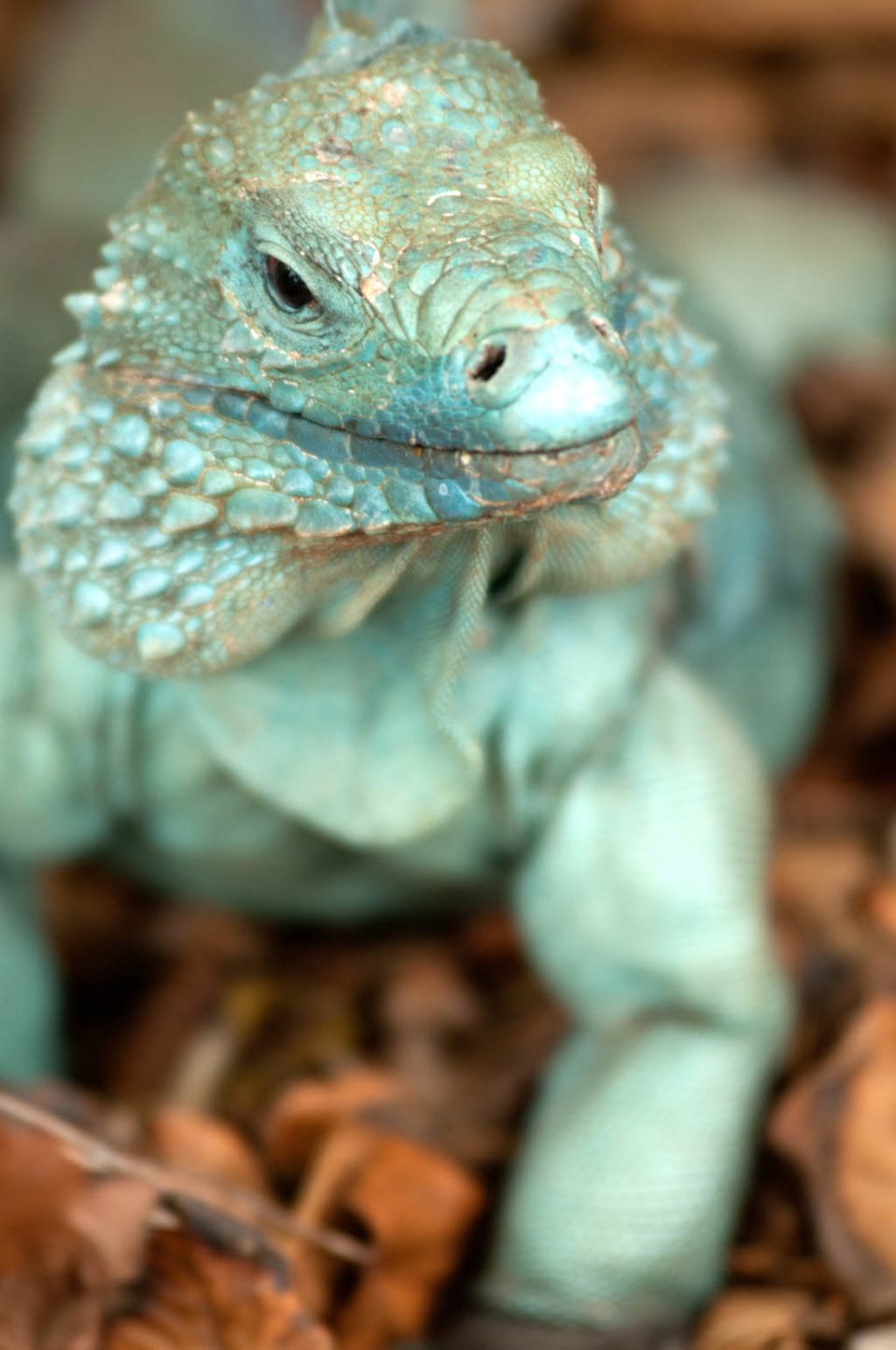
Blue Iguana 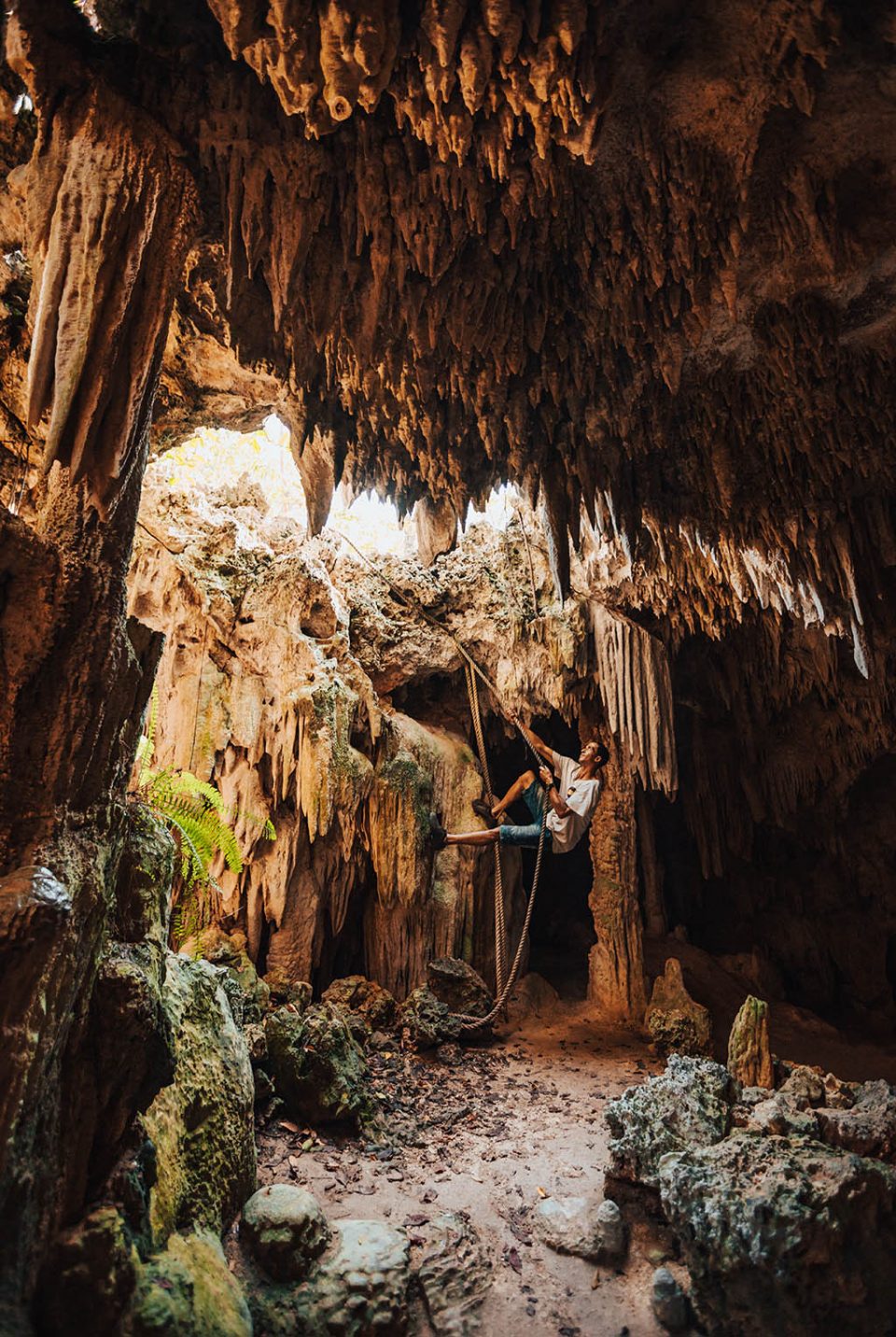
Cayman Crystal Caves 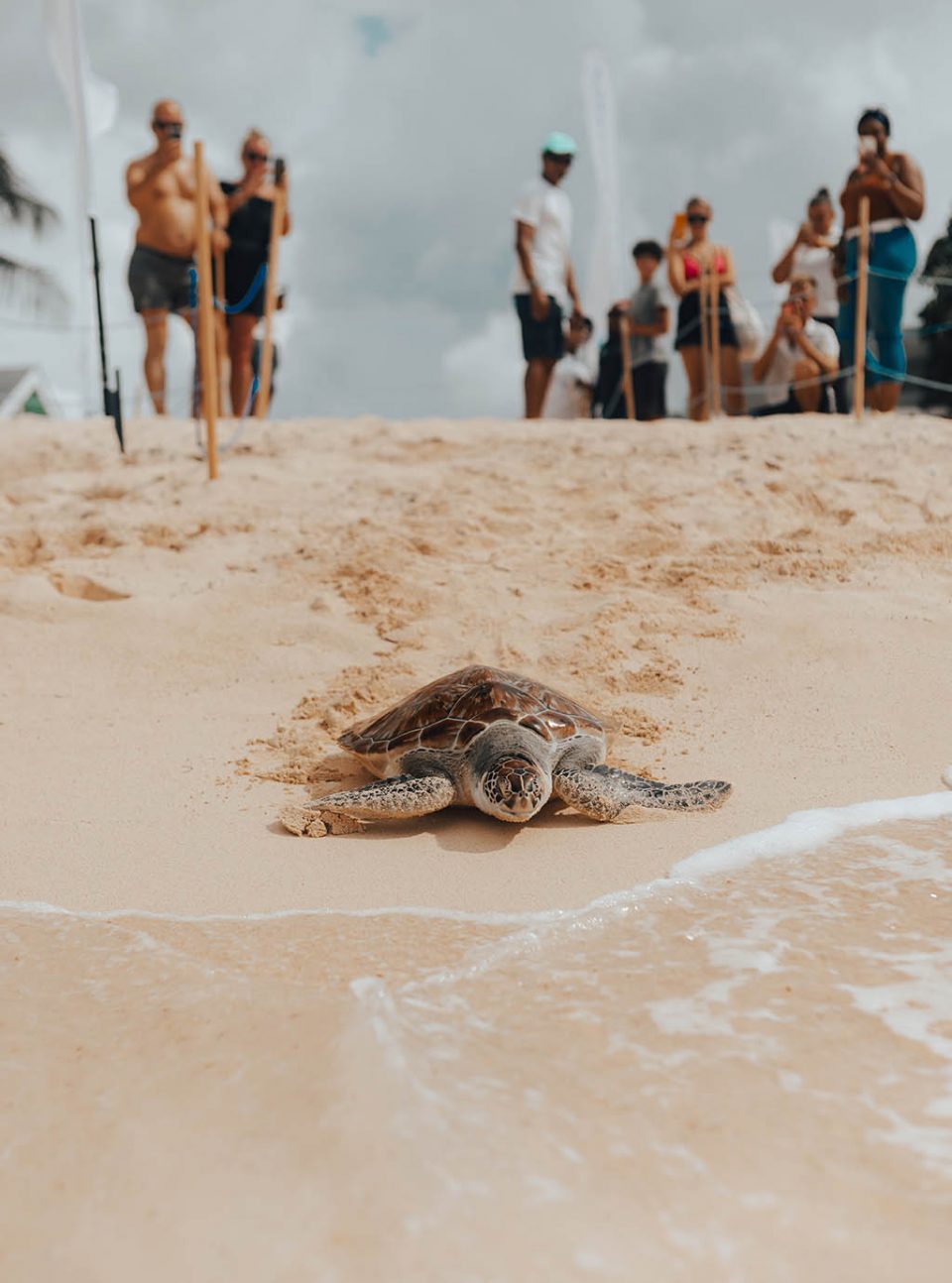
Turtle Release
The National Trust for the Cayman Islands and the Department of Environment run educational programmes and courses for both adults and children, as does the Ritz-Carlton Grand Cayman with the help of Jean-Michel Cousteau, son of the legendary oceanographer Jacques Cousteau. Citizens and visitors are encouraged to respect nature and be responsible for the islands so they can be enjoyed by future generations. The Sea Sense programme, which is run by the National Trust, helps restaurants and customers make informed and environmentally positive choices about the food they eat and how and where it’s sourced.
Local eateries, bars and shops are phasing out single-use plastics such as straws, cups and bags and replacing them with more bio-degradable or reusable substitutes. Organically grown food and drinks, environmentally safe consumer goods such as cleaning materials and reef-safe sun care products are now more readily available.
Below the water, coral nurseries and Lionfish Patrols are in operation to restore balance to the delicate ocean ecosystem, and visitors are encouraged to place a vital role in this also. Lionfish is an invasive species that should only be found in the Pacific and Indian Oceans. No one is quite sure how they came to be in the Atlantic and Caribbean, but they cause enormous damage to reefs and the marine ecosystem by eating unsustainable numbers of reef fish. In addition, they have very few native predators and can lay up to 30,000 eggs in four days!
In an attempt to control the situation, and help reverse the decline of Cayman’s treasured reefs, lionfish culls take place throughout the year where licenced individuals attempt to catch them. The Cayman Islands Department of Environment provides training and advice, while many dive operators offer ‘Lionfish Safaris’ where members of the public can take part in a spearfishing expedition. The result is lionfish appearing on restaurant menus and on BBQs around the islands. Despite being disastrous alive, it’s delicious off the grill and by ordering it diners are helping to keep the reefs and other marine life alive and in good fettle.