The Banking Dilemma: Do we really want Big Tech to control our financial data?

“If something is a tool, it is genuinely just sitting there, waiting patiently. If something is not a tool it’s demanding things from you… seducing… manipulating; it wants things from you.”
This damning indictment of social media platforms is one of many from industry insiders featured in the latest must-watch Netflix documentary, The Social Dilemma.
Now, as Big Tech sets its sights on a move into the banking sector, should we worry that it is not only our mental health that is under threat from social media, but our financial health too?
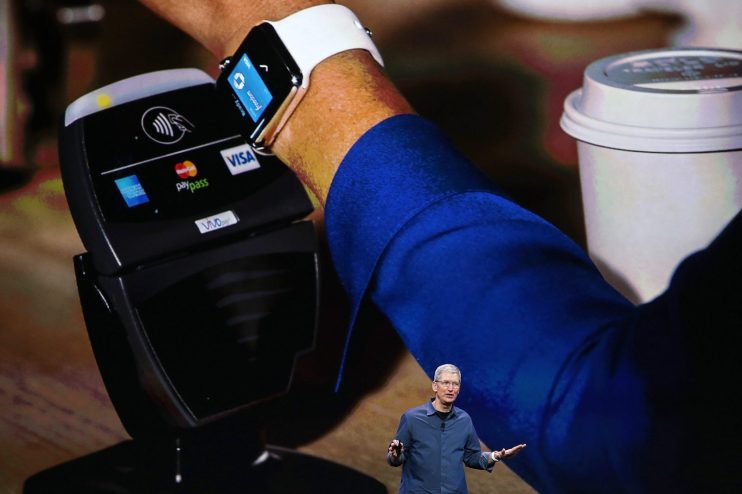
Relatively recently, the large tech brands made their first forays into incumbent territory by targeting the lucrative payments processing space: think services like Google Pay, Amazon Pay, Facebook Pay, and Apple Pay. Chances are you have at least one of them downloaded on your phone and use it regularly to purchase things.
But that was only the start. Spurred on by the roll-out of open banking, PSD2 rules and the opening up of APIs, the likes of Facebook, Amazon and Google have all signalled their intent to dive deeper into banking — and, perhaps, to become the primary interface for customers all around the globe.
The campaign is already underway. Earlier this year, Facebook launched a WhatsApp-based digital payments service for the messaging app’s 120m Brazilian users. Google, meanwhile, announced in the summer that it will provide the consumer-facing front-end to the digital banking services it creates in the US.
The Big Tech companies are betting that their deep understanding of how to design digital customer experiences and act on data will give them an edge, especially as mobile banking becomes even more attractive in the wake of Covid-19.
And they may well be right. But is this a good thing?
For customers, it is worth pausing and considering the motives of the Big Tech players. Underlying the slick digital experiences is a business model founded on getting users hooked on screen time, and harvesting information to sell on.
The end game for these companies when it comes to financial services is to delve far deeper into our lives: to figure out what we’re buying each week, and combine this information with what they already know from our social media habits. This can then be packaged and sold to advertisers who harness it to alter behaviour, and keep us coming back for more.
For Big Tech, financial personal data is a means to an end — arguably just another example of surveillance capitalism.
This has not slipped entirely under the radar. Governments and regulators across the world have expressed concern for some time over the potential for Big Tech to assume — and, potentially, abuse — a dominant position in the banking sector.
Take the reaction in 2019, when Facebook announced its intention to roll out libra — its own digital currency based on blockchain‚ to its billions of users across the globe. Months later, regulators raised privacy flags over Facebook controlling a currency, as well as concerns about money laundering. And just last week, it was reported that G7 leaders are set to publicly oppose libra due to a lack of regulations.
Of course, banks have had their fair share of trust issues too. And they don’t have the strongest track records when it comes to innovation either.
But the business models of traditional banks are very different from those of the Big Tech companies. As highly regulated entities, they handle consumer financial data in an entirely different way, guided by different motivations that protect consumers and ultimately seek to promote financial health.
Turning the tide is therefore of critical importance — for banks themselves, and for customers too.
There is no doubt that banks need to innovate and evolve. If they don’t, they will end up as commoditised utilities, ceding consumer relationships to Big Tech.
This is where fintechs can help. To get that much-needed shot of innovation, banks can form partnerships with smaller players that don’t want to compete directly with them, but rather provide services that augment their offers and help banks make the critical transition to digital relevance.
The right fintech can help banks understand the non-financial behaviour of their customers, using big data and provide the tech to fast-track solutions.
A key aim for banks should be to fit in more seamlessly with the ways people live their lives today: to insert themselves at the right times and places — digitally — where people need financial services. This is what is driving so much interest in the fast-emerging area of embedded banking.
The reality is banks are not perfect, but people trust them with their finances for a reason. They have done so for hundreds of years. This gives the banks a huge advantage at a time when trust in Big Tech is plummeting.
Get it right, and banks can continue to own the customer experience in the digital space. Act too slow, and banks as we know them may soon be a thing of the past. And the Big Tech overlords’ creep towards digital domination will march on.
Main image credit: Getty