
The Cost of Living Crisis Is Not Just Local, It’s Global. We Need a Global Mindset to Tackle It.
The cost of living crisis is being felt by everyone – people on the breadline are now in poverty, those once well-off are now counting their coppers. This might be the picture for most in developed countries, however developing markets have largely been unaffected by Covid and inflation linked to the Russian conflict.
With only Russia’s economic growth projected to be worse off than the UK’s in 2023, the good news for 2023 has to be found outside the G20. As mentioned above, growth in developing markets is looking up; for example, Nigeria’s annual growth is forecast to be around 3.4% in 2023, which puts it at number 5 in the growth table for 2023 when compared with major countries. However, inflation continues to erode consumer purchasing power: Nigeria hit 20.52% in August, 2022, (exceeding July’s 17-year high of 19.64%) and Ghana reached an 18-year high of 27.8% in May, 2022, a number which has been exceeded even further in August to reach 33.9%.
Cost of Living in Nigeria
Food prices have soared an unaffordable 23.12% in August, 2022 (up 1.10% from July), plunging many Nigerians into food poverty and increasing the number going hungry to more than half the population.
Rising costs are being felt elsewhere as well, as reported by the National Bureau of Statistics: clothing, furnishings, fuel (cost of diesel/ litre has risen 209.54% between August 2021 to 2022), gas…
However, there are positives. GDP is growing, and the market is alive with start-ups and investors. Africa received a significant injection of cash in 2021: a grand total of $5.2bn was invested across 604 companies, 33% of which was invested in West Africa. Fuelling the economy will increase job opportunities and when earning, residents will be able to contribute to economic growth via being in a position of having a greater purchasing power.
Combating Inflation
In a massive change of policy, on 5 February 2023, the EU and UK price cap for refined petroleum products came into effect. There were already unsustainable prices hikes of 300% back in May, 2022, after the EU announced to phase out Russian oil. While the ban doesn’t extend to the African continent, it does highlight each country’s reliance on oil and gas.
Africa’s position as a frontier market at the helm of massive industrialisation, puts the country in a position to become a powerhouse in sustainability, by investing in projects that:
- Directly reduce environmental impact and ensure social responsibility
- Commit to adopting innovative and best environmentally-friendly processes
By building the continent with reaching global climate targets, the UN’s Sustainable Development Goals, and the market’s ESG focus at the forefront, Africa will challenge for the title of most desirable market for foreign and national investors. Growing economic investment will in turn generate more jobs, increase prevalence of goods and commodities, and overtime, bring the CPI down to affordable levels.
Bringing Down the Price of Aluminium
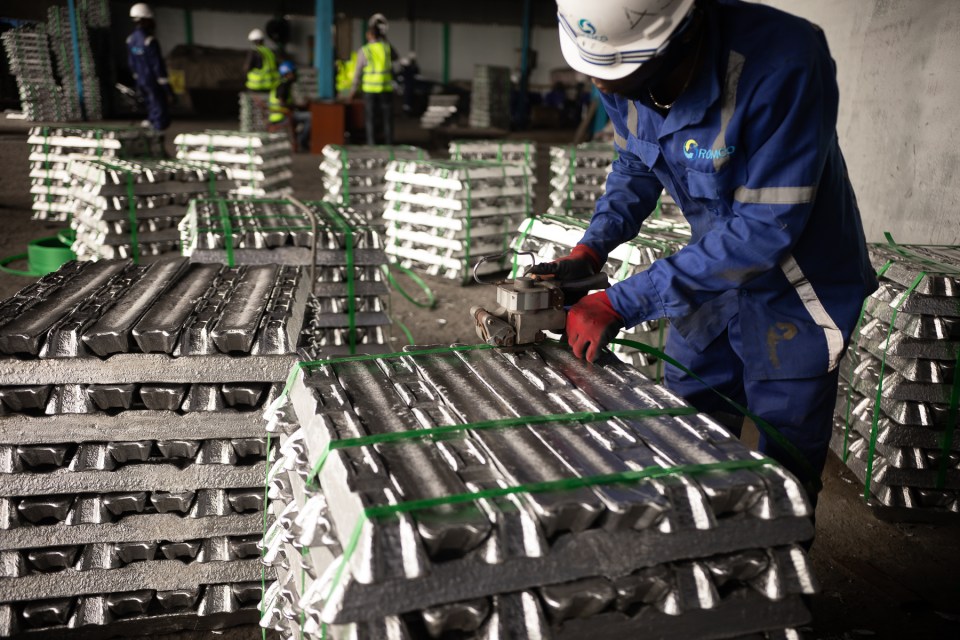
One major commodity whose prices have soared is aluminium. Used heavily in a significant number of industries that underpin daily life and the electric revolution, aluminium is a key, but often forgotten, instigator of consumer prices. If the price of aluminium rises, so does the price of canned foods and drinks, tech, and automotives…to name a few. So what drives the price of aluminium?
Mainly, energy prices: Aluminium uses 2% of the world’s global power annually, thus with Nigeria’s reliance on diesel and oil for most activity, prices of producing primary aluminium have soared. By shifting aluminium production away from primary, the energy requirement drops by 95%, consequently, so does the energy cost of production. In this aspect, it’s cheaper and friendlier to profit margins to produce aluminium from secondary sources.
Another price driver is the complexity and cost of extracting bauxite from raw resources. There’s no denying the fact that the African continent is rich with fossil fuels and minerals (including bauxite) and the financial potential from extracting them is an irresistible draw. But what of the secondary value potential that is often discarded and left on the ground, literally?
Although, the pressure of the Paris Climate Agreement and ESG investors has influenced companies’ desire to access these resources, as is evident in mining GDP. Trading Economics reports a year-on-year decline in mining GDP in Nigeria (and Ghana), with Q4 2021 recording a record low. A decline forecast to persist into the future.
In short, to bring down the price of aluminium, production has to reduce its energy bills and use cheaper source material.
Secondary Production
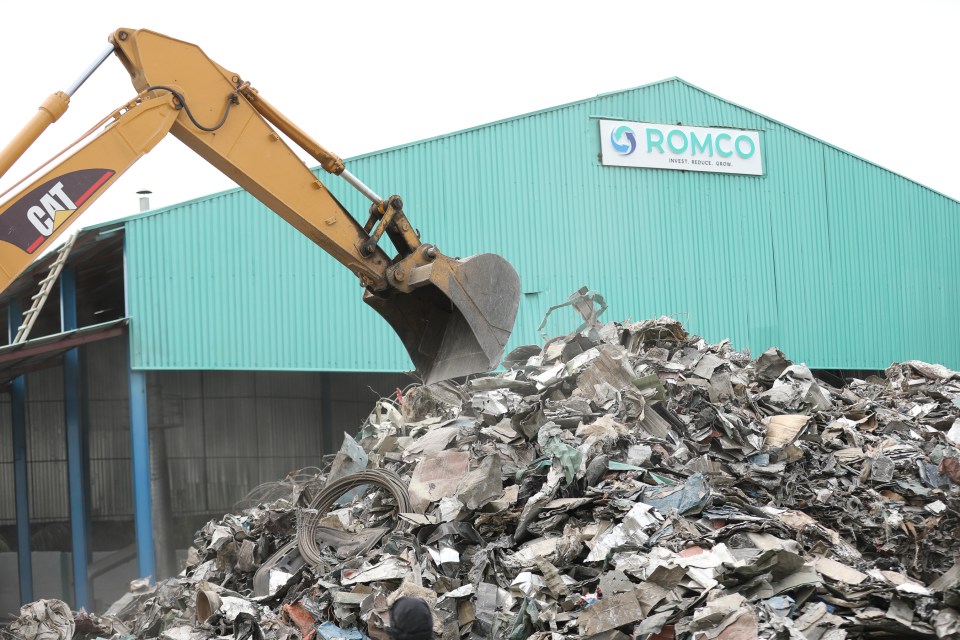
With a global aluminium market value of $163.5bn (2018) predicted to reach $235.8bn in 2025 and a global demand growth of 80% by 2050, there’s money (as well as a resource deadline) in ensuring aluminium is produced by secondary sources. Nigeria is home to a wealth of feedstocks that, as aluminium products reach the end of their lifecycle, will have constant replenishment.
An abundance of easy to access feedstock brings down the prices. Recycling and smelting facilities powered using renewables will create a nominal energy bill as the process itself is 95% more energy efficient. The renewable power aspect will then only be acting on the remaining 5% – saving metal recyclers a lot of money in comparison to their primary production counterparts.
As some extra little benefits, secondary aluminium production emits 95% less CO2 and clears 7.2 cubic metres of landfill per ton of aluminium produced.
Therefore, not only is secondary production the answer to aluminium-related inflation, it’s also a key answer to the world’s complex environmental crisis.
Learn more about Romco’s mission to transform the production of metals to help solve global issues, visit romcometals.com§