The economics of envy: ditch the roses for Valentine’s and bake a cake instead
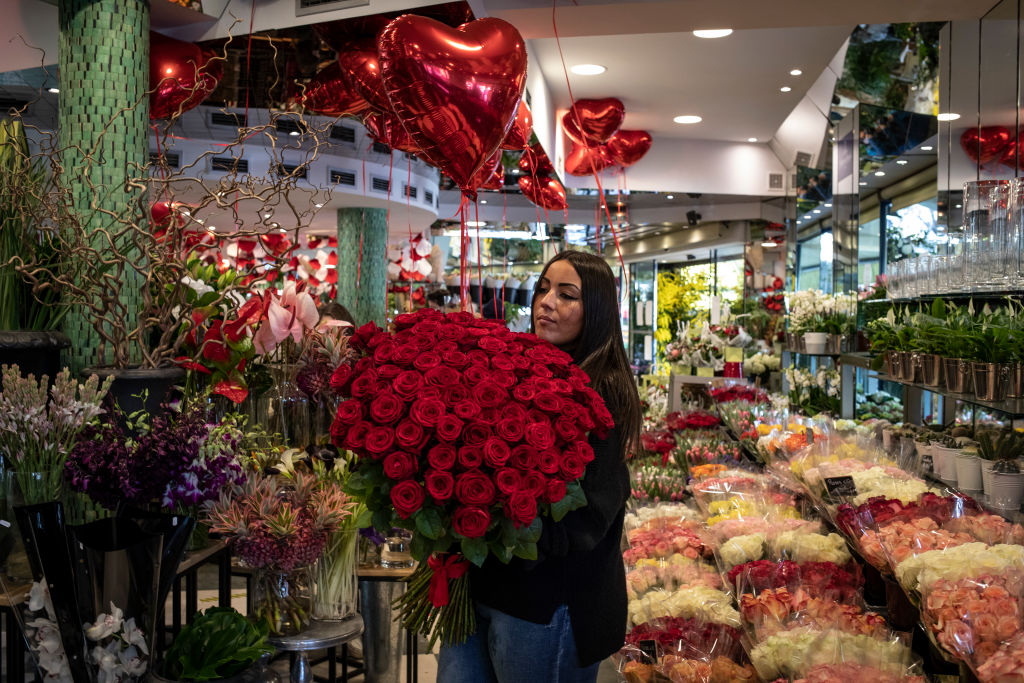
This Valentine’s Day, instead of going for a teddy bear or roses, gift your loved one a shared experience – as economics teach us that’s what they’ll really appreciate, writes Phoebe Arslanagic Wakefield
Witnesses of the desperate queues outside florists today may marvel that we are hostages to the expectations of an obscure saint’s feast day, itself established over a thousand years ago.
It’s also easy to feel sorry for ourselves. The right gift is hard to find at the best of times – birthdays, Christmas – but especially on Valentine’s Day, when it must show someone they are loved. You can understand why many give into the pressure to buy a teddy clutching a heart. Years ago, my own fiancé once navigated these tricky waters by proudly presenting me with a bouquet of flowers recycled from a funeral he had been catering at – at the time, I failed to detect the romance in this environmentally friendly gesture.
Perhaps you would never try to palm your beloved off with second-hand funeral flowers, but in truth we are all so bad at giving presents that it’s a matter of economic study.
In the 1990s, Yale economist Joel Waldfogel published a famous journal article called the “The Deadweight Loss of Christmas”, in which he estimated that poorly chosen gifts cause up to $13bn worth of economic waste a year. This is because we are bad at predicting what someone will like, so what we spend on a gift is ultimately less than what it is worth to the receiver. Cheerfully, Waldfogel advocates giving cash instead.
But spending data, including from recent Valentine’s Days, indicates that creative consumers are finding ways around Waldfogel’s deadweight loss problem and the stress of picking a romantic gift. Why buy that despondent teddy when you could instead gift your partner an experience?
Research directly comparing material and experience gifts finds that experiences are rated more highly by recipients as having a strengthening effect on their relationship with the gift-giver. This makes sense in the context of strong evidence (not to mention common sense) that shows we feel more enduring happiness from experiences, rather than possessions. People also report higher levels of happiness before, during, and after consuming experiences, in comparison with those who purchased material objects, according to research from the University of Texas, published by Journal of Experimental Social Psychology in May 2020, when, we can all remember, new experiences had been somewhat hampered by the first wave of lockdowns.
In addition to the bonding and happiness an experience appears to stimulate, another reason this kind of gift edges out material ones may be because people are less likely to rate the value of an experience by comparing it to someone else’s. The curse of compare-and-despair can make even the glossiest bunch of roses seem lacklustre if a friend’s came complete with a generously tiered chocolate box. This problem is confounded by social media’s highlight reels, as we are invited into the personal moments of others to admire and envy the superior gifts received from a stranger’s partner.
Of course, the same could be true for experiences, but the like-for-like, poisonous comparisons are not quite so straightforward when your gift is a home baked cake or concert tickets. Often, such gifts are either accompanied by the promise of special time together or speak of time already lovingly invested, elements that actively resist envious comparison.
But gifts or not, many of us are now more willing to direct disposable income towards purchasing things that are experienced rather than owned, such as festivals and restaurant meals. With 66 per cent of consumers claiming to feel positively about brands that surprise them with unexpected experiences or offers, this trend has caught the interest of businesses on the hunt for ways to provoke brand loyalty. This is partly why brand pop-ups have become such a major presence at events like music festivals, as businesses attempt to hitch their carts to the warm feelings kindled by watching a favourite band play.
What does this mean for you as you reach the front of the queue to discover only limp carnations are left? By thinking creatively and tapping into the psychological benefits of an experience gift you can lessen your chance of falling into Waldfogel’s deadweight loss trap and having to listen to your partner awkwardly ask whether you kept the receipt – so get home and start baking that cake.