The UK’s immigration system is no longer fit for business

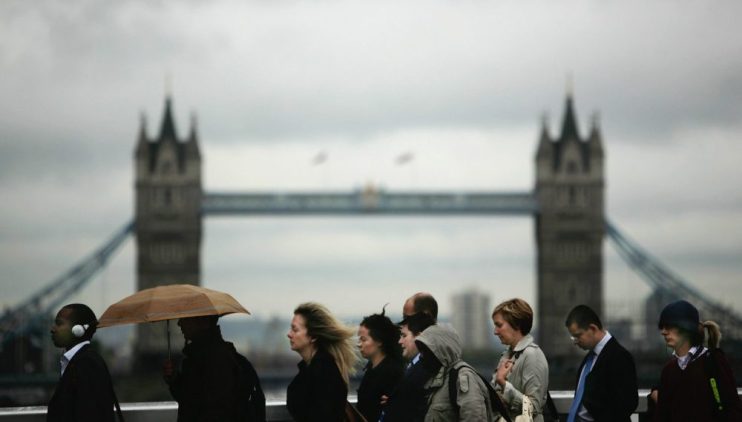
If the immigration system remains as it is, the UK will be closed for business, writes London Chamber of Commerce & Industry chair Julia Onslow Cole
Immigration is doubtless one of the key battlegrounds on which the upcoming general election will be fought. The combination of record levels of net migration – which according to official figures reached 672,000 in the year to June 2023 – and the prominence of the Prime Minister’s Rwanda plan has put immigration at the top of the political agenda. Given this, it is understandable that wider public salience of the issue is higher than it’s been at any time since the 2016 referendum on Britain’s membership of the EU. But if we continue to allow immigration policy to simply be a political football, we are all set to lose. It’s time for politicians to engage with British business and break the cycle of politics as usual.
At a recent private roundtable event hosted by the London Chamber of Commerce & Industry and the international law firm Fragomen, we tried to lay the foundations for a sensible policy reset on immigration. Bringing together business leaders from a wide range of sectors across London, we put the concerns of the capital’s business community to Stephen Kinnock MP, shadow minister for immigration. Doing so provided an opportunity to discuss the current shortcoming of, and potential solutions to, the UK’s immigration system.
As a global city, London’s success is built on its openness, diversity and quality of its talent pool. Businesses know that in London they can access an unrivalled reserve of talent, perspectives, experiences, qualifications, technical know-how and languages. Restricting businesses from accessing the best global talent is not only bad for individual firms, it is a blow to the UK’s economy and our future prosperity.
From a business perspective, the UK’s immigration system is simply not fit for purpose. Post-Brexit liberalisations have been clawed back through the government’s five-point plan to reduce immigration, announced in December last year. The effect has been that access to overseas labour is now exclusively through an immigration system which is increasingly anti-business, and anti-growth.
London and the UK’s global competitiveness is underpinned by its ability to attract high-skilled and entrepreneurial talent from around the world. These groups are required to build the industries of the future, drive innovation and provide long-term equitable economic growth. Looking abroad, the UK’s peers and competitors are introducing migration policies to drive productivity growth, with a strategic focus on attracting talent in sectors like frontier technology, where competition is most severe.
With forecasts of a global human talent shortage of 85m expected by 2030, London’s ability to compete on the international stage is being compromised by a system that has shown itself to be the most expensive, yet inflexible and unresponsive. What we need is an immigration system that is built to intelligently and dispassionately balance the economy’s need for cutting-edge skills and talent with cohesive, well-run and adequately resourced communities. As discussions in our roundtable this week illustrated, finding this balance is a major policy undertaking. Getting it right is far from easy, but to set ourselves on the right path, there are two major shortcomings that Britain’s leaders must address.
First, the cost and burden of the current UK immigration system makes it one of the most onerous and expensive in the world. While a system that operates efficiently does not come without a cost, a system that is clunky, slow, opaque and ineffectual should not also be eye-wateringly expensive. For the cost of the current system to be justified, greater flexibility, transparency and efficiency must be introduced.
Second, the very structures by which the immigration system is currently organised need an overhaul. There needs to be greater choice of visa categories as the current range and criteria that apply do not map onto what is needed to secure London’s growth prospects. The solution is a comprehensive review of existing routes alongside businesses with the relevant sectoral knowledge to establish key occupation shortages.
Above all, businesses need greater engagement from the government. For nearly a decade, the policy concerns of business have been ignored by the government, as expedient politics have crowded out the sensible policymaking required to deliver a more prosperous future for Britain. Nowhere is this more true than on immigration. Policy decisions appear to be made on the hoof with little or no consultation with businesses and without reference to existing policy direction. This exacerbates a sense of uncertainty, hardly a conducive environment for long-term planning and investment.
With immigration policy set to remain a major issue in the run up to the general election, it is critical that the voice of business is reflected in policymaking. If Britain is truly open for business, we need an agile immigration system which shows that the UK is more welcoming and attractive than its competitors. Only then will we be able to address the critical workforce gaps that weigh on the UK’s economic growth prospects and global competitiveness.
Julia Onslow-Cole is chair of the London Chamber of Commerce & Industry and partner at Fragomen