This pandemic has not spared our children — we face a youth mental health catastrophe

The coronavirus crisis has changed us all.
Whether through bereavement, job losses, isolation, or drastic changes to work and schooling, 2020 has radically altered the world as we know it.
We are yet to know how long we will have to live with Covid-19 — the government oscillates between telling us things will be back to normal by Christmas and urging us to prepare for social distancing and mask use to continue for the at least the next year — or what the lasting implications on our society will be.
What we do know is that the impact on the most vulnerable will be severe — and that doesn’t just mean the elderly and those with clinical conditions. As a nation, we need to consider the mounting concerns over the psychological impact the pandemic is having on our children.
The narrative is that children have generally been spared by this pandemic, as the virus has a far lower mortality rate for the young. This simply is not the case. A cascade of new reports detail rising rates of depression, anxiety and PTSD among young people, with more than a third of children battling the mental health issues caused by isolation or loneliness. Parents across the country are reporting a shift in their children’s behaviour, and more than half are now concerned about their wellbeing.
This new data is fuelling concerns that the coronavirus fallout could spark the biggest mental health crisis for children in a generation.
With death toll statistics still dominating the headlines, support systems closed, and many children lacking the routine and socialisation of school or nursery, the pandemic is taking its toll on our young people.
Childline — the country’s best-known service for child support — has been inundated with calls since lockdown began, with youngsters reporting that they are feeling low, unhappy and overwhelmed, and more recently detailing the anxiety they feel as we look to come out of lockdown.
Shockingly, children have until recently been largely omitted from wider government considerations on Covid-19’s impact. Conversations were focused primarily around shielding high-risk groups, and the assumption has been that because children are not physically susceptible to coronavirus complications, they should not be classified as vulnerable.
With lockdown proving to be the perfect storm for the deterioration of mental health in children, this oversight could be a blunder we pay for long into the future.
The emotional wellbeing of our children is just as important as their physical health. It is what helps them develop resilience to cope with whatever life throws at them and grow into well rounded, healthy adults.
It is therefore vital that drastic measures are taken to relieve the psychological burden of the pandemic on our youth.
As we begin to navigate the transition back into “the new normal”, even the most resilient of children are going to need additional help. This should include plans to provide adequate and appropriate support in both education and health, with an emphasis on the identification of trauma and vulnerability. Parents are doing all they can to address children’s anxiety, fear of germs, and worry about loved ones becoming ill, but with such radical changes to every aspect of normal life, it should be top of the government’s agenda too.
This is particularly important for children from deprived or vulnerable backgrounds and the hundreds of thousands acting as young carers for family members with disabilities. With the closure of many support services, they have faced particularly high levels of physical and emotional pressure over the past few months.
When it comes to younger children, even short-term disruptions to education and socialisation can be experienced in a similar way to bereavement. Overnight, millions of children lost access to their friends and social support systems, and may well have been too young to fully understand why.
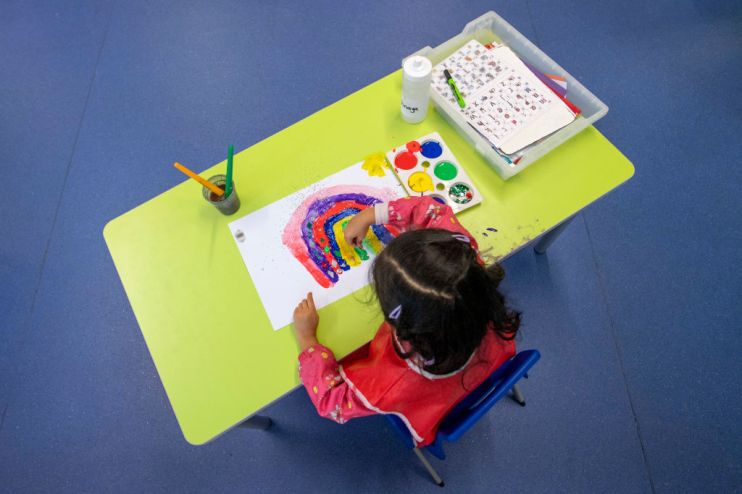
My advice to parents as an early learning practitioner would be to look out for red flags of distress, such as irritability, disrupted sleep or reports of headaches or stomach aches. When attempting to homeschool, try to design pressure-free multi-sensory activities that will keep your child engaged and soothed rather than replicating formal school lessons. Children particularly value time spent outside, as well as creative activities with no agenda such as painting. These sorts of activities will also provide an open forum for children to communicate about how they feel.
Of course, every child is different and their capacity to cope will vary greatly. But with mental health issues already affecting one in 10 children prior to the outbreak, we cannot afford to let the situation escalate. Generation Covid has already suffered immensely. We need to focus on ensuring they have the emotional strength and self-regulation they need to cope with the pandemic and build the skills to grow.
Their routines have been shaken, socialising restricted, and home environments transformed — the last few months have been turbulent to say the least, and ordinarily, we would have no difficulty acknowledging the risk to their mental being. It is a national scandal that this has been ignored for so long.
Main image credit: Getty