UK insolvency rules are trapping firms between Scylla and Charybdis

Employment laws such as TUPE are disincentivising rescues of UK companies in irony worthy of the Greeks, writes Stephen Phillips
Every effort is made to ensure Oedipus, the son of the Theban King and Queen, does not fulfil his fate, which is to kill his father and marry his mother. He is given away as a baby after the Oracles predict his destiny. The irony is that it’s the effort to avoid Oedipus’ fate which precipitates the tragedy – giving him away means he doesn’t recognise his parents.
In an irony redolent of a Greek tragedy, employment legislation intended to preserve jobs has often inadvertently resulted in job destruction.
TUPE and the insolvency irony
The Transfer of Undertakings (Protection of Employment) Regulations (TUPE) is designed to safeguard employees during business transfers. Employee contracts are not terminated when a TUPE transfer occurs. Instead, employees transfer from an outgoing employer to an incoming employer. The employees transfer by law when an “economic entity”, meaning an organised grouping of resources with the objective of pursuing an economic activity, transfers. There are no bright line tests as to what constitutes a TUPE transfer.
The implications of TUPE can differ depending on whether the insolvency is terminal or not. Employees’ liabilities generally do not transfer to the purchaser in a liquidation, which is a terminal procedure. By contrast when insolvency proceedings are non-terminal, (such as an administration) and a business is transferred, employees transfer automatically.
If a company is facing financial difficulties a UK administrator often sells the assets in a quick ‘prepacked sale’. This allows for the management to undertake much of the preparatory work for a sale of a business quietly without the adverse publicity of an insolvency process. Often a pre-pack sale leads to a transfer of much or all the business, and TUPE will apply. TUPE means the purchaser becomes responsible for a raft of employee liabilities some of which are uncapped which have accrued prior to the sale.
Business purchasers often reduce their bids in anticipation that they will need to pay for employee costs, which means secured creditors, such as banks, are worse off. Banks prioritise maximising their recovery and place less emphasis on whether employees remain employed. Accordingly, bidders who want to buy the business (who must factor in employee claims in their bid costs) may be at a disadvantage over those who wish to cherry-pick a few assets who aren’t at risk of employee claims. TUPE liability may stop a bidder from bidding or make them bid for less of the business (insisting that employees are made redundant) to prove the business has not transferred.
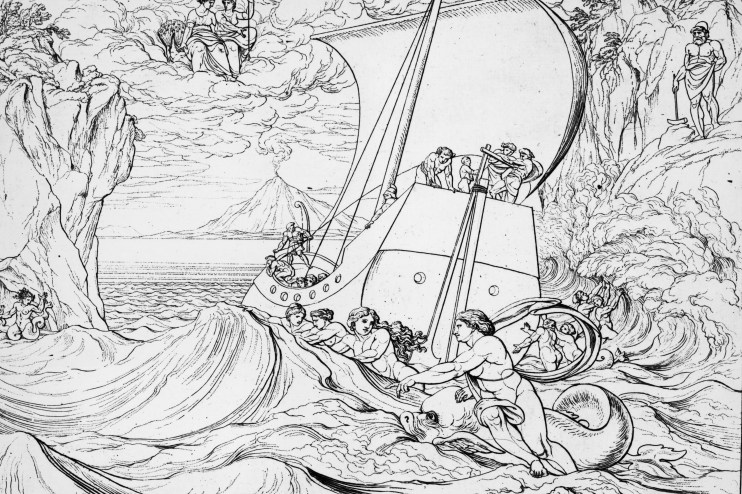
Stuck between Scylla and Charybdis
Acquirers are placed between Scylla and Charybdis – if the acquirer decides to carry on with the employees of the old employer this is a significant factor which would suggest that the business has continued and thus TUPE applies. If, by contrast, the acquirer believes TUPE does not apply (because they believe they are not buying the business and the employees are made redundant) but they get the assessment wrong and it is determined by a tribunal that TUPE in fact applies, they have the liability relating to employees without the benefit of the employees.
While TUPE’s goals are commendable, the above dynamics often scare off acquirers who may not have time to understand the liabilities and thus it disincentivises rescues.
When it comes to the termination of jobs and the eventual destruction of a business in distress, the line from Oedipus comes to mind: Shall I be the one who is called a murderer? I am afraid the answer, as far as TUPE is concerned, is often yes.
Stephen Phillips is the owner of Freilibertas Law, a law firm specialising in financial restructuring and insolvency and is the presenter of The Turnaround Podcast