Use windfall tax to improve energy efficiency of British homes, argues climate charity Ashden


The government should funnel revenues from its recently unveiled windfall tax into making the UK’s housing stock more energy efficient, argued Cara Jenkinson, Cities Manager for climate solutions charity Ashden.
She told Morning Wire that the Energy Profits Levy – which is expected to provide £5bn this year to help fund the Chancellor’s £15bn support package for households – could be used to fund a retrofit revolution in the UK.
The windfall tax combined with shifting current subsidies earned by the North Sea oil and gas industry could help finance key improvements to the country’s housing stock, and drive down bills for everyone.
Since 2015, Ashden has reported that the North Sea oil and gas sector has scooped up £13.6bn in taxpayer support to continue operator, funds that Jenkinson believes could be better spent in the future.
Jenkinson said: “Had this money been invested in retrofit, subsidies that the government is now giving to each and every householder would have been lower. So re-direct current subsidies from oil and gas, and also invest some of the future windfall taxes (there will be some!) into retrofit.
This follows warnings from Ofgem that the consumer price cap could rise to £2,800 per year this October, putting more pressure on households amid soaring mortgage rates and skyrocketing food and petrol prices.
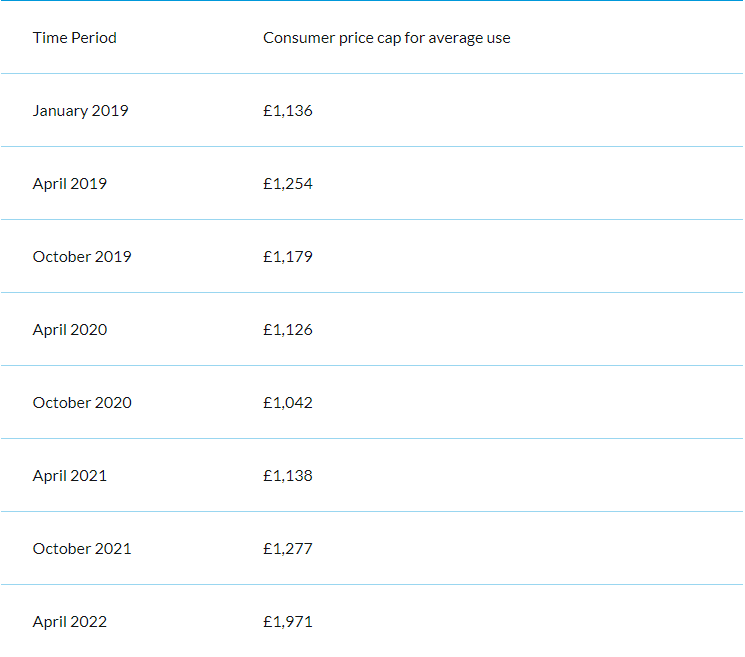
Jenkinson argued that higher energy bills for consumers have been exacerbated by poor energy efficiency across the country’s housing stock, and that the subsequent size of the government’s financial support was worsened by the slowing rate of insulation over the past decade.
The lack of insulation has required households to use more energy amid spiralling wholesale costs than they might have needed to do in more efficient buildings.
Jenkinson said: “The Government is having to pay out more now to reduce the impact of high energy bills (£400 per householder, more for fuel poor) because the rate of home insulation dramatically slowed after 2010.”
Meanwhile the lack of focus on retrofitting old houses has also led to a skills shortage in the industry – making a future ramp up of energy efficiency more difficult to achieve.
She explained: “By not funding the sector over the last 10 years, we have missed an opportunity to skill up the supply chain – now there is a real shortage of skilled installers to do the work.”
Efficiency plans can drive down energy bills
Earlier this week, Jenkinson wrote and published a report – Creating Warmer Homes – on behalf of the charity – calling for a nationwide upgrade of the UK’s housing stock to be carried out at “lightning speed” to ease the cost of living crisis facing consumers
The report described retrofitting as a “triple win” that could reduce fuel poverty, cut emissions and boost local employment in its latest policy briefing aimed at both local authorities and the Government.
This includes insulating lofts, floors cavity walls, and external walls, while also double and triple glazing windows – which would heavily cut down consumer energy usage and drive bills down.
The UK’s housing stock remains among the most energy inefficient in Europe, with 80-85 per cent of today’s homes expected to still be standing in 2050.
Jenkinson outlined that British houses are responsible for 35 per cent of country’s energy usage, and emit 20 per cent of the UK’s carbon dioxide emissions.
Alarmingly, 48 per cent of fuel-poor homes fall below the recommended government energy efficiency standard – EPC ‘C’ – and the most poorly performing homes, which are rated EPC ‘G’ use three times as much energy as the best-performing, according to the government’s annual fuel poverty statistics.
Ashden has calculated the costs for such upgrades in the country’s older houses from the 1940s to be around £12,000 per home, and has called for this to be supported through both private sector and public funding.