You Meta believe it: we need to figure out how to regulate the metaverse before we’re inside it

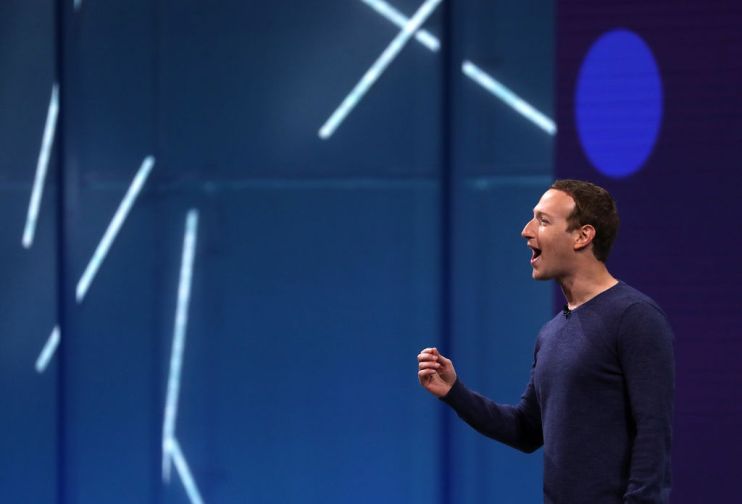
The metaverse has been on everyone’s lips after Mark Zuckerberg announced the rebranding of Facebook, now made fresh into Meta. “All of our products, including our apps, now share a new vision: to help bring the metaverse to life”, said Zuckerberg in his melodramatic Founder’s letter. Almost two weeks have gone by since the announcement, and yet there isn’t much clarity about what the metaverse could actually look like outside of techie circles.
Few are better placed to understand this brave new world being crafted by Zuckerberg than Brad Oberwager. He’s the executive chairman of Linden Lab, the company that created Second Life, a virtual univee – although it’s a comparison he’s keen to steer clear of. For Oberwager, Second Life is not a game but “an augmentation of physical lives”.
According to the early adopter of a meta world, it will enable individuals to be exposed “to an endless world of new ideas, experiences, people, and creativity – all without the constraints of geographic boundaries”. What goes unsaid is the rest of the threats they could be exposed to such as privacy concerns or online abuse.
In theory, the metaverse will enable an inclusive, equitable and quintessentially beneficial development in our life. For example, Second Life enabled physically-disabled users to experience a sense of embodiment, or about couples whose avatars have met in the virtual universe and who have then got together in real life.
The metaverse will have much in common with Second Life, but will bring the dystopian apparatus of digital interactions to the next level. It won’t be about having a second identity online, but about transferring our real identity into the digital world. Andrew Douthwaite is the chief operating officer of the metaverse division at consultancy agency Dubit. “The future prospect is having an online presence for everyone connected to the digital world. Access could come from mobiles, TVs, VR headsets”, he succinctly puts it. You could wear a VR headset and access the full spectrum of the metaverse’s sensory experiences, while still being able to virtually hang out with your friends who are accessing it from their mobiles.
So here’s Zuckerberg’s dream, served on a silver platter: rendezvous and work meetings all online, economic exchanges taking place through crypto, NFTs instead of oil paintings. This sounds fascinating, mesmerising or disturbing, depending on your taste. But whatever you think, this experimental virtual world will need to be somehow regulated. Writing in Morning Wire today, Nicola Mendelsohn, the Vice President of Meta’s global business group, stresses the tech titans want to work with policy makers to build this new world “responsibly”. But can they, if we haven’t even figured out how to wrestle with their first platforms?
Andrew Frank, tech analyst at Gartner, says the unresolved governance and content moderation questions haunting social media will “only be amplified in the metaverse”. Metaverse regulation should be in the hands of an external governmental body who can wrap their heads around it: “The problem is that the government is absolutely not there yet in terms of digital resources and understanding”.
This is a problem taking shape now, not five or ten years away. The metaverse will have huge implications for privacy and data protection. There is already very little in our lives that doesn’t produce data but we can still spend some quality moments offline, however, for instance leaving phone and card at home and going to the restaurant with cash. “Tech giants have decided to try and fill this gap with the metaverse, making all our life an enterprise in data production. In the metaverse every relationship is online and controllable”, says Maurizio Borghi, an Intellectual Property expert at Bournemouth University.
The problem of hate speech and disturbing content isn’t going away either. The “proto metaverse” found on platforms such as Second Life or on streaming services like Twitch is a case in point. Omar Akhtar, Research Director at Altimeter, says that gaming environments are “rife with sexism and racism and threats of harassment against women”. He thinks that’s likely to carry over into the metaverse.
As with real life, the metaverse will create a new hierarchy of winners and losers.
It might make those sniffing new opportunities and willing to take the risk wealthier through cryptocurrency. It might connect people from all walks of life that would have otherwise never met. But it could also become a very polarised and abusive place. If we ever are to move most of our interactions online, we should learn from the mistakes that were made with social media. The metaverse isn’t here yet and won’t be for some time but we need to learn from the opportunities we missed in the early years of social media. Thinking about how we regulate something so rife with potential and risks is not precaution but a necessity.