We’re all to blame for shortages and roaring inflation
A large chunk of people seem to be experiencing buyers’ remorse. Whether it was cocktail making kits, hot tubs or garden furniture, the British consumer hoarded and hoarded during lockdown, and many of us are regretting those purchases.
But, people should not feel alone in making these bizarre purchases.
The pandemic enforced a seismic shift in spending habits. As people were confined to their homes, they filled their time with buying things.
The great demand recalibration was driven by services being unavailable. Spending on pints was slashed. Spending on theatre tickets was slashed. Spending on haircuts was slashed, not because people did not want those things, but because they could not access them.
The Institute for Fiscal Studies estimates purchases of services fell 30 per cent during the pandemic-induced recession, compared with a decline of just four per cent after the financial crisis.
An initial upsurge in spending after restrictions were lifted in July on everything consumers missed out on during lockdowns indicated the influence the virus exerted on consumption decisions would disappear reasonably quickly.
However, demand for goods still remains above its pre-Covid trend.
This is not an issue isolated to Britain’s shores. Consumers in developed countries are much hungrier for goods. The experience economy is struggling to excite people.
These changes in spending patterns have boosted businesses that make things. But, high demand for goods has put supply chains under intense pressure.
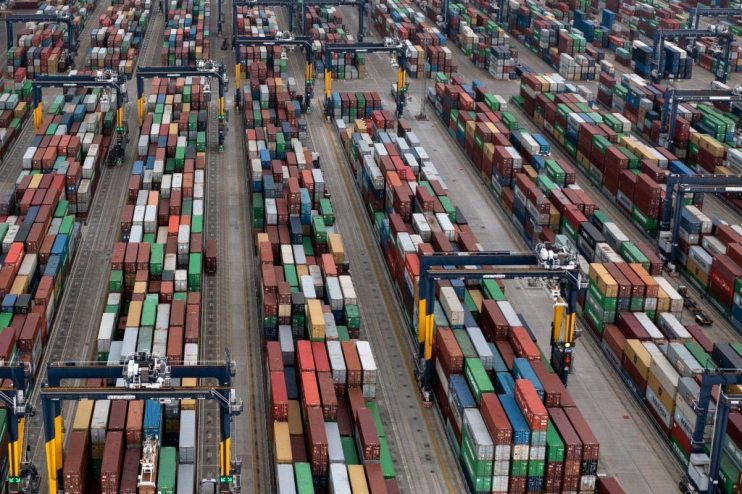
The world’s shipping arteries have ground to a halt as ports struggle to scale capacity quickly enough in response to red hot demand.
Shipping is an industry that operates on an enormous scale, meaning it is often lacklustre to respond to jolts in demand. Weak flexibility and reliance on just-in-time supply chains has led to shipping cycles snarling up.
Robust demand for goods has been compounded by ports in Asia shuttering immediately to quash Covid-19 outbreaks; a scarcity of lorry drivers leading to long delays in moving containers and swelling administrative burdens making trade between Britain and the EU lumpy.
These headwinds have combined to produce a deadly mixture for global supply chains that has blown flows of goods around the world off course.
The length of time it takes to ship products from Shanghai to Europe rose over 30 per cent over the last year alone.
What does this all mean? Shortages and inflation. Several retailers have sounded the alarm over low stock levels over the Christmas period. Online electronics retailer AO World recently told markets it is suffering from “meaningful supply chain challenges with poor availability in certain categories, particularly in our newer products where we have less scale.”
Rising shipping costs are attacking firms’ margins which – if rates do not pull back soon – will incentivise them to rein in loss-making services, shrinking choices for consumers.
In response to higher costs, retailers are hiking prices at the fastest pace since 1990, according to the Confederation of British Industry. Meanwhile, the emergence of the Omicron variant has increased the likelihood of supply chains remaining gummed up for a while yet.
Demand for goods could surge even further due to consumers shunning in person services activities to avoid catching the new strain.
“A deteriorating pandemic outlook could once again increase the demand for goods and put more pressure on supply chains in the short-term,” economists at KPMG said. Elevated infection rates in Asia as Omicron spreads may increase the frequency of port and factory closures in China and elsewhere.
More information on the severity of Omicron needs to emerge before its impact on the global economy can be pinned down. But, this new strain seems almost certain to push back any normalisation in spending patterns.