Skip to content
Thursday 27 August 2026London --:--Frankfurt --:--Zurich --:--
NewslettersSearchEN · DE · FR
MorningWire

European business, markets and politics

FTSE 100
10,792.54
-0.79%
DAX
26,367.24
+0.31%
CAC 40
8,319.87
-1.68%
STOXX 50
6,424.73
-0.71%
  • Europe
  • Markets
  • Business
  • Economy
  • Regulation
  • Politics
  • Opinion
More
GermanyFranceEU InstitutionsCompetitionPublic AffairsBankingTechnologyEnergy
  • Germany
  • France
  • Europe
  • Markets
  • Business
  • Economy
  • Regulation
  • Politics
  • Opinion
  • DE
Thursday 11 November 2021 8:09 am

What everyone warned for is now a fact: Supply chain woes are slowing UK economic growth

By: Michiel Willems

Add as a preferred source on Google

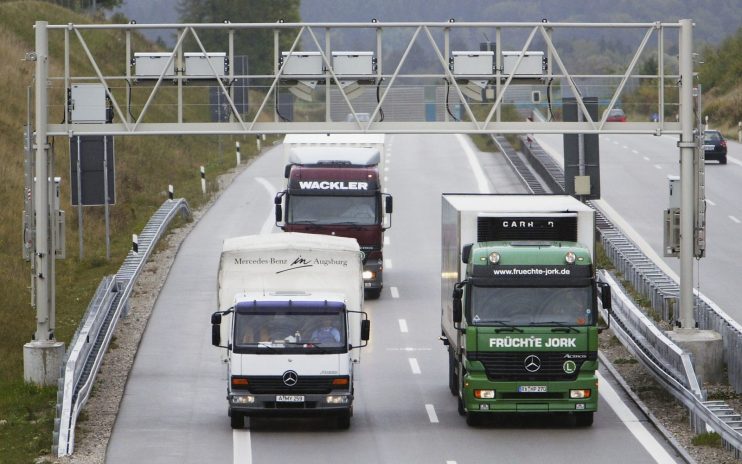
The ONS said this morning that UK economic growth slowed sharply between July and September. The official figures show this is largely due to the ongoing supply chain problems.

The economy expanded by 1.3 per cent between July and September, down from growth of 5.5 per cent in the previous three months.

The ONS said growth picked up in September to a better-than-expected 0.6 per cent but revisions showed the performance was worse than first thought in July and August, with signs the global supply chain issues were taking their toll.

Data showed a 0.2 per cent contraction in July, against the 0.1 per cent fall previously estimated, while August showed growth of 0.2 per cent, against the 0.4 per cent initial reading.

Car sales tumble

Car sales, in particular, have been hit by a shortage of semiconductor chips, while construction projects were delayed amid difficulties in getting materials, according to the ONS.

The third-quarter result means the economy is now 2.1 per cent below where it was before the pandemic struck. On a month-by-month basis, the economy in September was 0.6% below pre-pandemic levels seen in February 2020.

The ONS said gross domestic product (GDP) in September was buoyed by the health sector, with trips to the doctor increasing ahead of the start of flu season and as Britons returned to offices and schools reopened.

Grant Fitzner, chief economist at the ONS, said: “Growth picked up in September and the UK economy is now only slightly below pre-pandemic levels.

“This latest increase was led by the health sector, boosted by more visits to GP surgeries in England. Lawyers also had a busy month as house-buyers rushed to complete purchases before the end of the stamp duty holiday,” he said.

“However, these were partially offset by falls in both the manufacture and sale of cars.

Read more

Healey oversees unexpected rise in borrowing in first month as Chancellor 

Man in suit and red tie speaking at a podium to an audience in a modern building.

“Notably, business investment remained well down on pre-pandemic levels in the three months to September.”

The slowdown in third-quarter growth comes after the Bank of England held off from raising interest rates last week despite soaring inflation.

It wanted to see how the jobs market and wider economy was holding up after the end of furlough and due to the supply problems before increasing rates from 0.1 per cent.

The Bank had expected growth to slow to 1.5 per cent in the third quarter and forecasts it will pull back further to 1 per cent in the final three months of 2021.

The growth slowdown raises the threat of so-called stagflation – slowing growth combined with rising inflation – as the cost of living rockets higher with soaring energy and fuel costs adding to price increases due to supply issues.

The Bank has warned that inflation will jump from 3.1 per cent to 4.5 per cent by November and hit around 5% next April, the highest level for a decade.

The latest ONS figures show further evidence of supply chain strain on the UK economy, with car production, renting and leasing hit by the shortage of new cars throughout the quarter, while construction was also knocked in July and August.

Overall, growth in the trade and repair of motor vehicles sector was down 13.7 per cent in September, compared with pre-pandemic levels in February.

The figures also revealed a 2.9 per cent jump in fuel sales by volume in September amid panic-buying on forecourts caused by some petrol station closures due to driver shortages.

The sector-by-sector breakdown for the third quarter showed services output rose 1.6% between July and September, down from 6.5 per cent in the second quarter, while manufacturing saw a 0.3 per cent decline with a 1.5 per cent contraction in the construction industry.

Read more

Manufacturers overcome gloomy economy as output surge continues

Manufacturing sector faces mounting tribunal pressures amid economic uncertainty

Share this article

  • Facebook
  • X
  • LinkedIn
  • WhatsApp
  • Email

Similarly tagged content:

Sections

  • News
  • Jobs and Money

Categories

  • Business
  • Economics

Trending Articles

  • Pensioners to hand over bank statements in government benefits crackdown

  • Andy Burnham hints at tax rises in Autumn Budget

  • Brewdog founder James Watt hits out at ‘total silence’ over new venture

  • Lloyds Bank and Halifax users unable to use app in latest outage

  • Economists urge Bank of England to halt bond sales as borrowing costs climb

More from Morning Wire

  • Healey oversees unexpected rise in borrowing in first month as Chancellor 

    Economics
    Man in suit and red tie speaking at a podium to an audience in a modern building.
  • Manufacturers overcome gloomy economy as output surge continues

    Industrials
    Manufacturing sector faces mounting tribunal pressures amid economic uncertainty
  • UK economy’s rebound fails to stem two years of mass job losses 

    Economics
    LONDON, UNITED KINGDOM - JANUARY 31: The Shard is seen on the horizon as commuters cross London Bridge during the morning rush hour on January 31, 2023 in London, United Kingdom. The IMF reports that the UK economy will contract by 0.6% in 2023, as opposed to the previous prediction it might grow, and will perform worse than many other advanced economies, including Russia.The cost of living continues to hit households with grocery inflation for the first four weeks of 2023 rising to 16.7% which would add a further £788 per year to family food bills. (Photo by Leon Neal/Getty Images)
  • Soaring energy bills set to fuel inflation spike

    Economics
    Smartphone displaying an energy bill notification with British coins and a banknote nearby.
  • Picky Brits: Heatwave fuels surge in finger food spending

    Retail
    Tesco quiche, cured meats, olives, and dip on a wooden board, ready for a party or meal.
  • Inflation leaps to 2.9 per cent in blow to Burnham 

    Economics
    Burnham cityscape showcasing modern architecture, bustling streets, and vibrant community life in a thriving urban setting
  • Domino’s battles for slice of fried chicken market as revenue jumps

    Retail
    Dominos chicken pesto pizza, sliced, with red onion, bell peppers, and melted cheese on a dark background.
  • UK economy to ‘reverse gains’ as construction drags growth

    Economics
    Retail sales slowed in September
MorningWire

Independent European business, markets and political news for decision-makers.

Morning Briefing

Europe

  • Germany
  • France
  • EU Institutions
  • Europe

Business

  • Markets
  • Business
  • Economy
  • Regulation
  • Competition
  • Public Affairs

Editorial

  • Opinion
  • Editorial Policy
  • Corrections
  • Contact

Company

  • About Morning Wire
  • Privacy Policy
  • Terms of Use
  • Cookie Policy
© 2026 Morning Wire Ltd · Published by Morning Wire Media, Bahnhofstrasse 65, 8001 Zürich, Switzerland
Privacy · Terms · Cookies · Facebook