Tax hikes on the cards as Rachel Reeves tries to save her fiscal rules

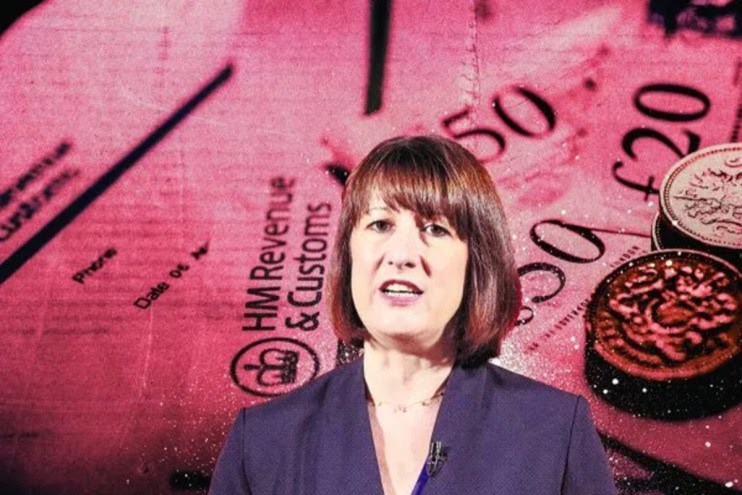
“Public services now need to live within their means,” Rachel Reeves told a room full of business leaders at the CBI’s annual summit in November, “because I’m really clear, I’m not coming back with more borrowing or more taxes.”
The Chancellor’s comments were designed to strike a reassuring tone to the private sector and settle nerves after weeks of fury following her maiden Budget in October.
Bosses had been left bruised and seething by more than £40bn of charges which fell squarely on their shoulders and those of the wealthy – this despite a months-long charm offensive on executives in the run up to the election.
Just weeks later, however, and that tone had changed again. Reeves repeatedly failed to repeat the comments in the House of Commons later that month and said only the government will “never have to repeat a Budget like that because we won’t ever have to clear up the mess of the previous government ever again.”
Keir Starmer himself appeared to row back from Reeves’s comments when questioned by Tory leader Kemi Badenoch, saying he was “not going to write the next five years of Budgets here at this despatch box”.
Now, Reeves and Starmer appear to be staring that reality in the face. Analysts believe soaring gilt yields will have all but wiped out the £9.9bn of fiscal headroom Reeves gave herself at the Budget.
The Treasury has been clear that she will stick to a “non-negotiable”, and self-imposed, fiscal rule that government spending will be matched by tax receipts. If she is found to have breached the rule, she will be left with little choice but to find the money elsewhere, meaning further tax hikes could be on the way.
After alienating swathes of its business backers, and still restrained by the straitjacket of a pledge not to hike taxes on “working people”, the government will have limited options on the table to raise money.
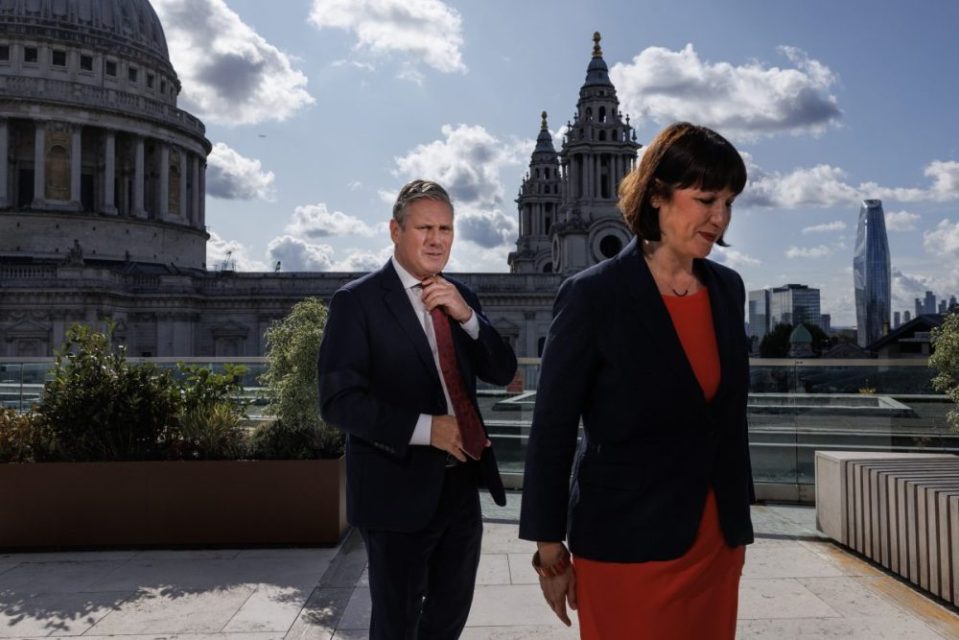
So which taxes could the Chancellor actually raise?
The “working people” commitment means Starmer and Reeves have ruled out tweaks to some 46 per cent of the government’s total tax base, stemming from income tax, national insurance tax for employees and Value Added Tax (VAT).
A separate pledge to rule out raising corporation tax above its current level of 25 per cent means a further eight per cent of tax receipts will be held at their current level.
Cumulatively, the Chancellor has therefore ruled out playing with 54 per cent of the tax base.
According to Capital Economics analyst Ashley Webb, Reeves has five key options at her disposal.
1. Raise the taxes she hasn’t ruled out
Among the levies that Reeves has not ruled out are further hikes to the rate of capital gains tax, alcohol and tobacco duties, air passenger duties or vehicle excise duty.
Although the government ruled out a “mansion tax” in the run up to the election, a further lever could be lifting the rate of stamp duty and council tax on expensive and second homes, Webb says.
However, all would likely have bruising political consequences. Reeves already triggered fury in the run up to the Budget on rumours the capital gains tax rate could be lifted beyond 30 per cent. Investors argued it would erode the incentive to invest in Britain. Lifting a charge on second homes further may also lead to accusations of Reeves targeting the aspirational and wealthy.
And as Webb points out, tweaking these taxes “would provide only marginal extra revenue”. When combined, they make up just 11 per cent of total tax receipts.
2. Tweak existing policies
A further option could be tweaking existing tax relief on areas like ISAs and pensions, including cutting the amount of tax-relief on pension contributions for high earners or scrapping the lifetime ISA.
However, such a move is likely to raise concerns that the UK is fuelling its own investment malaise. Spurring a wave of funding into British companies has been a key goal of the City reform agenda, and dissuading investment from pension pots is likely to spark unease.
Another option would be for the government to extend the freeze in personal income tax thresholds from 2027/28 to 2029/30, Webb adds.
3. Widen the next of existing taxes
Reeves may also be tempted to broaden the scope of existing levies like VAT. This is already a strategy she has turned to with the move to charge VAT on private school fees from the start of this year.
Such a strategy could be expanded by introducing VAT on products and services that are currently exempt. The dangers of this are well proven, however.
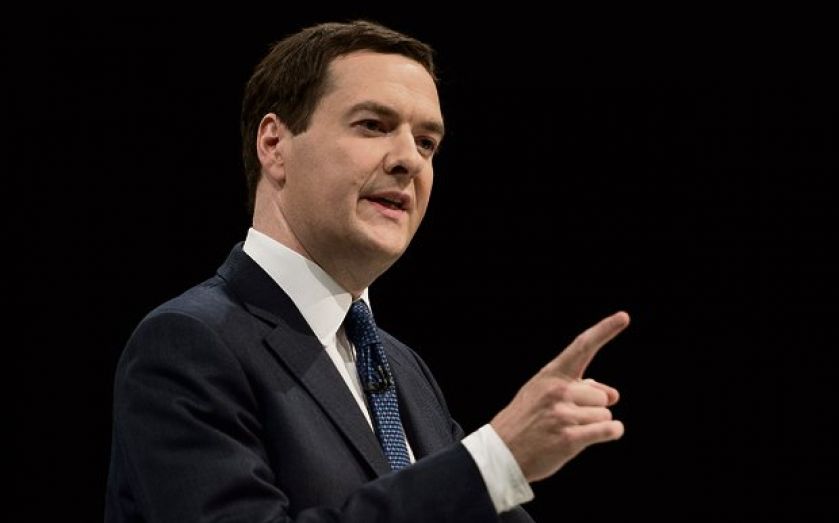
“The ‘pasty tax’ debacle in 2012, when the then Chancellor George Osborne raised VAT on ‘hot takeaway food’ before quickly reversing it, suggests this could be difficult to do,” Webb says.
“Another option could be expanding the base on which national insurance tax is charged, for example by including investment income in addition to earned income.”
4. Create new tax bases
The biggest low hanging fruit for the Chancellor, says Webb, is to stop paying interest on the £710bn of central bank reserves held by commercial banks at the Bank of England.
Reeves has previously said that she has no plans to do this. But if interest payments, which are linked to Bank Rate, were suspended on all reserves, that could save the government as much as £34bn a year, according to Capital Economics.
Any potential boost could be curtailed by the expectation of a rate loosening cycle this year, however. If the base rate is cut to 3.5 per cent next year and the Bank of England continues to reduce the amount of reserves by selling its gilt holdings as part of a programme of quantitative tightening, perhaps to around £500-550bn by the end of 2026, the potential tax-take may be reduced to around £20bn a year, Webb says.
“Moreover, to maintain its ability to use Bank Rate as a monetary policy tool, the Bank of England would probably introduce tiered reserve remuneration rather than paying no interest at all, which would further reduce the potential tax revenue,” he adds. “Even so, this would still be a chunky source of revenue for the government. As this would effectively be a tax on banks, though, at the margin it may weigh on the supply of credit.”
5. The nuclear option: hike taxes on working people
Critics of the government say it has already broken a manifesto pledge after hiking national insurance contributions for employers, despite saying it would not change the levy in its manifesto.
However, breaking its pledge not to change income tax, VAT or national insurance contributions from employees would present entirely new challenges politically for the government.
Even so, small tweaks to these charges could raise big sums. A one percentage point rise in each would raise £9bn, £7.3bn and £4.7bn respectively by 2026/27, by Capital Economics’s calculations.
Whether Reeves sees the situation as desperate as that however, is yet to be seen.