Whinging car giants are giving business a bad name

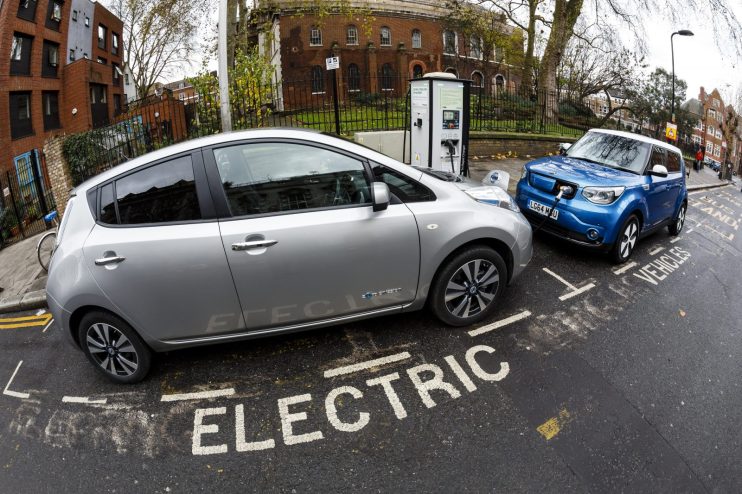
News broke last week that the UK government is reportedly planning to ban sales of new petrol and diesel cars from 2030.
As night follows day came the inevitable howls from the car industry. It’s not possible. It’s all too quick. Our societies are not ready for it.
And on it goes.
The reality is the car industry has had plenty of warning that the standard internal combustion engine was destined for the dustbin of history. Toyota started producing hybrid engines in 1997. Tesla was founded in 2003. Out of nothing, with no existing infrastructure or corporate heft, it is now the leading electric vehicle producer. The world said it couldn’t be done. It could.
Ah, say critics, but electric is not viable for certain types of vehicles like HGVs. Yet EV manufacturers are starting to produce these also. Again, it turns out that it could be done after all.
The car manufacturing giants had ample chance to anticipate these trends and adapt early. Instead, German car producers chose to commit widespread fraud by installing defeat devices in their diesel engines to mask emissions. Others just chose to stick with what they knew. They lobbied hard to dilute any regulations that placed limits on the vast clouds of pollution emitted by their products and the consequent damage to people’s health and the environment.
One has to wonder why none of the deep-pocketed manufacturers ever attempted to acquire Tesla. Head in the sand? Arrogance? Maybe it’s just as well. An acquisition may have been used to slow down or kill the technology in favour of continued production of machines of pollution.
Given all of that, the current wails of anguish should be treated with the disdain they deserve. By 2030, more than enough EVs will be readily available from some manufacturers. That others, through their own inaction over decades, will be left behind should be of no concern to anyone except their own employees, who now have to bear the consequences of management’s inaction.
The only real issue to be resolved is that of charging infrastructure and the demands it will make on the electricity supply. The UK already has a pretty widespread charging infrastructure — a quick online search throws up endless maps of charging stations across the whole country. Many companies, not least oil giants like Shell, are investing to beef it up further. The grid has been preparing for this surge in demand for some time.
The electric vehicle revolution is well underway. It was always going to happen. All that the outrage from the car manufacturing industry will achieve is further damage to the reputations of the companies involved, and of business in general.
The above chain of events — corporations that drag their feet adapting to positive change while trying their best to slow down or kill government intervention with threats of job losses and economic catastrophe — has been standard practice for as long as anyone can remember. It does not do the credibility of business with governments or the general population any good.
If this trend continues, we may well reach a stage where any statement from businesses or their representatives will be greeted with nothing more than a dismissive shrug.
That would not be a good development. Business input is an essential component of good governance. It has the potential to help us all. But that relationship only works if businesses can look at the big picture from the perspective of creating overall social and economic value, rather than spending oodles of money on lobbying for what is utterly transparent narrow self-interest and resistance to positive change.
It would be a shame if business incumbents continued to undercut their own credibility, and their influence, by failing to step up.
Before the last election, I attended a dinner at which senior businesspeople were lamenting the fact that none of the political parties had come out with unequivocal support for business as a force for good. Is anyone surprised?
Main image credit: Getty