Aid, not deterrence, is the answer to Britain’s immigration problem

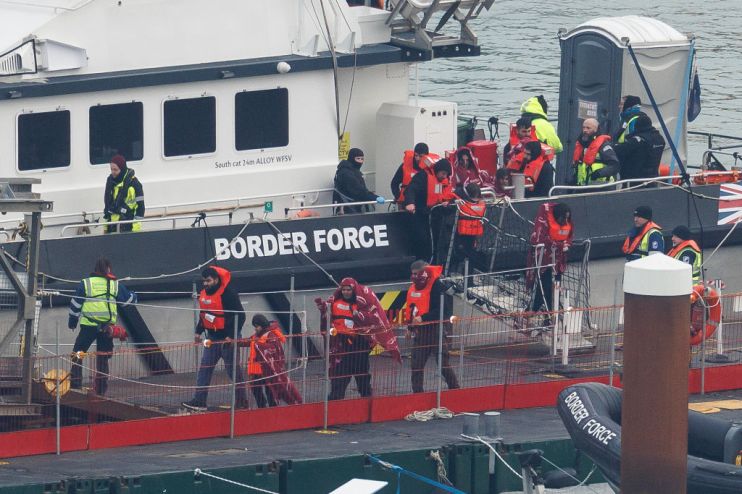
By treating the problem at the source, aid can be the answer to the UK’s immigration crisis, writes Ryan Henson
The UK public have welcomed Ukrainian refugees into their homes and communities. Those fleeing political persecution in Hong Kong and Afghanistan have also been accepted warmly. This illustrates the generous instincts of our country and a commitment to being a burden-sharing nation that does our bit for those in desperate need.
But opinion polling also indicates that large numbers are anxious about the rise in irregular migration and what small boat crossings mean for UK sovereignty, law and order and strained public services. This is hardly surprising when scenes of disorder and chaos play out on beaches in the Southeast, and when the cost of accommodating those seeking asylum enters public discourse. Many have concluded that the system is rigged; that there is a significant minority which seeks to take advantage of our compassion and public services, at the expense of those already struggling to make ends meet.
European governments have responded to increases in irregular migration by trying to deter those making the crossings. This reaction is understandable given the clear signal from most voters that a robust and stringent border policy matters to them enormously. But while deterrence may yet prove to be the most important part of the solution, to sustainably reduce irregular migration over time, it cannot be the only response. The UK can help lead Europe by being more strategic, and tackling some of the causes of irregular migration, at their source.
Marshall Aid in the 1940s and the Ebola Crisis ten years ago both demonstrated how the UK is at its most effective on the world stage when our international development policy works in tandem with our broader foreign, trade and defence objectives, and in support of the national interest. The implications of that could not be clearer in the context of irregular migration.
Irregular migration has all the hallmarks of what Sir David Omand, the former director of GCHQ, has termed a ‘slow-burn problem’. These are deep-rooted and devilishly hard to respond to, yet they are far less attention grabbing than the short-term crises they cause. If the UK and our European allies are serious about tackling the challenge of irregular migration, there needs to be a renewed focus on the slow-burn, deep-rooted problems that drive it. An effective and well-funded international development strategy, as set out by Andrew Mitchell, the minister for Africa, last year, can help mitigate against push factors like climate change, conflict and a lack of economic opportunity which cause people to leave their homes and pursue irregular means for doing so.
The UK has done this before, with initiatives such as the Jordan Compact in 2016 looking to build tailored partnerships while helping to manage the challenge of irregular migration long before it reaches British shores.
In return for grants, loans, and preferential trade agreements with European nations, Jordan committed to improving access to education and legal employment for its Syrian refugees. The Compact showed that international organisations and host governments, supported by strategic and well-funded international development budgets, can open a restrictive policy environment to benefit both the innocent victims of conflict and European governments grappling with domestic challenges.
In the example of Jordan, the alternative to the Compact may well have been suffering on an industrial scale, with hundreds of thousands of refugees seeking dangerous passage to Europe and the UK.
Through development work, the UK can help address some of the push factors that cause people to leave their homes, in a way that helps tackle these challenges at the source. By doing so, we can help reduce the incentive for people to leave their places of origin and relieve some of the pressure on asylum systems in Europe. The outcome could help deliver a system that serves the interests of those who believe they have no choice but to flee to safer nations, while reassuring European electorates that the recent rise in irregular migration need not be inexorable.