Skip to content
Monday 10 August 2026London --:--Frankfurt --:--Zurich --:--
NewslettersSearchEN · DE
MorningWire

European business, markets and politics

FTSE 100
10,901.09
+0.31%
DAX
26,319.45
0.00%
CAC 40
8,714.93
0.00%
STOXX 50
6,523.86
0.00%
  • Europe
  • Markets
  • Business
  • Economy
  • Technology
  • Politics
  • Opinion
More
GermanyFranceBankingAIEnergyFintechPropertyCapital Markets
  • Germany
  • France
  • Europe
  • Markets
  • Business
  • Economy
  • Technology
  • Politics
  • Opinion
  • DE
Tuesday 11 March 2014 8:40 am

Why the Bank of England needs to stop deleting historical records

By: Peter Spence

Add as a preferred source on Google

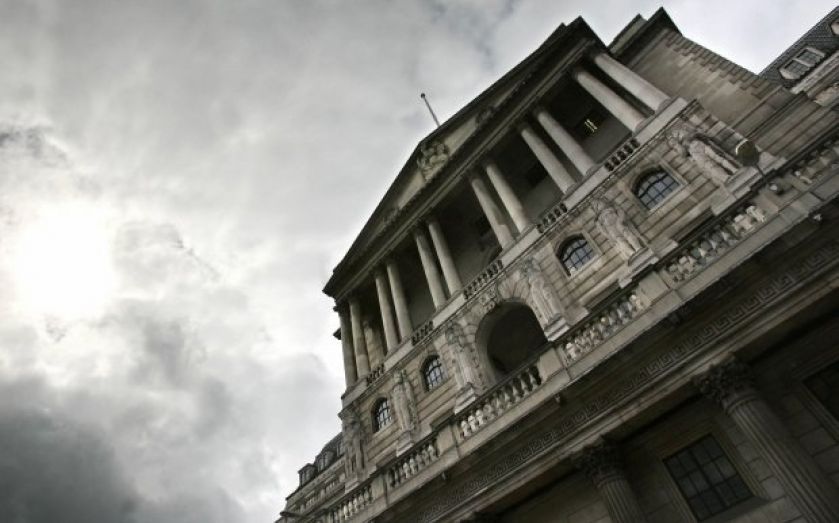
A policy of deleting historical records at the Bank of England has come under fire, as individuals voice concerns about the implication for transparency.

The tapes of policy setting meetings are routinely deleted – the transcripts destroyed once minutes are agreed upon. Today, Treasury Select Committee chairman Andrew Tyrie has asked for the Bank of England to reconsider that policy.

Uniquely opaque

There's an inconsistency here with other public sector documents, such as Cabinet minutes, which must be released under the 30-year rule. If Monetary Policy Committee (MPC) discussions are of a sensitive nature, surely the same also applies for the meetings of senior politicians.

And elsewhere, the practice of releasing transcripts is now well established.

The US Federal Reserve began releasing minutes after then chairman of the House banking Committee, Henry Gonzalez, demanded their publication in 1993. Since then, they've been published with some time delay.

February saw the release of Fed minutes from the 2008 financial crash. Information that has proved useful to economic historians and modern economists alike.

And the Bank of Japan publishes its transcripts with a 10 year delay. Only the European Central Bank is more opaque among large central banks, electing to release summary minutes a staggering 30 years after meetings take place.

In transparency terms, looks like ECB < BoE < BoJ < Fed

— Mike Bird (@Birdyword) March 11, 2014

Bank motivations

As the Financial Times' Chris Giles has highlighted, the MPC has become increasingly monotone in public since Mark Carney's arrival. Speeches reveal less debate than they had previously, while minutes don't give a full picture of the varying viewpoints.

It may be favourable to the Bank to delete historical records – especially when members disagree – but the general silencing of disagreements gives a false impression of ongoing debates at the Bank.

Former Bank of England staffer Tony Yates points out that an incentive exists "to communicate that everything is going to work out fine on the MPC, and all jobs being done well."

That paints a picture of unity that may not exist, as well as clouding understanding of how policy is set. A transparent central bank would adopt a policy of releasing transcripts with a delay.

Share this article

  • Facebook
  • X
  • LinkedIn
  • WhatsApp
  • Email

Similarly tagged content:

Sections

  • Opinion

Categories

  • Opinion

Related Topics

  • Bank of England

Trending Articles

  • Thames Water faces fresh threat to survival after pensions regulation breach

  • Back to basics: Sainsbury’s gradual retreat from the British high street

  • PwC’s Embankment HQ to get major makeover ahead of Canary Wharf move

  • Hargreaves Lansdown orders staff back to office

  • A tribute to wine legend Matthew Jukes by his friend Libby Brodie

More from Morning Wire

  • Bank of England holds interest rates but warns of rises to come

    Economics
    Bank of England headquarters in 2025, showcasing modern architecture and iconic London skyline in the background.
  • Bank of England to hold interest rates as oil price surge threatens UK economy

    Economics
    Bank of England building on Threadneedle Street, London, showcasing its historic architecture and financial significance
  • Bank of England may set the stage for interest rate hikes this year

    Economics
    Bank of England recession warning
  • Bank of England to relax capital rules despite warning of economic threats

    Banking
    Bank of England building on Threadneedle Street, London, showcasing its historic architecture and financial significance
  • Healey faces £24bn spending squeeze as inflation puts tax rises in play

    Economics
    Bank of England headquarters in 2025, showcasing modern architecture and iconic London skyline in the background.
  • Hold interest rates but ‘sound hawkish’, Morning Wire Shadow MPC tells Bank of England

    Economics
    Andrew Bailey, Governor of the Bank of England, with the Bank of England building and Union Jack flag in the background
  • ‘Door is open’ to interest rate hike as inflation fears return

    Economics
    Bank of England headquarters in 2025, showcasing modern architecture and iconic London skyline in the background.
  • How patient can the Bank of England be?

    AD
    Historic Royal Exchange building in London with modern skyscrapers behind, clear blue sky.
MorningWire

Independent European business, markets and political news for decision-makers.

Morning Briefing

Europe

  • Germany
  • France
  • Europe
  • UK & Ireland

Business

  • Markets
  • Banking
  • Technology
  • Energy
  • Property
  • Fintech

Editorial

  • Opinion
  • Editorial Policy
  • Corrections
  • Contact

Company

  • About Morning Wire
  • Privacy Policy
  • Terms of Use
  • Cookie Policy
© 2026 Morning Wire Ltd · Published by Morning Wire Media, Bahnhofstrasse 65, 8001 Zürich, Switzerland
Privacy · Terms · Cookies · Facebook