Skip to content
Thursday 27 August 2026London --:--Frankfurt --:--Zurich --:--
NewslettersSearchEN · DE · FR
MorningWire

European business, markets and politics

FTSE 100
10,792.54
-0.79%
DAX
26,367.24
+0.31%
CAC 40
8,319.87
-1.68%
STOXX 50
6,424.73
-0.71%
  • Europe
  • Markets
  • Business
  • Economy
  • Regulation
  • Politics
  • Opinion
More
GermanyFranceEU InstitutionsCompetitionPublic AffairsBankingTechnologyEnergy
  • Germany
  • France
  • Europe
  • Markets
  • Business
  • Economy
  • Regulation
  • Politics
  • Opinion
  • DE
Thursday 25 February 2016 8:44 am

Why firms need to plan ahead to limit damage by association, as the BBC may have found out with Jeremy Clarkson

By: Hayley Kirton

Add as a preferred source on Google

The career-ending and potentially life-threatening injuries suffered by celebrities taking part in The Jump recently has raised some questions around whether the continuation of the TV series is in good taste.

If the broadcaster were forced to cut short the production, lucrative advertising and sponsorship deals could be left exposed, not to mention committed production costs. If the show is commissioned for another series, a number of interested brands and sponsors may pull out to limit damage to their reputation by association.

Celebrity endorsements can do wonders for a brand but a highly publicised fall from grace can expose businesses to unwanted publicity and possibly result in lost revenue.

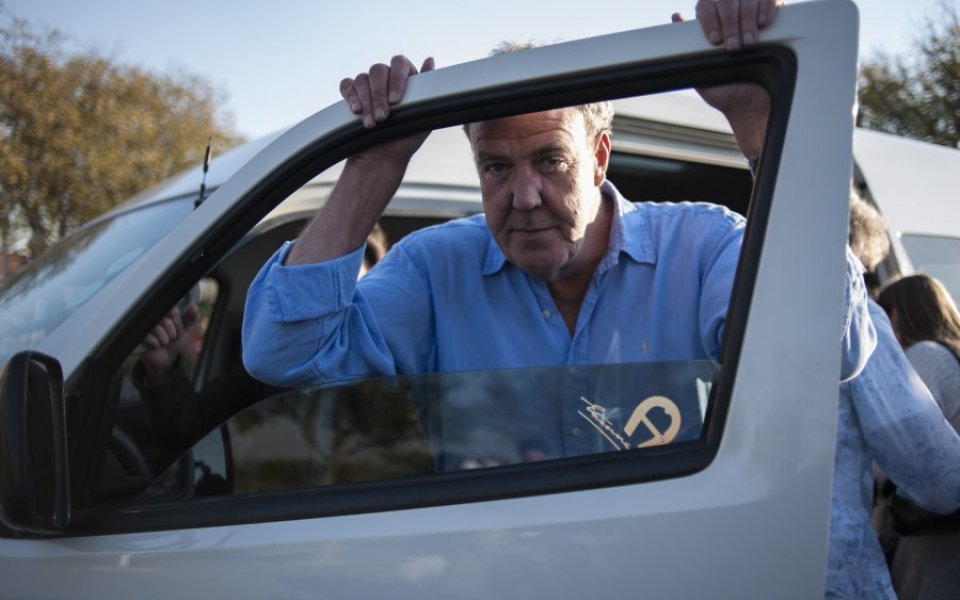
Recent examples of this include the decision the BBC made regarding Jeremy Clarkson. We have also seen Adidas terminate its contract with Adam Johnson, the former Sunderland footballer, following his ongoing trial in court for alleged sexual offences.

By using tailored disgrace insurance, broadcasters, advertisers and sponsors engaging with personalities can mitigate their financial exposure. These policies are designed to insure against the loss of revenue and expenses when an individual goes rogue or is involved in incidents judged to be in bad taste. The allegations surrounding Bill Cosby, for example, has led to almost every single network cancelling programmes featuring the comedian.

When it comes to TV advertising, this type of insurance is essential to protect sizeable investments over a very limited period. Celebrities are likely to have behavioural clauses within their contracts, not unlike codes of conduct within employment contracts. If the conduct of a celebrity breaches the clause, there may well be a personal liability claim for the policyholder to pursue. This may not be enough to protect a major brand from loss of production costs in addition to artist fees, airtime, and other associated consequential costs but will help cushion the blow.

Increasingly enquiries are coming from outside of the TV advertising industry as brands, studios, broadcasters and sponsors want to effectively capture their commercial risks that traditional insurance policies are simply not designed to.

Furthermore, with the rise of social media, insuring intangible assets from reputational damage has become a board room issue for almost every business. Social media platforms allow one misjudged comment to prompt a national, even international uproar; the ability of the general public to influence the behaviour of broadcasters, sponsors and brands cannot be ignored. 

Share this article

  • Facebook
  • X
  • LinkedIn
  • WhatsApp
  • Email

Similarly tagged content:

Sections

  • News

Categories

  • Business
  • Media

Trending Articles

  • Jamie Carragher: HMRC petitions for Sky Sports star to be declared bankrupt

  • Andy Burnham hints at tax rises in Autumn Budget

  • Brewdog founder James Watt hits out at ‘total silence’ over new venture

  • Lloyds Bank and Halifax users unable to use app in latest outage

  • Economists urge Bank of England to halt bond sales as borrowing costs climb

More from Morning Wire

  • BBC to broadcast Alexis Ohanian co-founded all-female athletics series Athlos

    Sport Business
    Keely Hodgkinson waves to the crowd at a track and field event, wearing a purple and black athletic top.
  • The BBC shouldn’t push Londoners to accept antisocial phone behaviour 

    Opinion
    Passengers inside a graffiti-covered London Underground train car, some looking at phones, others observing the interior.
  • Rolls-Royce Spectre Series II review: Driving a Rolls on a racetrack – yes, really…

    Life&Style
    Light blue Rolls-Royce Spectre electric coupe driving fast on a race track under a cloudy sky.
  • Gary Lineker forks out £10k to save England World Cup dream

    Sport Business
    Gary Lineker smiling in a dark suit, white shirt, and navy tie, wearing black-framed glasses.
  • You cannot be serious! Smashed John McEnroe racket set to be sold at auction

    Sport Business
    Vintage wooden Dunlop Maxply Fort tennis racket with broken strings and frame damage
  • Death Note: The Musical review – a high-shine, high school take on the trolley problem

    Life&Style
    Xander Pang Light and the cast of Death Note The Musical on stage with Tokyo cityscape projections
  • Burnham takes on ‘rip-off’ discounts and subscriptions in cost of living push

    Politics
    Andy Burnham, Mayor of Greater Manchester, in a suit and glasses, looking serious against a bright sky.
  • Luton Airport expansion set for take-off after environmental challenge dismissed

    Transport & Infrastructure
    Luton Airport aerial view with planes, runways, and terminal buildings, highlighting busy travel hub operations
MorningWire

Independent European business, markets and political news for decision-makers.

Morning Briefing

Europe

  • Germany
  • France
  • EU Institutions
  • Europe

Business

  • Markets
  • Business
  • Economy
  • Regulation
  • Competition
  • Public Affairs

Editorial

  • Opinion
  • Editorial Policy
  • Corrections
  • Contact

Company

  • About Morning Wire
  • Privacy Policy
  • Terms of Use
  • Cookie Policy
© 2026 Morning Wire Ltd · Published by Morning Wire Media, Bahnhofstrasse 65, 8001 Zürich, Switzerland
Privacy · Terms · Cookies · Facebook