
Why interest rates predictions have suddenly shifted

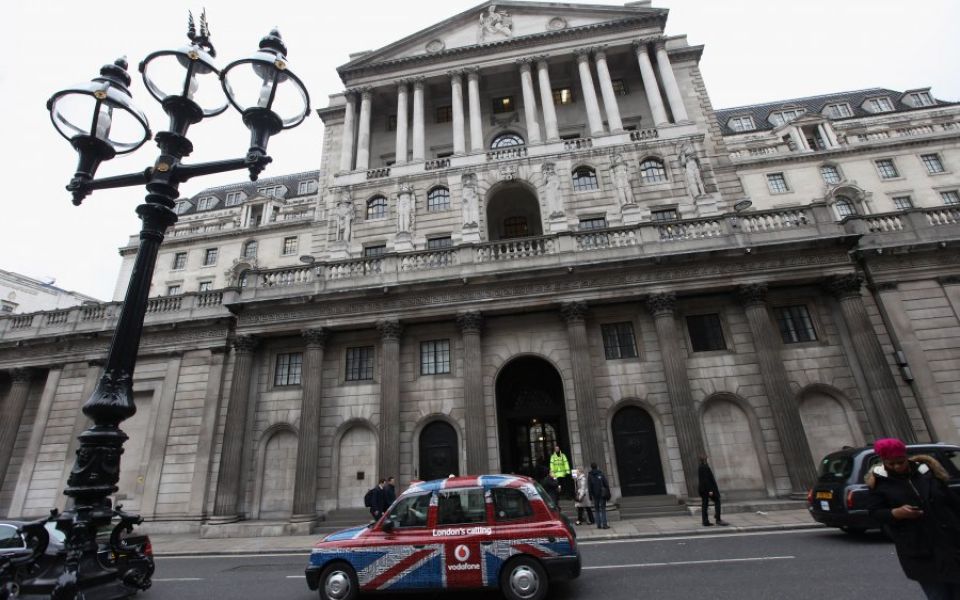
Pressure is building for interest rates to be raised in the UK following a surge in inflation to a five-year high.
Why are there fresh calls for rate rise?
The Bank of England’s monetary policy committee (MPC) is tasked with keeping inflation at around 2% in the years ahead. But the consumer prices index (CPI) climbed to 2.9% in May, up from 1.8% at the start of the year.
The surge in inflation has caught markets by surprise and led to a shift in expectations for rates. Markets, as of 10 July, expected the Bank of England to order the first increase as soon as February 2018.
Only a month earlier, the expectation had been for a delay in raising rates until the summer of 2019.
At the June meeting of the MPC, three of the members voted for a quarter-point rise while five, including Governor Mark Carney, opted for holding the bank rate at 0.25%.
| Rate change | Market expectation |
| Rise to 0.5% | February 2018 |
| Rise to 0.75% | August 2019 |
| Rise to 1.00% | December 2020 |
*Source: Bloomberg. Based on overnight index swaps, implied pricing as of 10/07/2017. The readings are indicative of sentiment and volatile and should not be relied upon as a forecast.
Will more MPC members vote for a rise?
One of those to vote for a rise, Kristin Forbes, has now stepped down. She will be replaced on the committee by Silvana Tenreyro, a professor at the London School of Economics. Her voting intentions are unknown.
Andy Haldane, chief economist at the Bank and an MPC member, voted to hold but has since made comments that could signal a change of heart. He said: "Provided the data are still on track, I do think that beginning the process of withdrawing some of the incremental stimulus provided last August would be prudent moving into the second half of the year.”
Carney’s comments late last month were also seen by markets as a shift in opinion. He said: “Some removal of monetary stimulus is likely to become necessary if the trade-off facing the MPC continues to lessen and the policy decision accordingly becomes more conventional.”
The pound rose from $1.28 to nearly $1.30 when markets digested the governor’s speech (the prospect of higher rates makes the pound more attractive to foreign investors and tends to push it higher).
Why might rates stay on hold?
The MPC faces a dilemma. Inflation is above its target and rising but at the same time, the economy is slowing. The impact of Brexit on the economy is something else for the committee to consider. Inflation has risen as a result of the EU referendum result weakening the pound.
Further out, the Brexit negotiations may weaken confidence and the economy could falter. The fragile state of the UK government, following the general election, might be another consideration.
Some MPC members may regard these risks as being too great and keep voting “hold”.
Ultimately, the question is what will happen to inflation. The Schroders Economics Group forecasts inflation will exceed 3% over the summer before falling back below the 2% target in early 2018.
Schroders UK CPI inflation forecast

Source: Schroders Economics Group. 30 June 2017. The opinions stated include some forecasted views. We believe that we are basing our expectations and beliefs on reasonable assumptions within the bounds of what we currently know. However, there is no guarantee that any forecasts or opinions will be realised.
Azad Zangana, senior European economist and strategist at Schroders, said: “The sharp rise in inflation has coincided with a slowdown in economic growth along with wage growth.
“While jobs are still being created for now, higher inflation has reduced the disposable income of households, and therefore has contributed to the slowdown in spending.
“The Bank of England has to decide whether the inflation the UK is experiencing at present is temporary or permanent.
"For most on the committee, the rise in inflation caused by the depreciation in sterling should be a temporary phenomenon. However, the more hawkish minority of members see a risk that wages could accelerate in response, causing even more inflation in the future.”
When was the last adjustment to interest rates?
In response to the Brexit verdict of last June’s EU referendum, the MPC cut the UK bank rate from 0.50% – its level for more than eight years – to 0.25% in August.
The market expectation after last summer's cut was that rates wouldn’t rise again until 2021, although trading is highly volatile over longer timeframes and shouldn’t be relied upon as guidance.
The chart below captures how long the market expects to wait for a rate rise at various points over the past 18 months.

How would a rate rise affect me?
Mortgages
The bank rate affects wider borrowing costs, but not always directly. Some mortgage deals are linked to the rate and would rise immediately but the standard variable rates, or SVRs, that most borrowers pay are set at discretion of the lender.
The pricing of new fixed mortgage deals is influenced by market expectation. The wholesale cost of five-year fixed-rate money, known as “swaps”, has risen sharply in the past month, up from 0.77% in early June to more than 1% in early July.
Savings
Savings rates are also influenced by the bank rate and should improve if the MPC acts. It would be welcome relief given the average instant access savings account only pays 0.15%, including bonuses, according to Bank of England data. The average account paid 0.45% a year earlier.
For investors, bond prices traditionally suffer when rates rise, or even just on the anticipation of an increase. This is because the fixed payments made by companies – or the UK government – on their bonds is less attractive when investors are being offered improving rates of interest elsewhere. However, it is impossible to forecast future market returns.
Important Information: The views and opinions contained herein are those of Andrew Oxlade, Head of Editorial Content, and may not necessarily represent views expressed or reflected in other Schroders communications, strategies or funds. The sectors and securities shown above are for illustrative purposes only and are not to be considered a recommendation to buy or sell. This material is intended to be for information purposes only and is not intended as promotional material in any respect. The material is not intended as an offer or solicitation for the purchase or sale of any financial instrument. The material is not intended to provide and should not be relied on for accounting, legal or tax advice, or investment recommendations. Reliance should not be placed on the views and information in this document when taking individual investment and/or strategic decisions. Past performance is not a guide to future performance and may not be repeated. The value of investments and the income from them may go down as well as up and investors may not get back the amounts originally invested. All investments involve risks including the risk of possible loss of principal. Information herein is believed to be reliable but Schroders does not warrant its completeness or accuracy. Reliance should not be placed on the views and information in this document when taking individual investment and/or strategic decisions. The opinions in this document include some forecasted views. We believe we are basing our expectations and beliefs on reasonable assumptions within the bounds of what we currently know. However, there is no guarantee than any forecasts or opinions will be realised. These views and opinions may change. Issued by Schroder Investment Management Limited, 31 Gresham Street, London EC2V 7QA. Registration No. 1893220 England. Authorised and regulated by the Financial Conduct Authority.