Why sports districts like Birmingham City’s are the future of stadiums

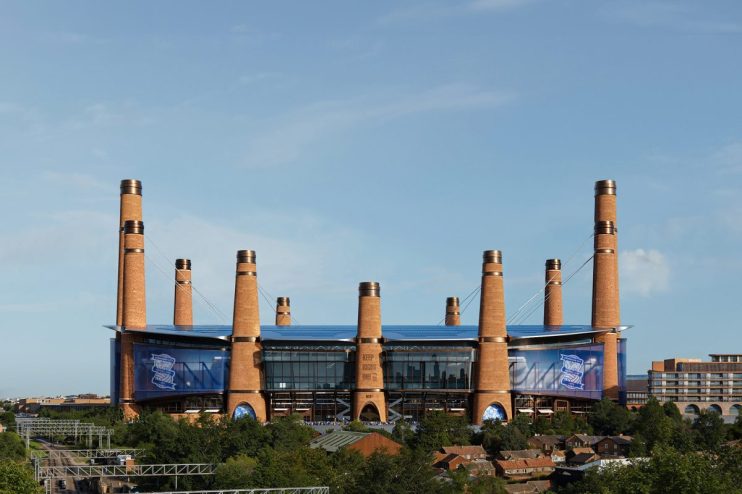
On-pitch glory will always be the ultimate prize, but ambitious sports investors are now looking beyond traditional matchday revenues and exploring ways to diversify income, enabling reinvestment into areas that support on-pitch performance and secure a more robust future.
This strategic shift also recognises that sport, particularly its physical infrastructure, presents a powerful opportunity for financial return and significant societal benefits, driving urban regeneration and community development. Today’s sports venues are transforming from solely game-day destinations into vibrant community hubs, bustling with year-round activity.
The modern stadium is no longer just an arena; it’s the anchor for dynamic mixed-use developments.
Imagine a thriving district in which a state-of-the-art stadium is seamlessly integrated with homes, offices, shops, public spaces and excellent transport links. These ‘sports districts’ are designed to generate revenue every day, not just on matchdays, creating lively, 24/7 destinations that offer lasting value for both communities and investors.
This strategic integration is a game-changer for value creation. By layering diverse revenue streams, from residential rents and commercial leases to retail sales and year-round events, owners can significantly diversify beyond the traditional business model of sports teams.
A multi-faceted approach enhances financial predictability, unlocking long-term value far beyond a stadium dedicated to fixtures for the host team only.
Forward-thinking sports organisations are turning stadium projects from cost centres into powerful value drivers, especially through real estate and hospitality assets that operate outside conventional sports business models.
The economic ripple effect from these mixed-use sports districts is substantial. They are engines for job creation across various sectors, including performance, construction, hospitality, retail, security, and facility management.
Beyond direct employment, these developments attract tourists, who contribute to the local economy through hotel stays and leisure spending, increasing footfall and stimulating broader economic growth. Cities worldwide are competing for talent, tourism and capital, and these ‘work-play-stay’ districts are proving to be major draws.
Man City and Birmingham lead the way
Leading UK examples include Manchester City’s Etihad Campus, which now integrates the state-of-the-art Co-op Live Arena alongside its football facilities, supporting new jobs and creating a vibrant entertainment and leisure destination.
Similarly, the ambitious vision for Birmingham City FC extends beyond the club itself, aiming to regenerate the area in the east of the Midlands city as part of a wider ‘Birmingham Sports Quarter’ concept.
Crucially, these developments deliver tangible benefits for local, regional, and national communities. They act as catalysts for urban regeneration, revitalising underutilised areas and fostering attractive environments for living, working, and socialising.
Many large-scale projects rely on public partnerships and funding, often receiving favourable financing, which increasingly comes with expectations for measurable societal impact.
These multi-purpose stadium districts are uniquely positioned to enhance community resilience through job creation, economic revitalisation, improved housing and a better quality of life. They also offer public programmes, such as free educational initiatives for children, new parks, expanded community spaces and public health events.
As brands increasingly seek to align with positive impact, these initiatives also create new sponsorship opportunities, proving that social and commercial value can go hand-in-hand. By leveraging stadiums on non-sports days, they become year-round community assets and civic destinations, engaging a wider public beyond the core fanbase.
Realising this transformative potential requires a collaborative spirit. The scale and complexity of these projects demand a partnership approach, bringing together private investors with their capital and commercial acumen, public bodies with their strategic planning and regulatory oversight, and government at all levels with its commitment to infrastructure and community welfare.
When these diverse stakeholders align, the impact of sports-led investment can be exponentially elevated, delivering not just world-class sporting venues but also sustainable economic growth and thriving, inclusive communities for generations to come.
Looking ahead, purpose-driven sports venues and districts will become the standard. The future of sports investment isn’t just about winning on the pitch; it’s about securing a win for our cities, measured not only by financial returns but by lasting impact.
Alice John is a director in the Deloitte Sports Business Group.