Will AI change how you watch the Super Bowl?

From AI-generated game stats to augmented reality viewing experiences, technology is changing how we interact with sports, says Nicole Junkermann
On 15 January 1967, when the legendary quarterback Bart Starr made his second touchdown of the match to clinch the game for the Green Bay Packers, America’s first-ever Super Bowl was watched by a stadium only two-thirds full.
Today, the big game is one of the most-watched and influential events worldwide, with an estimated 183m viewers each year, and the way people watch has changed beyond recognition. From simple broadcasts to AI-powered experiences, the evolution over six decades is staggering.
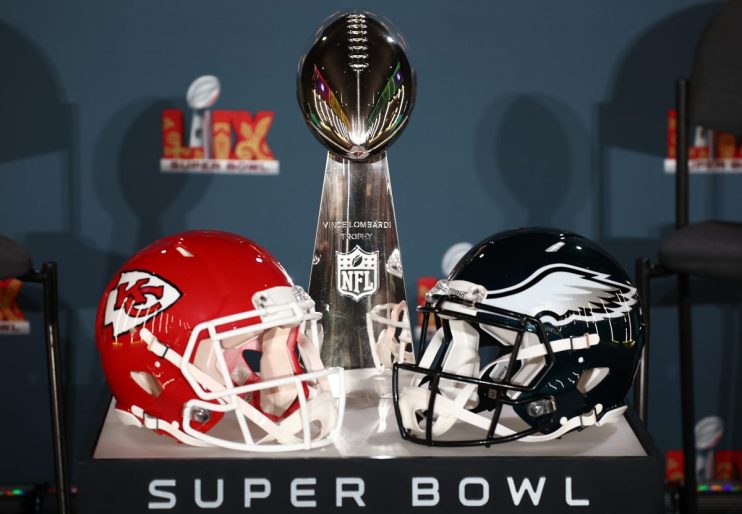
This weekend at Super Bowl LIX, millions of viewers will tune in live, but only 83,000 lucky fans (little more than in 1967) will be at the Caesars Superdome in New Orleans to witness the high-stakes match between the Kansas City Chiefs and Philadelphia Eagles, as well as Kendrick Lamar’s halftime performance.
For those in the stadium, the experience is unparalleled – filled with excitement, glamour, and intimacy. But for the global audience, technology has revolutionised engagement, offering AI-powered insights, augmented reality (AR) and virtual reality (VR).
The NFL leads the charge in media rights, outpacing even the Premier League in TV rights revenue, having negotiated a $110bn deal setting the gold standard for content distribution. Everyone in sports, from football to boxing, is looking to replicate the value it has created through its diverse content distribution and consumer engagement strategies. Merchandise alone is worth $17.3bn.
While AI and VR will never replace the in-stadium spectacle entirely, there are now multiple technologies on offer that give audiences at home the chance to interact directly with the event, providing a more personalised, immersive experience that is beginning to rival the live event itself.
AI platforms such as Next Gen Stats, which provides real-time insights during the Super Bowl, analysing player performance, speed and strategy in milliseconds. Predictive analytics can forecast potential outcomes based on historical data, enhancing the viewing experience for fans and sports bettors alike.
Fantasy sports
The NFL has also experimented with AR overlays, which enhance broadcasts with real-time data and insights, as well as the NFL Pro Era VR game, allowing users to step into the action, strategize plays and compete against real-time opponents.
LA-based Cosm also offers an innovative alternative for those unable to attend in the stadium but still wanting a next-level “immersive” experience. Repurposing planetarium technology, its theatre-style arena delivers the energy of a live game with instant replays and at-seat bar service – providing ‘pitchside’ seats in a stadium that isn’t really a stadium.
Fantasy sports have also become a phenomenon, with a market size valued at $30bn in 2024, projected to reach $67bn by 2033. Fans use personalized stats to build line-ups, seeking a ‘lean-in’ interactive experience rather than passive consumption. AI-driven tools can also generate personalized highlight reels, allowing fans to focus on what matters most to them, whether it’s Mo Salah’s top-ten goals or key game moments. This shift is also driving the development of smaller, tech-enhanced stadiums, where spectators engage with live stats and replays via VR headsets.
As sports consumption moves beyond traditional models, direct-to-consumer platforms emphasize accessibility and interactivity.
However, sports-specific OTT platforms struggle with Gen A (born 2010-2025), the first fully digital generation. They prefer vast scale and variety over niche subscriptions, with Youtube dominating as their go-to for deep analysis and “alt commentary”.
Today’s teens are moving away from juggling multiple subscriptions, as their budgets often don’t align with their varied sports interests. Instead, they prefer a social approach to sports devotion – taking on soccer challenges on Tiktok, immersing themselves in Roblox and Blue Lock, and arguing with fellow fans on platforms like Whatsapp and Discord. This shift underscores why leagues and teams must rethink traditional distribution models and embrace community-driven, interactive content.
On a broader scale, AI and digital media are democratizing sports. Teams like Angel City FC are leading with digital-first strategies and brand storytelling that resonate with modern fans. Athletes such as Megan Rapinoe have become content powerhouses, forging new connections between fans and brands.
Technology may not be disrupting the game; but it is enhancing it
The narrative power of sports stars extends beyond salaries into endorsement deals. British tennis star Emma Raducanu exemplifies this, collaborating with luxury brands like Porsche, Dior, and Tiffany & Co. The intersection of sports and fashion highlights how athletes have become influential brand ambassadors.
The future of sports entertainment hinges on how well the industry adapts to these shifts. Technology may not be disrupting the game; but it is enhancing it. The Super Bowl may have set the blueprint for revenue generation and engagement, but innovation in AI and personalized experiences will define the next era of sports entertainment.
The future of sports isn’t just about how we watch – it’s about how we connect. With technology enhancing human interaction, the next frontier is making fans feel part of the action, whether in the stadium or watching from home.
Nicole Junkermann is a leading entrepreneur turned investor in the sports and technology sectors and founder of the NJF Capital investment group