Windfall tax is a ‘fiscal shock’ to the oil and gas sector, warns industry body in letter to Chancellor

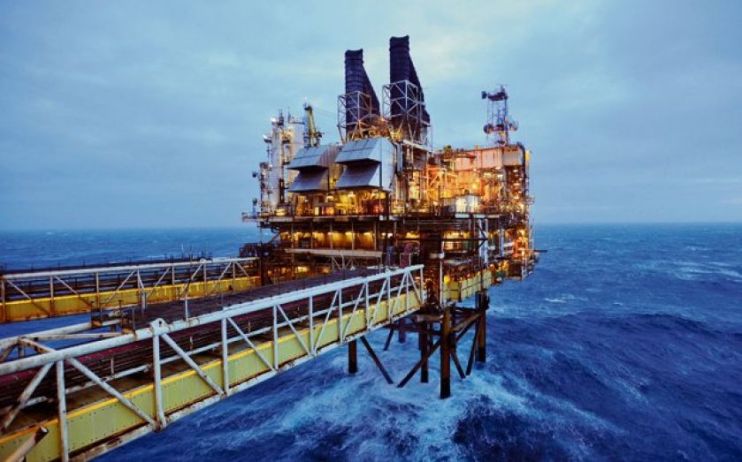
One of the UK’s leading energy bodies has sent a letter to the Chancellor Rishi Sunak, warning the new tax on the profits of North Sea oil and gas operators will do long-term damage to the industry.
In the letter, Offshore Energies UK (OEUK) reaffirmed its view that the Energy Profits Levy would be a fiscal shock for the industry, and hamper investor confidence in the oil and gas sector.
The group warned that the UK faces multiple threats to its energy security this winter such as the depletion of oil and gas fields, escalating conflict in Ukraine, European shortages in gas, limited domestic storage and surging global demand for energy.
It suggested the new tax would exacerbate the issue, deterring crucial investment in the North Sea and damaging oil and gas supply security.
This would not just contribute to supply shortages, but would also undermine the Government’s transition plans for reaching net zero carbon emissions over the coming decades.
OEUK called for guarantees the levy would conclude in 2025 when the sunset clause kicks in, and asked for investment relief retrospectively for suppliers that invested during the pandemic.
The body also suggested the inclusion of a small profits allowance, permitting for a level of earnings not included in the latest tariff.
OEUK Chief Executive Deirdre Michie said: “This is a tough tax for our industry, and it could reduce our ability to invest in the UK’s future energy supplies just as energy security is moving to the heart of national security. Right now, the world is at risk of shortages and price rises that will have huge impacts on consumers and on our economy. So we should be doing all we can to maximise our own supplies, not deterring investment with new taxes.”
Investment relief fails to win over OEUK
The letter follows Sunak hosting peace talks with industry leaders in Aberdeen earlier this week – where the Chancellor failed to appease concerns over the new tax.
The Energy Profits Levy is a 25 per cent tax on the profits of North Sea fossil fuel operators, on top of the 40 per cent special corporation tax rate they already pay.
The Treasury is looking to harness record profits for energy operators amid soaring oil and gas prices, to help tame rising household energy bills and ease the cost-of-living for millions of Brits.
Ofgem boss Jonathan Brearley warned the price cap could rise to £2,800 per year in October, while energy specialist Cornwall Insight has forecast household bills could climb over £3,000 per year in January – when energy demand is at its peak.
OEUK highlighted that the UK gets 75 per cent of its total energy from oil and gas, and the that nation’s operators collectively produce about a third of the nation’s gas and the equivalent of three-quarters of its oil.
Those resources have been a key factor in protecting consumers from the shortages hitting Europe following Russia’s invasion of Ukraine.
However, with production from existing oil and gas fields predicted to dwindle rapidly in the next few years without further investment as they age and become depleted.
This makes continued investment to open new resources is essential simply to maintain flows at around current levels.
The Treasury has included investment relief – up to 91p in the pound – in the levy, meaning that the energy firms will be incentivised to spend and ramp up production.
North Sea oil and gas exploration features in the country’s supply security strategy, and energy giants BP and Shell have pledged to spend £18bn and £25bn over the coming decade in domestic energy projects.
Business Secretary Kwasi Kwarteng told the BEIS select committee today that the levy was not a windfall tax, as it provided such significant incentive to invest.
He explained: “I was against what I would call a ‘vanilla windfall tax’ whereas this Energy Profits Levy (which is improperly called the windfall tax) does have a strong incentive for investment. This is something I was keen to see and I am very pleased the Treasury have built that into the Profits Levy.”
There are growing media reports that the tax could be expanded to electricity generators, however the Business Secretary declined to comment on the issue.
He said: “I don’t have a view on who will be in the scope of the mooted tax. It’s a matter for Treasury. It’s not clear to me whether it will be introduced.”