Windfall taxes, like speeding fines, can’t be a plaster solution for losing tax revenue

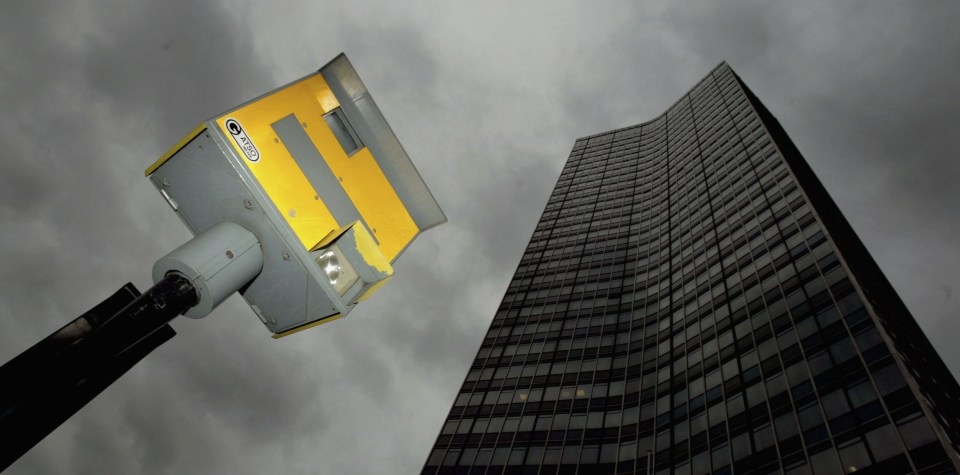
Speeding fines are effectively becoming a tax for councils, a way to raise revenues. But it’s a short-term fix for a long-term problem, exactly like windfall taxes, writes Paul Ormerod
The flashing yellow boxes in the roads of Hammersmith and Fulham have become notorious. On Talgarth Road, a single one alone yields over £3m in fines to the local council.
For motorists, the situation nationwide is about to become even worse. Nearly 30 local authorities have put forward proposals to enforce 111 boxes, under legislation introduced by the government in May last year. If successful, they can issue their own fines, which are up to £160 in London.
The public is invited to believe that such measures are designed purely to improve traffic flow. But it is hard to escape the sneaking feeling that the motives behind them include what is effectively a tax to raise revenue. Drivers already pay nearly £2bn a year in parking charges to local authorities.
In essence, the limits of what we might think of as explicit taxation are being reached. Local councils of whatever political colour are reluctant to raise the level of council tax, a notoriously unpopular levy.
Unlike income tax, which for many people is simply deducted out of earnings before they have received them, paying the council tax involves an explicit deduction from your bank account. So, increasingly, councils rely on alternative, less obvious ways in which to raise revenue.
Reluctance to pay higher taxes is being seen even in countries like Norway, where there is a strong cultural tradition that the better off have a duty to pay more.
Last month, the Norwegian government expressed disappointment that a number of billionaires were moving abroad in response to the increase in the rate of wealth tax from 1 to 1.1 per cent. At least 30 billionaires and multi-millionaires left last year, more than the total over the past decade combined. Their estimated wealth is some 600 billion krone. Just one of the individuals who is leaving will cost around 175 million krone in lost tax revenue.
In the UK, just 1 per cent of those in employment account for around one-third of total receipts from income tax. Of course, most of these 300,000 people will remain in the country, but it doesn’t need many to leave to make a distinct dent in UK revenue.
The downsides of this geographical mobility extend beyond any immediate reduction in tax revenue. The rate of innovation is adversely affected. This is a serious problem at a time when there is an imperative need to raise the rate of growth of productivity.
The former Harvard economist Phillip Aghion is at the forefront of this research. In his recent book “The Power of Creative Destruction”, he cites several papers in top journals which evidence the fact that what he describes as “top quality” inventors are particularly prone to move in the face of high tax rates.
One obvious source of extra revenue is windfall taxes on profits which are deemed to be excessive. This strategy was previously linked with Labour. But in the early 1980s, Margaret Thatcher’s Chancellor, Geoffrey Howe, brought in windfall levies on both banks and North Sea oil companies.
The problem with such taxes is that they are, well, windfall. They are essentially one-offs which apply in special circumstances. World energy prices soar, for example, so energy firm profits rise. But when they come back down, the excess profits disappear.
The temptation for government is to finance permanent commitments from windfall taxes which by definition are temporary.
Everyone wants better public services. But the seemingly trivial yellow box in Talgarth Road shows that people are not really willing to pay much more for them.