Skip to content
Wednesday 19 August 2026London --:--Frankfurt --:--Zurich --:--
NewslettersSearchEN · DE · FR
MorningWire

European business, markets and politics

FTSE 100
10,743.35
+0.14%
DAX
26,091.33
-0.14%
CAC 40
8,501.91
-0.09%
STOXX 50
6,444.46
-0.37%
  • Europe
  • Markets
  • Business
  • Economy
  • Regulation
  • Politics
  • Opinion
More
GermanyFranceEU InstitutionsCompetitionPublic AffairsBankingTechnologyEnergy
  • Germany
  • France
  • Europe
  • Markets
  • Business
  • Economy
  • Regulation
  • Politics
  • Opinion
  • DE
Tuesday 07 April 2026 5:55 am  |  Updated:  Monday 06 April 2026 11:05 am

Woods to McIlroy: How Tiger Slam at Masters reshaped economics of sport

By: Nick Keller

Chairman - Sport Industry Group

Add as a preferred source on Google
Breaking news event scene with diverse crowd, journalists, and cameras capturing the action in a bustling urban setting
How the Tiger Slam and the Masters changed economics of sport

Ahead of the Masters, Nick Keller marks 25 years since Tiger Woods won the Tiger Slam and sports consumption changed forever.

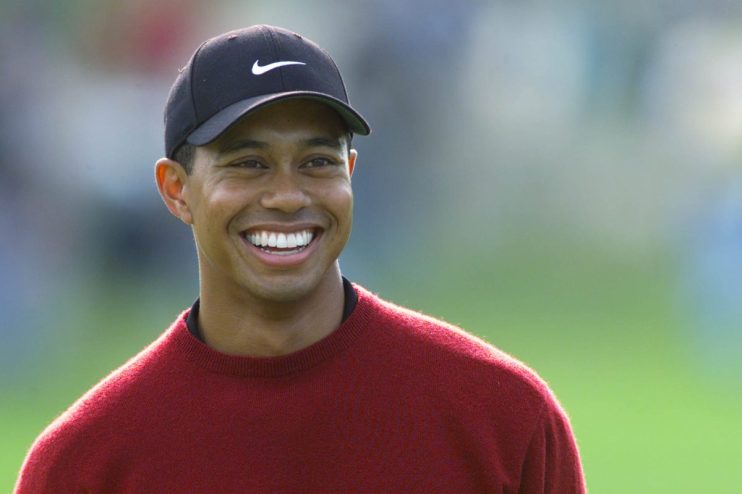
When Tiger Woods completed the ‘Tiger Slam’ in 2001 – holding all four major championships at once – it wasn’t just a sporting achievement. It was a cultural marker for how modern sport would evolve over the next quarter‑century.

Woods redefined what a golfer looked like and, more importantly, what elite performance demanded. Until then, golf at the highest level had not required the same commitment to strength, conditioning and sports science seen in football or athletics. Tiger proved that marginal gains – across fitness, psychology, nutrition and data – could create historic separation from the field.

Masters impact

Culturally, his impact was just as profound. Beyond Arthur Ashe breaking racial barriers in tennis, sport had rarely experienced a moment with such global resonance. Woods was young, multiracial, media‑savvy and compelling. Golf had already been international, but Tiger helped turn it into a truly global, 24/7 broadcast product, accelerating its expansion into Asia and beyond.

In many ways, he foreshadowed the celebrity‑athlete era and ushered in a new age of ultra commercialised sport. The numbers tell the story. In 2001, Michael Schumacher was the highest paid athlete in the world and earned around $59m, while Premier League media rights were worth around £1bn. Fast forward 25 years and we live in a world where Cristiano Ronaldo and LeBron James are billion‑dollar athletes and global Premier League rights have surpassed £13bn for the 2025-29 cycle.

The Tiger Slam era marked a surge in sponsorship values, TV rights and prize money, and demonstrated something fundamental: athletes were no longer just participants in sport, they were brands. Woods showed that a single athlete could reshape the economics of an entire sport, shifting power and value decisively toward individuals.

Athletes have sat at the heart of sport’s growth, converting on‑field success into commercial power and, more recently, direct online influence. Social media has allowed athletes to tell their stories in real time, connecting daily with fans and offering brands unparalleled access to audiences. At the same time, the Tiger era largely celebrated dominance without acknowledging its psychological cost. Today, athletes like Naomi Osaka have reshaped expectations, opening vital conversations about mental health and wellbeing.

Shift in consumption

Recent headlines about Woods’ own personal struggles are not unusual in elite sport. They serve as a reminder that despite professionalism, infrastructure and relentless media coverage, our sporting heroes remain vulnerable, fallible and unpredictable. In an age of technology, data and increasing dehumanisation, sport’s enduring appeal lies in its uncertainty. Upsets still happen. David still beats Goliath. The body, mind and emotions will never provide certainty, and that is precisely why sport remains so compelling, dramatic and immersive.

The last 25 years have also seen fundamental shifts in who sport is for. New formats have emerged, women’s sport has rightly moved from the margins toward the mainstream, and participation and viewership have expanded dramatically. When you double your potential audience, the upside is obvious. Information no longer flows solely from leagues and broadcasters – athletes speak directly, and a growing ecosystem of creators and streamers now provides unfiltered access beyond traditional spin.

Perhaps most importantly, sport has increasingly become part of the solution to wider societal challenges. It can improve physical and mental health, strengthen communities, reduce isolation and create opportunity. The risk, however, is growth driven by scarcity rather than inclusion. As participation and live experiences become more expensive, exclusion carries a real cost to society. Ensuring sport remains accessible must be a collective priority.

Nick Keller is chairman of Sport Industry Group

Read more

BBC to broadcast Alexis Ohanian co-founded all-female athletics series Athlos

Keely Hodgkinson waves to the crowd at a track and field event, wearing a purple and black athletic top.

Share this article

  • Facebook
  • X
  • LinkedIn
  • WhatsApp
  • Email

Similarly tagged content:

Sections

  • Sport
  • News

Categories

  • Sport Business
  • Business
  • Golf
  • Sport Opinion
  • Sport

People & Organisations

  • Cristiano Ronaldo
  • Golf
  • Lebron James
  • Masters
  • Michael Schumacher
  • Rory McIlroy
  • Sport Economics
  • Sport Opinion
  • Tiger Woods

Related Topics

  • Golf
  • Sport Opinion

Trending Articles

  • Jobless Banquet: Youth unemployment surge ‘sends Neets to KFC’

  • As it happened: FTSE 100 drops as oil prices rise after Trump makes Hormuz threat

  • US bond market jitters spark UK economy recession warning

  • Amanda Blanc has worked her magic at Aviva

  • City law firm sues prominent Emirati business family

More from Morning Wire

  • BBC to broadcast Alexis Ohanian co-founded all-female athletics series Athlos

    Sport Business
    Keely Hodgkinson waves to the crowd at a track and field event, wearing a purple and black athletic top.
  • American Express tees up golf’s St Andrews as it expands its sports portfolio

    Sport Business
    Golf course with the Old Course Hotel and town buildings in St Andrews, Scotland, under cloudy skies.
  • Why Raducanu may have harmed Fery’s post-Wimbledon commercial earnings

    Sport Business
    Breaking news event with large crowd gathered at outdoor venue, people holding banners, and speaker addressing audience
  • Four South Korean whiskies to try today

    Whisky
    Rainy night street in Seoul, South Korea, with neon signs, storefronts, and people with umbrellas
  • Sushidog investor pumps seven-figure sum into golf sim brand ahead of Open

    Sport Business
    TeeGo 27 electric scooter launch featuring sleek design and advanced technology in a modern urban setting
  • Sports hospitality has never been this good – but which sport does it best?

    Sponsored
    Last week Guild Esports revealed it only had £25,000 left in its accounts, sending its share price plummeting to a record low
  • What can the Rugby World Cup learn from US nailing of Fifa World Cup?

    Sport Business
    Getty Images logo displayed on a digital screen against a blurred background, highlighting the brands global presence
  • Wimbledon won’t slap sponsor on new show court but eye US growth

    Sport Business
    Wimbledon tennis court with players in action, surrounded by a cheering crowd under clear blue skies
MorningWire

Independent European business, markets and political news for decision-makers.

Morning Briefing

Europe

  • Germany
  • France
  • EU Institutions
  • Europe

Business

  • Markets
  • Business
  • Economy
  • Regulation
  • Competition
  • Public Affairs

Editorial

  • Opinion
  • Editorial Policy
  • Corrections
  • Contact

Company

  • About Morning Wire
  • Privacy Policy
  • Terms of Use
  • Cookie Policy
© 2026 Morning Wire Ltd · Published by Morning Wire Media, Bahnhofstrasse 65, 8001 Zürich, Switzerland
Privacy · Terms · Cookies · Facebook