The global vaping industry risks being choked in a regulatory cloud

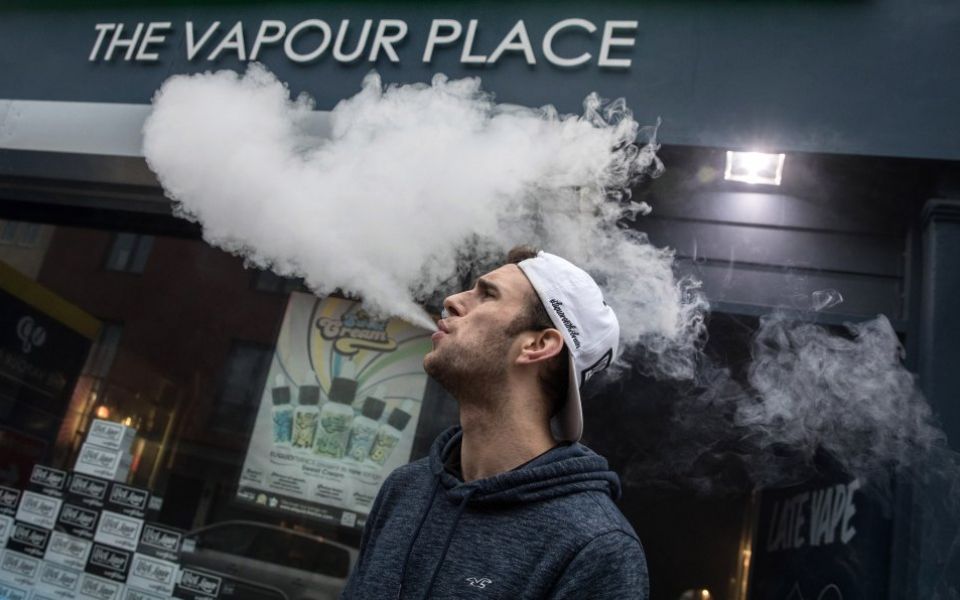
The World Health Organisation (WHO) is meeting in Geneva this week to shape tobacco and vaping regulation over the next five years.
Geneva is a long way from London, and the other side of the world from New Zealand, but vapers worldwide would do well to keep a close eye on these proceedings.
Five years is a long time in tobacco control. In 2013, I had just started vaping and there was essentially no vaping industry in New Zealand. Kiwis had two options: order online from abroad, or from a single expensive local website. Liquid containing nicotine had to be imported from overseas.
Read more: Industry groups call on WHO to change stance on vaping
There were no opportunities to try devices or sample flavours, and no access at all for people without credit cards or internet access.
Today, smokers New Zealand looking to switch to reduced-harm nicotine products can walk into a vape shop and get advice, support, and access to hardware and liquids for the same price as a pack of cigarettes.
It’s important to understand how we got here, because New Zealand didn’t embrace vaping due to government action. There was no permissive legislation or endorsement of vaping. And it certainly wasn’t due to public health initiatives. Vaping grew by word of mouth, by vapers becoming vendors and advocates sharing the life-changing benefits of this technology.
This has been happening all over the world, so why is the outlook particularly positive in New Zealand? I argue that it is actually because our government took no strong action for or against vaping.
When vape shops such as the one I operated started pushing the existing laws by selling e-liquid with nicotine, the authorities noticed but chose not to prosecute and instead to observe.
Public health academics engaged with both vaping advocates and with vendors. Even if we often didn’t agree, we were talking. And then a District Court Judge forced the issue, ruling that the Smoke Free Environments Act was relevant only to smoked and chewed tobacco, not vaping products.
Our government recognised that it could not rely on old laws never intended to address these new products – it is now assessing them based on what they are, not what they resemble.
But we live in a connected world, and most governments are loath to act unilaterally. Politicians look to the rest of the world for guidance. What do they see? Vaping is being banned in many countries. The US and Europe are imposing onerous and costly regulations on the industry. China, the country producing the vast majority of the world’s vaping products, is actively discouraging the take-up of these products by their own citizens.
And most importantly, they see the WHO Framework Convention on Tobacco Control using bad science to push a firm anti-vaping message.
Should the WHO deliver a similar message this week, it is not hard to imagine that it will give pause to policymakers, even those convinced of the benefits of vaping. Why? Because the WHO garners respect that most other parts of the UN no longer do.
This is the organisation that removed smallpox from the planet and has come tantalisingly close to doing the same to polio. Deaths from malaria have halved between 2000 and 2015. These are monumental achievements, worthy of great admiration – but addiction is not a virus that can be vaccinated against.
Thus we and our UK partners, the UK Vaping Industry Association, call on the WHO to heed its own advice and “put people at the centre of change”.
Top-down, globally coordinated campaigns have often been tried and failed in healthcare. Let nicotine addicts choose in a free marketplace of reduced-harm options, and let countries legislate in culturally sensitive ways suiting their individual circumstances.
I have faith that New Zealand will regulate well on behalf of vapers, smokers, non-smokers and children. I hope that the WHO can create an environment where other governments may tread the same path.
Read more: MPs tell Hammond: Don’t even think about a vape tax