Andrew Bailey is putting the Bank’s independence at risk if he wavers on inflation
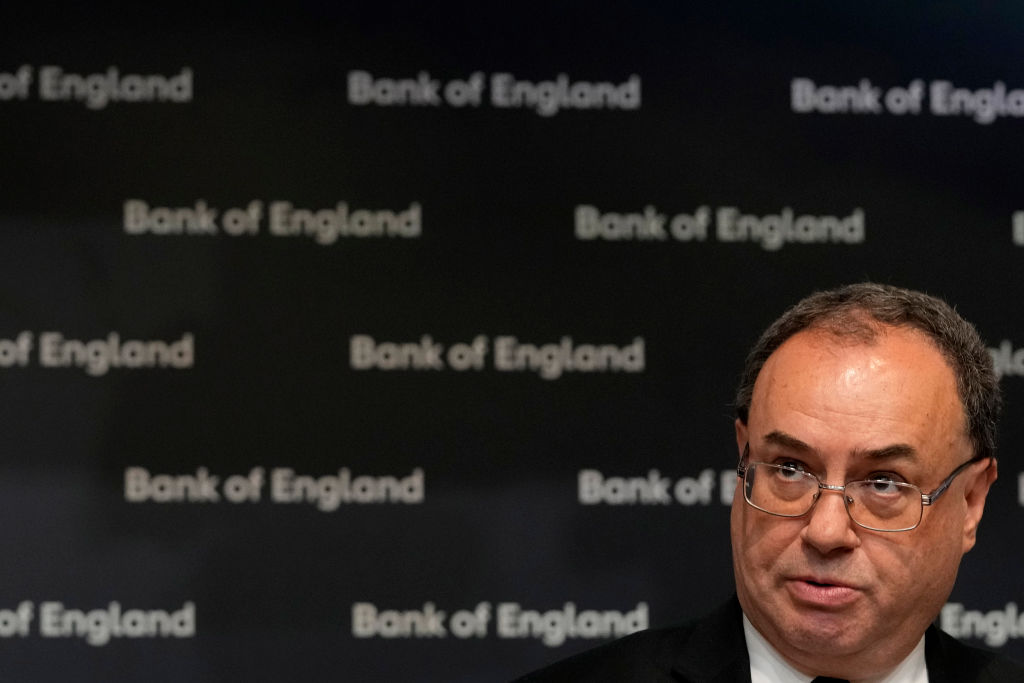
When Gordon Brown raised interest rates by 0.25 per cent and ceded future control to the Bank of England, sterling, shares and government gilts soared. The economy likes certainty. You’ve got to wonder what was going through Andrew Bailey’s mind then, when he apologised for sounding “apocalyptic” about rising food prices as a result of the Russia-Ukraine war.
When Brown announced a policy shift that would overhaul monetary policy, he knew from the moment the words left his mouth the ramifications would be instant.
Communication is an important tool for the Bank of England to keep an economy on track. Andy Haldane, the former chief economist, knew that and was praised for his no-nonsense approach.
But instead this current crop of rate setters are making themselves a different kind of legacy. Bailey & co have become the first to have politicians briefing against the Bank of England’s independence.
Just recently, the monetary policy committee celebrated its 25th anniversary of controlling the UK’s money system. Now, they’re a political scapegoat.
In times of economic stress, it is vital to have an independent institution designed to correct the imbalances responsible for generating said stress.
Handing control of rates (and now quantitative easing) back to the government would weaken incentives to tame inflation. Monetary policy should be responsive to economic data, not electoral gains.
Accusations that the Bank has failed in this regard, that it has been too slow to hike rates, are endowed with the benefit of hindsight. It is obvious policy should have been reined in sooner.
With the exception of Haldane, you would have been hard pushed to find a talking head supporting rate rises in the second half of last year.
That does not excuse the Bank from being held accountable. Tighter policy would have probably kept down what is expected to be a more than 10 per cent inflation peak.
Making it more expensive to borrow would have cooled business and household spending and made it more attractive to save, easing demand and dampening price rises.
Now the inflation tiger is out of the cage, it will run loose for the next 18 months or so. But we need to have a look at the profile of the present inflation shock before completely slamming our policymakers.
At its core, it is a supply-side jolt driven by higher imported energy prices. Oil and gas costs were rising even before President Putin launched his brutal attack on Ukraine.
His decisions have – in addition to causing the worst humanitarian crisis on European soil since the second world war – strengthened those imported price pressures.
Monetary policy operates with a lag even when the economy is balanced. When inflation is caused by a so-called “terms of trade shock,” rate rises do not cut it.
That is why Bailey said this week the Bank cannot do anything to prevent a double-digit peak. It is also why a recession is beginning to look like the only way to shake rapid price increases out of the system.
Under the Bank’s current forecasts, inflation dips below its two per cent target in the long-run if rates follow their market path to reach over two per cent.
There is weight to the criticism that the Bank sets policy that impacts households’ lives without being elected. But, a politician has a greater incentive to keep rates low – amid elevated inflation – to offset tax rises to strengthen their election chances.
Accelerating prices can deal a greater blow to living standards than higher tax bills, meaning people would be worse off overall.
Arguably, we are seeing this incentive dynamic play out right now, as Chancellor Rishi Sunak banks his fiscal headroom on future tax cuts, rather than the help households need now.
The Bank, on the other hand, has hiked rates from a historic low 0.1 per cent to a 13-year high of one per cent in just six months. But to reinforce its commitment to getting inflation back to target, the Bank needs to communicate in clear and common sense terms its plans – otherwise households, businesses and traders will simply run out of patience.
It is a tough gig, this central banking business. But now we are in this mess, how the Bank performs will
determine the strength of its long-term potency.