Bank of England launches £65bn emergency care package to tame UK market carnage
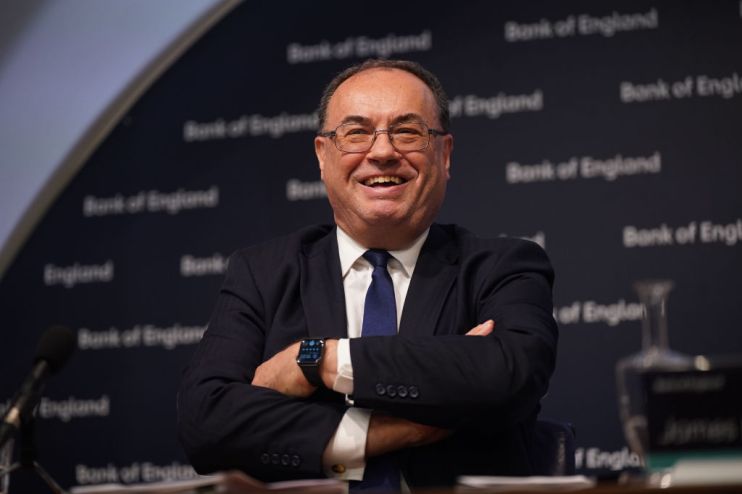
The Bank of England today scrambled to head off a “material risk to UK financial stability” driven by higher UK borrowing costs.
In a mid-morning statement to the City, the Bank said it is launching an emergency, time-limited bond buying scheme amid market chaos triggered by investor concerns over the UK’s fiscal and economic credibility.
It will purchase up to £5bn worth of long-dated government debt each day from today through to 14 October. The package will cost as much as £65bn.
The shock intervention – the second this week – was been triggered by rates on UK government debt surging to levels not seen since 1998.
Yields on the 30-year UK gilt shot up to around 5.05 per cent this morning, while the 10-year gilt, the benchmark for interest rates in Britain, also climbed. Yields and prices move inversely.
The sharp drop in gilt prices meant creditors demanded vehicles that pension managers have invested in – known as liability driven investment (LDI) funds, which are full of UK government bonds – stump up cash immediately to cover their losses.
These margin calls sparked a fire sale of long-dated bonds, pushing yields higher and prompting the Bank to step in before a vicious circle started.
LDI funds are often highly leveraged, which would have magnified yesterday’s volatility if the Bank did not intervene. It is understood LDI funds have invested £1 trillion in UK government bonds, which are often loaned out to maximise returns.
“Were dysfunction in this market to continue or worsen, there would be a material risk to UK financial stability,” the Bank said, forcing it to step in.
“The purpose of these purchases will be to restore orderly market conditions. The purchases will be carried out on whatever scale is necessary to effect this outcome,” the Bank added.
The Bank has in effect been forced to resume its quantitative easing policy to stabilise markets after they were rocked by the government’s tax cutting and borrowing splurge.
Analysts at RBC said the Bank’s intervention is a “necessary evil” but that “the root cause of the problem [is] the government’s ill thought through fiscal strategy”.
Rates on the 30-year bond tumbled to below four per cent after the statement, a whole daily percentage point move, which is extremely rare in bond markets.
The pound surged 1.4 per cent against the US dollar on the news and was down slightly against the euro. The FTSE 100 and 250 closed higher after reversing early losses.
Earlier this week, sterling plunged to a record low against the greenback and has been volatile all week.
The Bank also today kicked back its intended bond sales to 31 October. It had planned to ditch the assets at the beginning of the month.
Central bank bond purchases, known as quantitative easing, bring interest rates down by increasing demand for government debt.
Higher rates on UK financial markets feed through to the economy through high street banks charging more for loans.
The Bank of England hoovered up government bonds during the Covid-19 and financial crises to support the economy. That programme saw its balance sheet swell to £895bn.
Rates on UK debt have accelerated rapidly since chancellor Kwasi Kwarteng and prime minister Liz Truss slashed taxes £45bn and ramped up borrowing at last week’s mini-budget.
The City has been fretting over the government derailing the public finances by heaping debt on to Britain’s credit card.
Last night, the International Monetary Fund urged Truss and Kwarteng to u-turn on their policies to prevent inflation, running at a 40-year high of 9.9 per cent, from staying higher for longer.
The Bank has been forced to step in to offset the government’s policies sparking severe market volatility. The move is likely to raise questions over Threadneedle Street’s independence from Number 10.
“The Chancellor is committed to the Bank of England’s independence. The government will continue to work closely with the Bank in support of its financial stability and inflation objectives,” the Treasury said.