Bank of England monetary bosses should have their pay tied to inflation targets

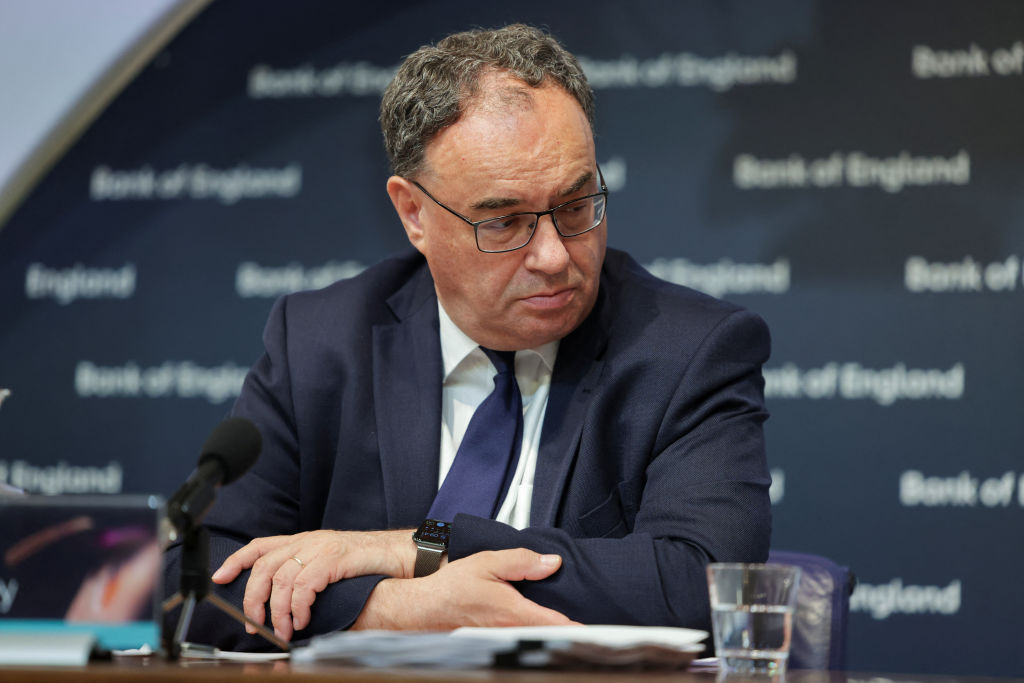
If Andrew Bailey and the Bank of England want workers to accept reductions in their real income, the bosses on the monetary policy committee should too, writes David Bholat.
In April, the Bank of England’s Chief Economist and member of the Monetary Policy Committee (MPC) Huw Pill provoked the ire of workers when he said they would need to accept reductions in real income. More recently, Andrew Bailey has doubled down by telling workers to moderate demands for higher wages.
These comments by policymakers about other people’s pay inevitably raise questions about their own. According to the Bank of England’s Annual Report published earlier this month, Bailey turned down a pay rise, while other members of the MPC received a small one, despite inflation running well above the Committee’s 2 per cent target.
If monetary policymakers are to credibly urge wage restraint, their own incomes should be more firmly anchored to policy outcomes. A straightforward way of doing so is to tie the pay of MPC members to the inflation target. If they achieve it, MPC members would receive a 2 per cent nominal pay rise. Otherwise, their pay would get reduced by deviations from target. For example, if inflation averaged 10 per cent, then 8 per cent of MPC members’ salary over the past 12 months would be clawed back. Deflation would result in proportionate pay reductions. A more refined remuneration formula might also grant a small margin for error of less than 1 per cent around the target, and account for time lags in the transmission of monetary policy.
Nominal adjustments to MPC members’ salaries would amplify the real effects of price level changes felt by everyone. This fairly reflects the greater influence members of the committee have on inflationary outcomes. It also compensates for the fact that policymakers are practically immune from punitive actions like dismissal or personal civil liability that otherwise hang like Damocles’ sword over the heads of directors in other organisations.
Beyond the MPC, the Bank of England could consider adopting remuneration policies for its employees that mirror those it requires of regulated firms. For starters, the Bank would identify its Material Risk Takers ‐ staff who significantly influence its operations and policymaking. Then, in accordance with PRA rules around remuneration, a greater proportion of their total compensation would be deferred. For example, the head of a team supervising a systemically important financial institution might have their annual bonuses deferred for three years and forfeited if the institution fails or receives exceptional support during this period. To compensate senior central bankers for greater downside risks, the level of their potential pay likely needs uplifting to allow the central bank to attract and retain the talent required for effective supervision and policymaking.
In the private sector, variable and deferred remuneration policies exist to prevent excessive risk-taking by executives for quick personal gain by timing and tying their payouts to longer-term horizons. The rationale for these policies in central banks is different. Central bankers already make policy in an impartial way, even if, like any of us, they do so from partial perspectives. So, we cannot expect policymaking to improve simply because central bankers might lose some pay.
Instead, the rationale for these policies is to ensure central bankers retain their authority to weigh in on issues within their remit. Bailey and Pill are right to warn about a wage-price spiral, alongside other inflationary factors like supply shocks and profiteering. But the moral force of their message would be stronger if the Bank of England led by example. It can do so by more clearly linking the pay of its senior officials to their performance against policy objectives. This would provide a more material mechanism for ensuring central bank accountability than current, largely tokenistic gestures like open letters between the Governor and the Chancellor.
Performance-based pay for policymakers will be branded as “virtue signalling”, but is that really such a vice at a time when many feel the bond between earnings and outcomes is broken, and that those with power are held to different standards than those without.