https://morningwire.eu/fr/le-ftse-100-se-stabilise-apres-que-les-majors-petrolieres-l-aient-tire/
FTSE 100 steadies after oil majors pull it lower, but relief may be on the horizon
Oil price weakness hit the FTSE 100, but a possible reopening of the Strait of Hormuz offers a glimmer of relief.
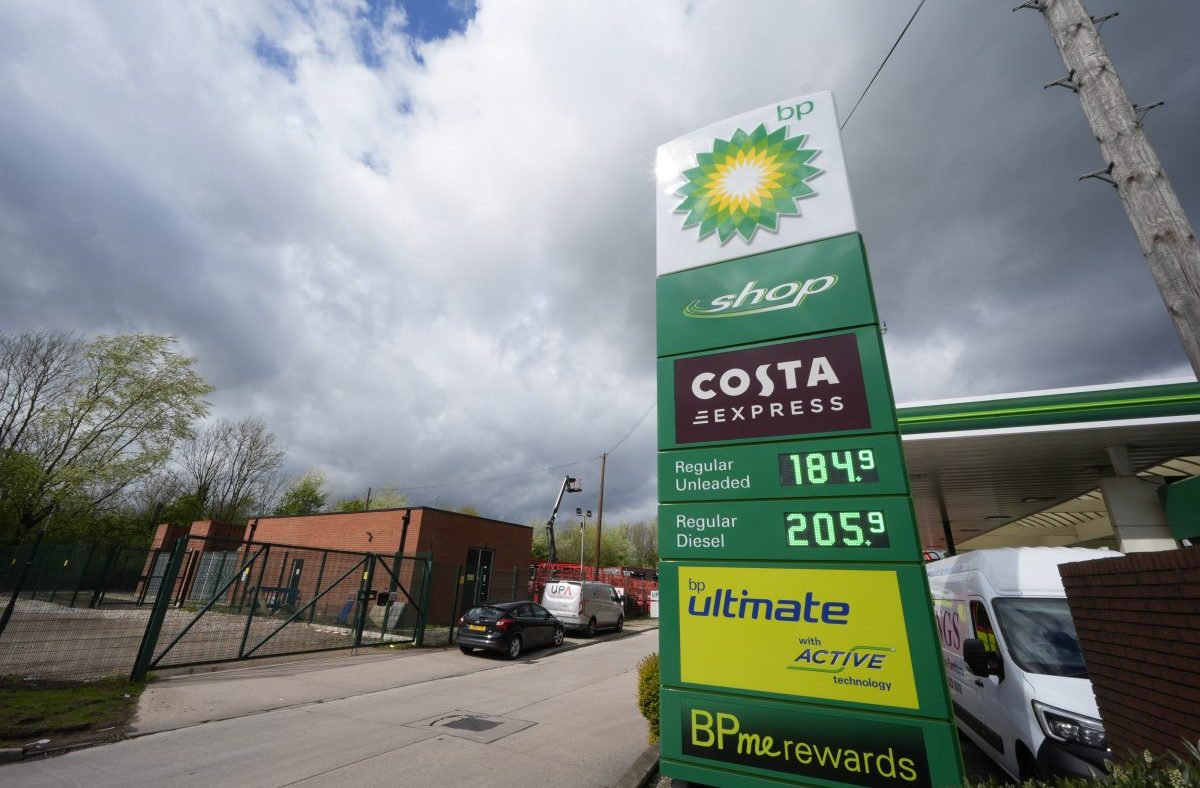
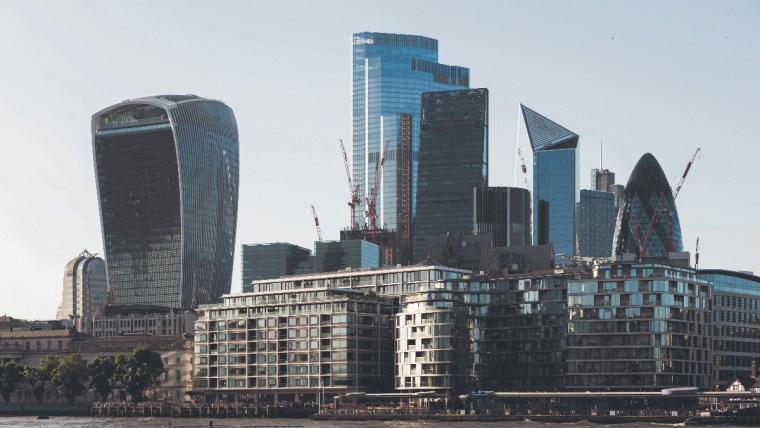
FTSE 100 slipped in early trade on Wednesday as the market‑heavy energy stocks BP and Shell fell on a sharp drop in Brent crude. By the close the index had recovered to finish level with Tuesday’s close.
Brent, the international benchmark, fell more than two per cent to $86 a barrel, extending a week‑long slide that has pressured oil‑linked equities across Europe.
"Despite the pressure lower oil prices put on the shares of index heavyweights BP and Shell, the FTSE 100 managed to make some progress. It was supported by gains in the retail, aviation and housebuilding sectors. These areas have typically been beneficiaries when hopes of a resolution to the Iran conflict emerge, given the implications for inflation and borrowing costs if shipping routes through the Strait of Hormuz are unblocked," said Dan Coatsworth, head of markets at AJ Bell.
In the UK, the energy regulator Ofgem raised its cap on household bills by four per cent to an annual total of £1,723, adding fresh pressure on the cost‑of‑living agenda championed by Andy Burnham. The new cap, which applies from October, comes as the Iran conflict continues to push global energy prices higher, a factor that economists say has fed recent UK inflation.
On the diplomatic front, reports from Pakistan suggest that the US and Iran are moving closer to a peace deal, while talks between Iran and Oman aim to secure an interim reopening of the Strait of Hormuz. If shipping lanes resume, the immediate supply‑side shock to oil markets could recede, offering relief to both consumers and investors.
Regulatory and geopolitical backdrop
The higher bill cap underscores the domestic impact of global energy volatility. At the same time, the emerging trade dispute between the US and Canada, sparked by new tariffs, adds another layer of uncertainty for commodity‑linked markets.
Outlook for UK equities
Analysts expect the FTSE 100 to remain sensitive to oil price swings. A sustained de‑escalation in the Middle East could see the index regain momentum, especially if sectors such as retail, aviation and housebuilding continue to benefit from lower inflation expectations. Investors tracking the market may also want to revisit the recent FTSE 100 edges toward record analysis for a broader view of the index’s trajectory.
Meanwhile, the potential boost from Burnham's council housing fund could provide additional support to the housebuilding segment, further cushioning the index against energy‑related volatility.