Inflation across the world and in the UK will likely be stuck at a higher rate

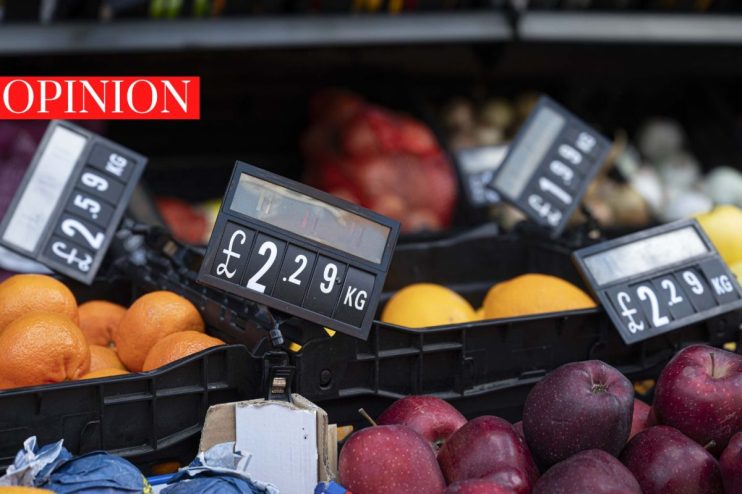
The very forces that kept inflation down – the labour market, less defence spending and energy prices – are now keeping it high and will be with us for years to come, writes Rob Perrone
The last decade was a fabulous time to own financial assets. This was thanks largely to forces that kept inflation low. That low, stable inflation wasn’t magic. It was helped by major deflationary forces: declining labour power, globalisation, cheaper energy, and the “peace dividend”, every one of which is now stopping or reversing. With these deflationary forces gone, inflation is likely to be materially higher, even if markets are still pricing in a smooth glide back to 2 per cent.
There are four long-term forces which could have a substantial impact on world inflation.
The first is the changing nature of the labour market. Over the past three decades, the power pendulum swung from workers to companies, boosting corporate profits and returns for equity owners, while keeping wage growth and inflation down. Yet this swing is now reversing back towards workers.
Some wage increases are due to the distortions of lockdowns, but we expect much of the acceleration to remain sticky. Many older people left the workforce during Covid and have not returned. Public support for unions is near 40-year highs, and strike actions are rising on both sides of the Atlantic. In the US, they have increased by a whopping 50 per cent, and have reached everywhere from Amazon to Starbucks to automakers. Even Japanese firms are seeing strikes.
If only half the recent acceleration persists, that would bring nominal wage growth back to levels that prevailed as recently as the 1990s. If the tight historical link between wages and inflation holds, increased labour power could boost annual inflation by about 1.3 per cent across the rich world.
The second force keeping inflation high is a shift away from globalisation. The chief virtue of globalisation is efficiency. Cutting tariffs and other trade barriers allows businesses to source capacity the world over, making goods wherever it is cheapest. Since China joined the World Trade Organisation in 2001, inflation in import-sensitive categories has dropped from 3 per cent per annum to near zero.
Globalisation has at least stopped, and is probably reversing. Global trade as a percent of global GDP reached a peak of 61 per cent just before the financial crisis but has since fallen to 57 per cent. The tariff war between the US and China has accelerated the decline, as have sanctions on Russia. Supply chain problems during Covid vividly exposed the weaknesses of “just in time” supply chains. A move to “just in case” supply chains, with more inventories and redundant operations, will increase costs.
For thirty years after the fall of the Berlin Wall, European countries have reaped the “peace dividend”, spending less on defence and more on happier domestic priorities. With more global conflict, that is changing.
Defence spending is inflationary, as it puts money in private hands without increasing the supply of consumer goods and services. To calculate the impact on inflation, we take the increases required (based on announcements from Europe and Japan) and then narrow the impact by looking only at what defence firms pay their suppliers and staff. Weighting regions by GDP, we believe increased defence spending could add another 0.2 per cent to annual inflation.
Until recently, the world’s energy system was optimised for cost. That has been the pattern through human history. But to fend off the effects of climate change, that is now changing and the energy transition is the fourth thing keeping costs rising. Even after great improvements, the cost of new solar and wind power with battery storage is higher than the cost of existing coal and gas plants. Higher energy costs are likely to result.
To model this, we’ve assessed the direct effect on consumer electricity and gas prices from the changing energy mix across regions. The direct impact on consumer prices is likely to add about 0.3 per cent to annual inflation across the rich world.
That is understated because it does not include higher carbon prices or secondary effects. Producers of goods and services pay for power, too, so higher power costs will feed through to a far broader range of consumer prices.
If rising labour power, the end of globalisation, higher energy costs, and rising defence spending drive inflation to 4 per cent, stocks and bonds could each struggle, and they are likely to rise and fall in tandem. Investors must adjust either their expectations or their portfolios.