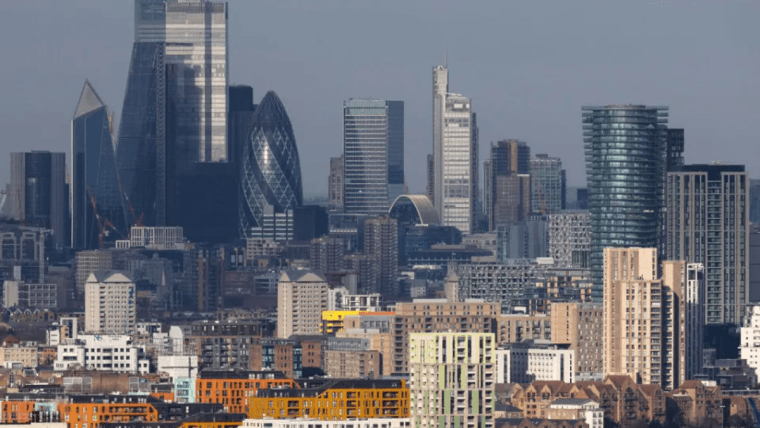
London ranks second globally but housing costs drag quality‑of‑life score
London’s strong economic standing is offset by a housing affordability crisis that lowers its quality‑of‑life ranking in the latest Global Cities Index.

London slipped to second place in the 2025 Global Cities Index released by Oxford Economics, trailing only New York. While the capital shines in economic and human‑capital metrics, its quality‑of‑life score fell to 144th, largely because residents spend a larger share of their income on housing than almost any other major city.
Why the ranking matters
The index evaluates 1,000 cities on economics, human capital, quality of life, natural environment and political stability. Paris, San Jose and Melbourne all rank behind London in overall standing, but the capital’s quality‑of‑life position trails behind European peers such as Berlin and Amsterdam.
House prices have surged more than 23 % since mid‑2015, reaching £554,000 in June. Moneyfacts reports that the price‑to‑income ratio now sits at nearly 15 times the average earnings after taxes and duties, the highest of any English region. Residents in the capital face roughly double the affordability burden compared with peers in the North West and North East.
The crisis is hurting London’s score for quality of life standards.
Housing affordability has become a headline issue for the current government. Angel Rayner, the housing secretary, told the BBC there is a “slim chance” of meeting the Labour pledge to deliver 1.5 million new homes by 2030. Sadiq Khan, the mayor, has also missed his own affordable‑housing targets. The Prime Minister announced that London will receive about £6 billion of the initial £10 billion cash injection earmarked for council housebuilding across the UK.
What’s next for the capital
Analysts say the only way to lift the quality‑of‑life score is to boost supply, a process that will require sustained political will and time. In the short term, tighter mortgage conditions, highlighted in a recent report on rising mortgage rates ahead of the Bank of England’s decision, could further strain buyers.
If housing costs remain unchecked, London could see a slowdown in talent inflow, potentially narrowing the gap with New York and affecting its long‑term standing as a global hub for business, science and the arts.