Rocco Forte Hotels' Russian arm declares £3.2m dividend amid sanctions debate
The Russian subsidiary of the UK luxury hotel group posted higher profit and a £3.2m dividend, drawing criticism over its ties to the war‑time economy.
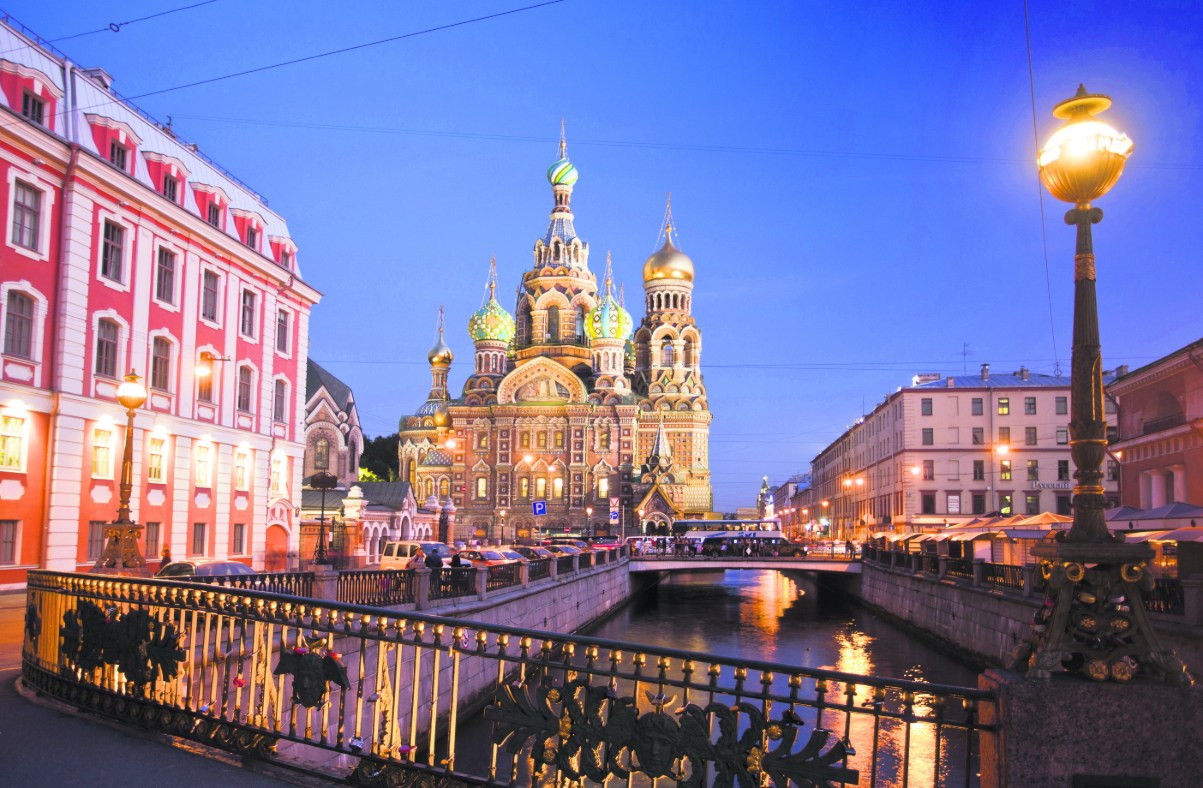
Rocco Forte Hotels’ Russian holding, Astoria Hotel Joint Stock Company, announced a dividend of £3.2 million for the year to May, a rise of more than 66 per cent on the previous payout. The same filing showed post‑tax profit climbing to £7.9 million, up 14 per cent despite a Russian economy strained by sanctions and the war in Ukraine.
Why the payout matters
The dividend has reignited a debate that began when the group chose to keep its St Petersburg properties, the Astoria and the neighbouring Angleterre Hotel, operating while many Western firms withdrew from the market. Critics, including the civil‑society coalition B4Ukraine, argue that staying in Russia indirectly funds the Kremlin’s war effort.
Corporate safeguards and ownership
The group says the Russian assets are held in a shell company that is ring‑fenced from the rest of its empire, meaning the majority owner, Sir Rocco Forte, does not profit directly while sanctions remain in place. The hotel chain retains a 60 per cent stake in the holding; the identity of the remaining shareholders is undisclosed.
In response to the evolving political situation in Russia, the group has introduced additional policies and procedures to manage the associated risks and to ensure compliance with international sanctions.
In 2023, Saudi Arabia’s sovereign wealth fund bought a 49 per cent stake in the wider hotel group, valuing the business at roughly £1.4 billion while leaving Sir Rocco Forte in control.
What comes next
Analysts expect continued scrutiny from regulators and activist groups. If sanctions tighten further, the ring‑fenced structure could be challenged, potentially forcing a sale or a complete exit from the Russian market. For now, the dividend signals that the Russian operations remain financially viable, but the long‑term outlook hinges on geopolitical developments and the appetite of investors for exposure to a sanctioned economy.