National Grid to pay factories for gas cuts in emergency plans to fight winter crisis

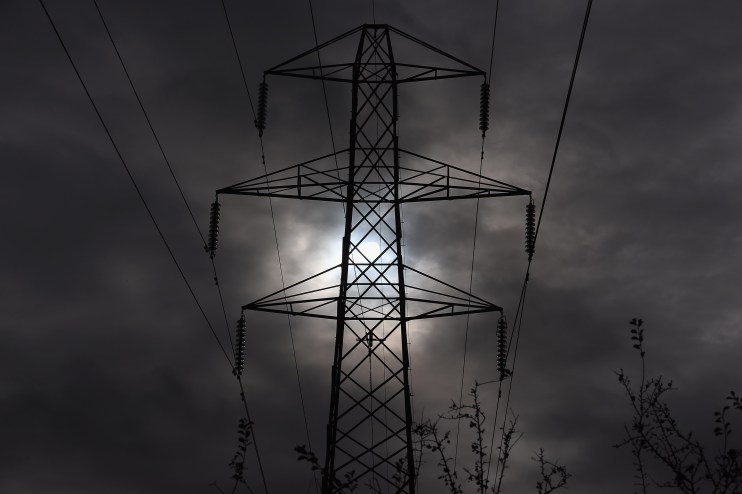
National Grid has drawn up emergency plans to reduce power demand from factories across Britain, forecasting that the ensuing crisis could last for another three years.
Large industrial companies would be paid to cut gas usage every winter until 2025 as National Grid attempts to avoid uncontrolled blackouts that would cause “a major economic and societal impact”.
This comes amid fresh gloomy forecasts from consultancy Auxilione warned that the energy price cap will top £6,500 a year in April after a fresh surge in gas prices – with European gas prices hitting record levels yesterday.
Prices spiked after Gazprom announced a further three-day shutdown of the Nord Stream pipeline to Germany for unscheduled maintenance at the end of the month.
National Grid’s draft proposals include making payments of up to £5m this winter for factories that cut production if the gas crisis escalates because of the war in Ukraine.
It has warned factory owners they face compulsory gas rationing, if they fail to put in bids for ‘demand side response payments’ – compensation for voluntary cuts.
Morning Wire understands this follows discussions between National Grid and industry around ways to more effectively incentivise businesses to sign up to voluntary DSR contracts ahead of winter.
The current scheme requires demand side response applicants to be gas users of at least two million therms per year.
They would have to offer at least 100MWh per tranche, with offers from one to seven days.
In a draft report circulated this week and seen by Morning Wire, National Grid said: “The gas supply picture is different for this winter, given the current uncertainty about whether sufficient Russian gas will be available to supply continental Europe, which may have consequences for Great Britain’s ability to attract gas if needed via the interconnectors at high demand conditions
We therefore believe that there is a need to incentivise the take-up of the DSR products so that the scheme can be utilised this winter if required.”
National Grid confirms four-day wargaming
Meanwhile, National Grid has also ramped up its emergency planning exercises in case of supply shortages this winter.
Potential scenarios – including the rationing of electricity – will be wargamed over four days, instead of the usual two.
This was reported earlier this month by Morning Wire and confirmed today by Sky News.
The so-called Exercise Degree happens every year, but has drawn increased attention this year amid sustained market volatility and fears of supply shortages.
“The aim of this exercise is to demonstrate that the gas industry is prepared and able to meet its obligations in the event of a Network Gas Supply Emergency (NGSE),” said a briefing document from the National Grid.
It will take place on the 13 and 14 of September, as well as on the 4 and 5 of October.
An industry source told the news agency that the doubling of planning days should not cause undue concern to the public, but it has been extended due to the new issues now facing the UK – such as the war with Ukraine affecting global supplies.
They said: “Hopefully this exercise will mean we cover all of these new scenarios, and we will be more prepared going into the winter.”
The gas supplies, they said, are expected to remain stable throughout the winter with household blackouts “very unlikely”.
A spokesperson for National Grid said: “Exercise Degree is the latest in a long series of annual exercises which go back to 1996 when the Network Emergency Co-ordinator role was created.
The exercises enable National Grid Gas, government and industry participants to test the effectiveness of industry-wide emergency arrangements in order to prevent, and (if unavoidable) respond to a Gas Supply Emergency.
The Network Emergency Coordinator has an obligation to provide assurance to the HSE on the effectiveness of these arrangements.
The pre-winter exercises take place every year and have become a routine part of the energy industry’s annual calendar. The arrangements for Exercise Degree were made back in January 2022.”