Oil breaches $100 a barrel as Iran‑linked conflict spikes prices
Fresh attacks on Iranian tankers and Saudi facilities push oil above the $100 mark, stoking inflation fears and market volatility.
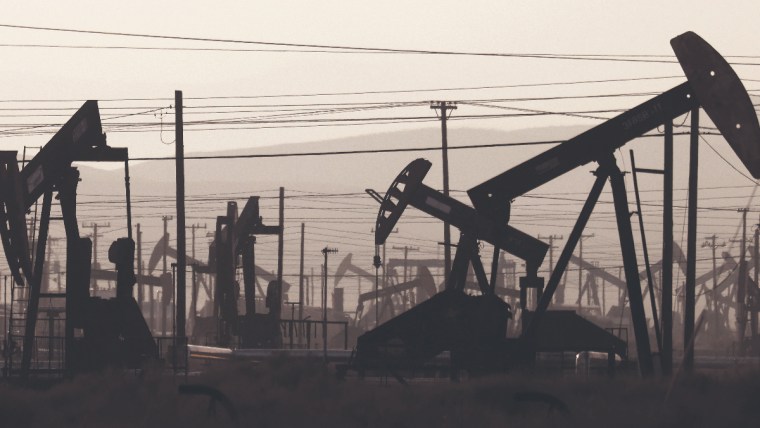
Brent crude climbed above $100 a barrel on Wednesday, the first time it has reached that level since July. The jump of more than two per cent came after a series of new strikes in the Middle East raised fresh concerns about global oil supplies.
Supply shocks drive price surge
U.S. officials confirmed they intercepted several Iranian oil tankers on Tuesday night in retaliation for Tehran’s attempted missile attacks on a U.S. warship. Earlier in the week, the Iran‑backed Houthis struck multiple oil facilities in Saudi Arabia, further tightening the market.
"$100 is a psychological level that matters for markets," said Kathleen Brooks, research director at XTB. "If the oil price rises above this level it will give many central banks no choice but to hike rates, it will increase costs for businesses and consumers and ultimately could weigh on economic growth."
The price rally is more than a headline number; it feeds directly into inflation calculations that central banks monitor closely.
Policy and market fallout
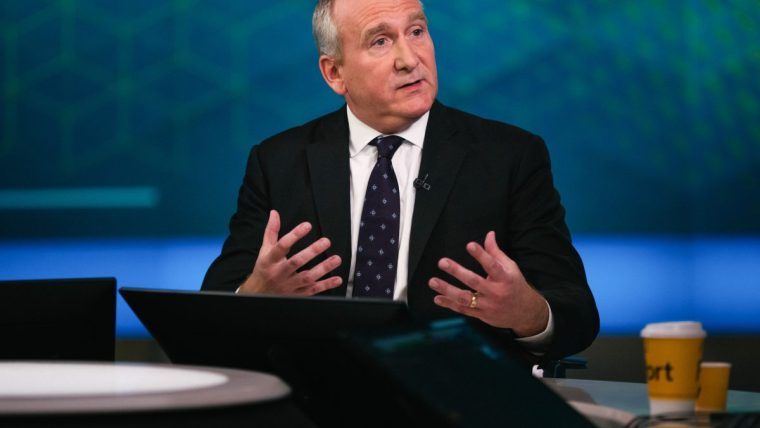
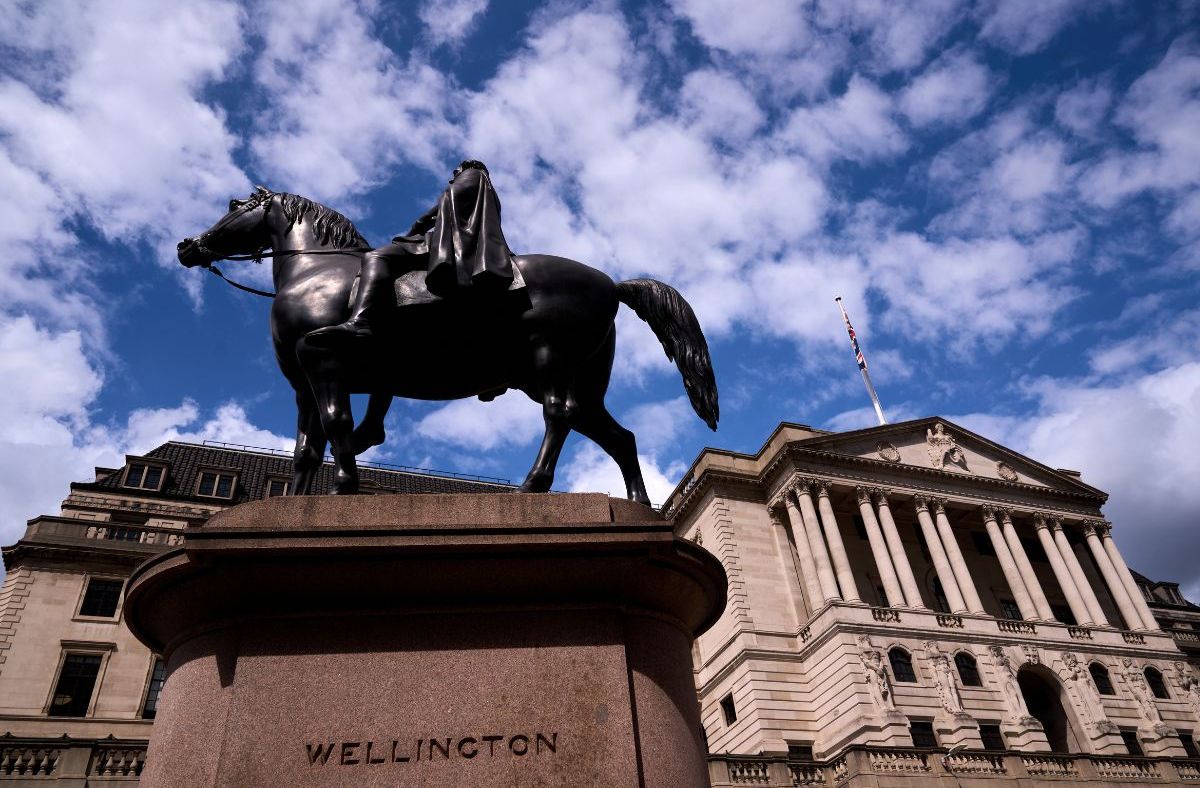
Bank of England governor Andrew Bailey warned MPs that energy costs could climb even higher next year if the conflict persists. He said the inflation outlook was "to the upside" and that volatility in energy markets was feeding through into financial markets.
In London, the FTSE 100 slipped on Wednesday morning despite modest gains for oil majors BP and Shell. The broader index was weighed down by pressure on airlines and luxury retailers, with International Consolidated Airlines under strain after British Airways faced air‑traffic‑control disruptions, and Burberry sliding after a broker downgrade.
Richard Hunter, head of markets at Interactive Investor, observed that the lack of enthusiasm was felt across a broad markdown, with only a few sectors offering any resistance.
Analysts expect the higher oil price to keep inflationary pressures alive, prompting the Bank of England to consider further rate hikes. Continued fighting in the region could sustain the supply tightness, keeping oil above the $100 threshold for the foreseeable future.
Investors will be watching both the geopolitical developments and central‑bank responses closely, as any escalation could reverberate through markets worldwide.