Rail fares could be hiked by 5 per cent – it’s time for an overhaul of how we view public transport

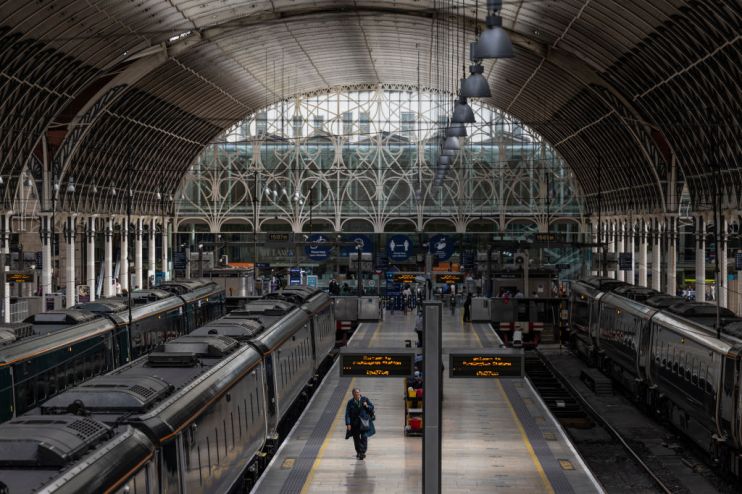
This week marked the start of the new academic year in earnest and for many it was also a return to work, coming back into London for the first time after months of working from home.
But for rail commuters, the latest inflation figures could mean the biggest fare hike in a decade. If the government sticks to its current formula of bumping up fares by one percent above the Retail Price Index it could mean a near 5 per cent increase in journey costs from January.
At a time when we should be pulling out all the stops to woo people back to London, especially for the sake of those sectors that rely on commuter trade, such as hospitality, retail, arts and culture, it would be bordering on insanity to go ahead with this.
Higher ticket prices will act as a big disincentive to coming back to workplaces and many commuters will resist the return to the office. It could also push more people into cars with the knock on impact on air quality, pollution and emissions at a time when we are trying to drive our carbon footprint down. It would also hurt those who could least afford it, such as essential workers, who have kept the wheels of the city turning throughout the pandemic, and have no choice but to use public transport.
Some steps have been taken to try to make the return a bit more attractive – the government has introduced flexible season tickets, allowing eight discounted journeys per month. While cheaper than buying a ticket on the day, in many cases the savings compared to a season ticket are negligible. Employers can do their bit by allowing staggered start and finish times so staff can travel outside of more expensive peak hours.
Now is the time to think bigger than simply discounted tickets. New York’s equivalent of Transport for London, the Metropolitan Transportation Authority, recently announced it will postpone a proposed 4 per cent fares rise across the city’s subway, bus and some commuter rail services in a bid to lure back commuters. Meanwhile closer to home, Northern Rail is offering a million seats for £1. And at London First, we have proposed a “first user discount” to make getting over the initial hurdle of making that first journey that much easier.
Fundamentally though, the whole model of rail fares pricing has been a mess for decades. The fares-based funding model for public transport – both services run by Transport for London and the railways – was under pressure even before the pandemic. The loss of government subsidy, changing travelling habits, the impact of ride-hailing apps, electric bikes and e-scooters, the greater take up of walking and cycling, as well as a move to more flexible working were already weighing on the network. The pandemic has accelerated many of these trends and exposed the failings of a funding model that’s in desperate need of modernisation.
What’s needed is a reappraisal of the whole rail fares system and its replacement with a framework based on fairness, which makes sense to consumers alongside a long-term sustainable solution to funding public transport – one that moves away from the broken fares-based model.
Ultimately though, we need to ask ourselves a bigger question about what public transport is for – is it simply about getting from A to B or should it be viewed as a vital public service supporting a range of public policy goals from levelling up and net zero through to enabling economic growth – and be funded accordingly? This would mean the government stumping up more to support public transport as in other global cities, like New York and Paris. It would translate to London having a higher proportion of government subsidy and serious consideration for alternative funding mechanisms which could span road user charging to giving the Mayor more control over the taxes raised in the capital.
So rather than reverting to a pre-pandemic solution of a fares rise, we need a bolder approach that works for the travelling public of the 2020s. And in the shorter-term, doesn’t deter people from coming into the capital which is waiting to welcome back commuters and visitors to enjoy everything that the world’s greatest city has to offer.