Tech bosses behind bars? The chances are vanishingly slim under new online safety laws

The online safety bill has been revisited, again. Despite the new amendments, it’s still a problematic piece of legislation, writes Julian Hayes
In the festival of British politics, the online safety bill is a headline act (again). The controversy it has generated has spanned four prime ministers and countless changes in the tech world. This week, a rebel alliance of backbenchers wrung a last-minute concession from the government, meaning social media bosses will be individually liable if platforms repeatedly fall short of their child safety duties. Superficially simple, the idea is unlikely to be a panacea.
Calls for punitive measures against the poster boys of Big Tech are not new. In 2019, the online harms white paper canvassed senior management liability for breaching a duty of care to keep service users safe online. But the bill omitted criminal enforcement powers against individuals except in limited circumstances. Child safety campaigners criticised the omission, arguing the threat of jail time, not financial penalties, would bring social media companies to heel.
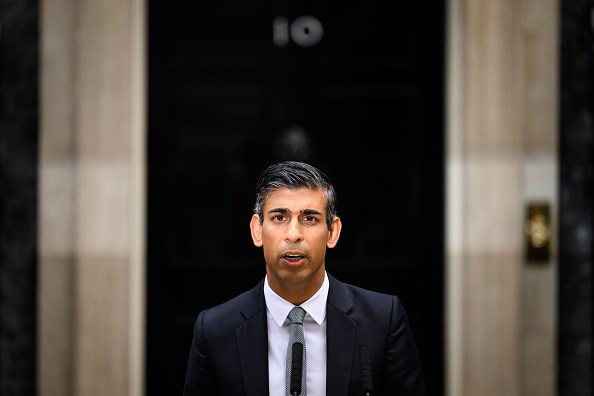
Rebel MPs claimed threatening senior managers with liability under health and safety and financial service rules had improved corporate behaviour. They used this as a basis for their demands: up to two years’ imprisonment for tech execs where breaches of online safety duties – regardless of how serious – occurred with their consent, connivance or neglect. Problems with the proposal – risks to investment in the UK’s digital sector and enforceability issues – were breezily dismissed by reference to Ireland where similar laws co-exist with a flourishing “techscape”. Many rebel arguments did not bear scrutiny but the understandable imperative of child safety overcame all opposition. Facing a Commons’ defeat, Rishi Sunak capitulated, agreeing to a more targeted form of individual liability.
The Irish law sets the precedent: it imposes individual liability not for a breach of a child safety duty, which could be difficult to prove, but for consenting, conniving, or neglectfully failing to comply with a regulator’s contravention notice. Those acting in good faith to comply in a proportionate way would escape conviction.
Whereas the rebel proposal created a heavy stick with which to beat social media executives, the compromise measure would be seldom used – company officers are unlikely to “go rogue”, willingly ignoring contravention notices. Child safety campaigners welcomed the compromise but their enthusiasm may cool when social media-related tragedies still occur and the scalps of those deemed responsible remain elusive.
Though much amended, the online safety bill remains problematic. Key child safety duties and definitions are maddeningly opaque: what must service providers do to “mitigate and manage the risk of harm to children”, and what constitutes “harmful content”? To stop children encountering pornography, self-harm promotion, and cyberbullying online, service providers must operate “proportionate systems and processes” but will only learn from Ofcom in autumn 2024 precisely what is required.
Free speech advocates warn firms may adopt a safety-first approach to all online content rather than risk failing in their child safety duties, creating proxy censorship regimes. Age-verification to gate-off adult content brings a host of issues, including inaccuracy, circumvention by tech savvy kids (which incidentally is most of them), and privacy risks.
Though Ireland’s online safety law was taken as an exemplary, it was only signed into force last December, so its impact on the country’s reputation as tech magnet is far from clear. And we know the UK government wants to grow the UK’s $1tn tech industry.
Even with its dangers, the digital world offers children many benefits. The moral indignation we feel when disastrous cases occur risks creating bad laws. The online safety bill’s imperfections made the rebel amendment inappropriate but MPs deserve praise for achieving a sensible compromise. The last-minute horse-trading over, the bill now moves to the House of Lords where calm reflection must prevail.