The Chancellor’s tentative steps towards popular capitalism

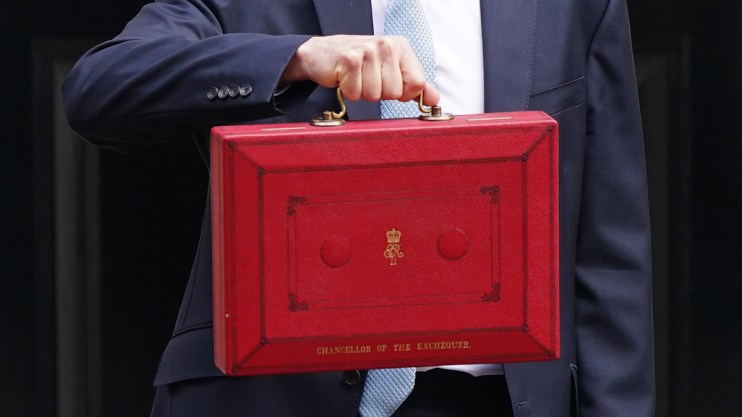
For far too many people, hard work no longer translates into material prosperity. Today’s Budget starts to change that, but there’s much more to do, says Sam Bidwell
In amongst the excitement of Budget day, it’s easy to lose sight of the basics. The government’s major fiscal events are an opportunity to identify where our economy is, and where it’s heading. While policy wonks and financial analysts will fixate over the details, the success or failure of a budget has far more to do with the broad signals that it sends to the public.
It is those broad signals which shape how people think and feel about our economy – at a time when faith in our economic model is declining precipitously, particularly amongst younger people, it is more important than ever to get those signals right. As recent research by the Adam Smith Institute highlights, declining faith in capitalism and liberal democracy amongst younger people is directly linked to the fact that it is no longer possible to earn, invest, and save as our parents and grandparents did. For far too many people, hard work no longer translates into material prosperity. When stagnant incomes are squeezed by rising housing costs, expensive childcare, and historically high taxes, is it any wonder that people are frustrated with the status quo?
That’s why we should welcome the steps taken in this Budget to expand ownership opportunities and reward hard work. In particular, it was encouraging to hear the Chancellor talk in such plain terms about the relationship between low taxes and high growth, recognising that a dynamic, forward-looking Britain should look to cut taxes whenever it can.
It wasn’t quite Milton Friedman’s “tax cuts under any circumstances and for any excuse, for any reason, whenever it’s possible”, but a 2 per cent cut in National Insurance will come as a relief for many working people. Combined with the 2 per cent cut announced in the Autumn, an average worker earning £35,000 will now save £900 in the coming financial year. This will mean greater freedom for millions of people across the country to save and spend as they see fit, and less precarity month-to-month for those struggling to keep afloat amidst rising costs. What’s more, the OBR projects that this cut will bring around 200,000 more people into the workforce.
Of course, there’s more to economic stability than tax and savings; we should also commend the steps that the Chancellor has taken to help those putting down roots. His commitment to calculating child benefit eligibility by household rather than by individual is a heartening move, and one which will result in a fairer child benefit system in the long term. In the meantime, raising the threshold at which parents start paying the High Income Child Benefit Charge from £50,000 to £60,000 will be a much-needed boost for almost half a million families grappling with growing childcare costs.
We should also celebrate this Government’s plans to push ahead with the sale of its shares in Natwest. One of the most powerful rhetorical tools in expanding popular capitalism in the 1980s was the idea of a ‘shareholding democracy’, in which ordinary citizens were empowered to own shares, both as a means of making money, and as a mechanism for encouraging public interest in the health of our economy.
Continuing in that spirit, the public sale of the Government’s Natwest shares will open up a great opportunity to invest in a Great British asset, while also giving people across the country a stake in the success of our financial services sector. Coupled with cuts to stamp duty on shares, this is a Budget which rightly recognises both the emotive power and the economic benefits of broadening share ownership.
That said, there is still much more to be done. Those of us saving for a mortgage deposit will have been disappointed not to hear anything new on housing, which still represents the biggest obstacle to building economic stability for younger people. While National Insurance cuts are an encouraging step, our broader tax regime remains flawed. If income tax thresholds had remained pegged to inflation, today’s NI cut would have bought an additional 100,000 people into work – instead, six years of frozen personal tax thresholds have created a ‘fiscal drag’ which reduces the impact of the Chancellor’s work incentives.
Yet, against a challenging economic backdrop and in the final year of a parliament, this Budget is a step in the right direction. New measures on tax, child benefit, and share ownership are a sign that the Chancellor recognises the need to restore faith in capitalism by broadening opportunity to build a stake in our economy and allowing people to keep more of their money.
As the ballot box looms closer, the Chancellor has the opportunity to further signal his commitment to rebuilding popular capitalism, working with colleagues in government to stimulate house-building, reduce stifling regulations on start-ups, and allow us to keep more of our own money. As Laozi once (almost) said, a journey of a thousand miles starts with a single tax cut.
Sam Bidwell is Director of the Next Generation Centre at the Adam Smith Institute