There’s nothing inevitable about slower growth – but we must embrace change

Are we doomed to secular stagnation, to permanently lower rates of economic growth? The debate was sparked off nearly a decade before the financial crisis by the top US economist Robert J Gordon. He took a pessimistic view of the impact of the new wave of technology on productivity and economic growth.
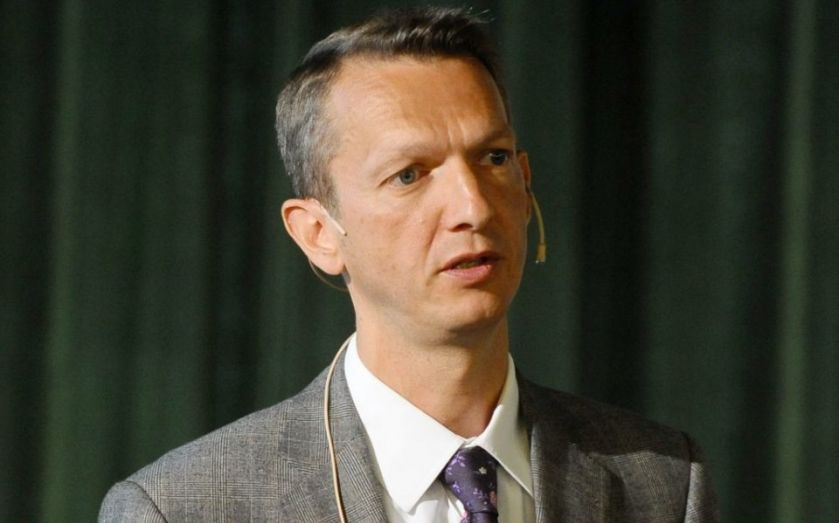
The latest contribution is from the Bank of England’s chief economist Andy Haldane. In a characteristically wide-ranging and thought-provoking speech, Haldane argued a couple of weeks ago that internet technology, far from being a stimulant, may be lowering the rate of long-term growth. He points out that, almost incredibly, 99 per cent of all the information ever created has been generated this century. Haldane suggests that this reduces our attention spans, which in turn leads to short-term thinking and decision-making becoming dominant. But growth requires commitment and patience. Human creativity, the ultimate foundation of all advances in living standards, demands time for reflection. Innovation and research are casualties of these trends.
Long-term growth rates reflect the underlying productive potential of the economy. Actual year-to-year growth rates may be above or below the trend, reflecting short-term influences. But there is a strong consensus among economists that, over the long term, growth is determined by deeper factors, such as innovation and the gradual accumulation of human and social capital.
The experience of the EU economies, or more precisely the economies of continental Europe, seems at first sight to support the Haldane thesis. Output in many countries, especially in southern Europe, remains well below the pre-crisis levels of 2007, almost a decade ago. Much more importantly, long-term growth rates have been in decline for half a century. The 1950s saw historically high growth rates, during the “catch-up” period after the Second World War. Essentially, there was an investment boom. The labour forces of these countries remained largely intact, despite war losses, but much of the capital stock had been destroyed. Since then, however, the underlying 20-year growth rate of the EU as a whole has fallen almost continuously. The financial crisis of the late 2000s was simply an overlay of an already firmly-established downwards trend.
But it does not have to be like this. Capitalism is a dynamic, evolving system which responds to circumstances. In the 1970s and early 1980s, the UK floundered and our prospects were gloomy. The supply-side changes of the 1980s, embracing labour market reforms and deregulation, transformed the economy. In the 1990s and early 2000s, Germany inherited our title as the Sick Man of Europe. But, again, major supply-side changes revitalised the country.
The rate of innovation is by no means fixed. Innovation is by definition disruptive. It creates new companies and industries, while destroying existing ones. The willingness of a country to embrace, rather than resist, change is crucial. Jobs for life in a cushioned public sector with gold plated pensions look attractive. But it is this which has crushed the Greeks, and France under Hollande is heading the same way.