UK Treasury eyes windfall tax on banks and oil firms ahead of October budget
Treasury officials propose taxing record profits in banking and oil as the government seeks extra revenue before the October budget.
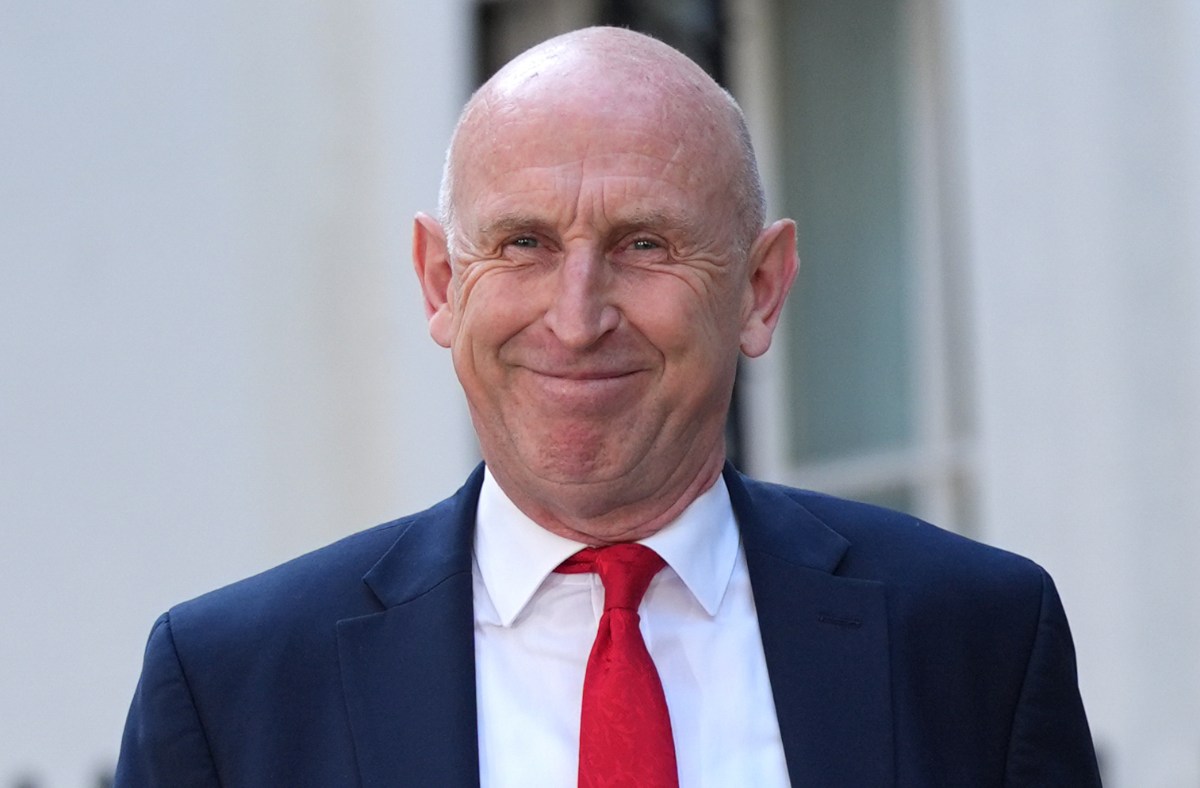
The Treasury has drafted a plan to levy a windfall tax on the UK’s biggest banks and oil producers, and has handed the proposal to John Healey, the chancellor, for consideration ahead of the October budget.
Why a new tax is on the table
Officials say the move could provide "low‑hanging fruit" to rebuild a partly‑eroded fiscal buffer that stood at £22.7 billion after the 2023‑24 financial year. The extra revenue would help fund a £4.7 billion defence investment plan, meet a further £10 billion of departmental cuts and shore up a buffer that the Resolution Foundation warns may have slipped to as low as £8 billion.
Banking chiefs are already voicing concern. Dame Jane Fraser, chief executive of Citigroup, warned the Treasury against a new levy, saying:
We would strongly oppose any new tax that could undermine the stability of the financial system.
Industry bodies such as UK Finance have written to the chancellor, arguing that a tax on financial services could dampen investment and credit availability. Barclays economist Jack Meaning described the likely budget as a continuation of the previous government’s fiscal approach, suggesting the Treasury will rely more on reallocating existing spending than on major new taxes.
Fiscal pressures beyond taxation
London’s public finances are also being squeezed by rising public‑sector pay commitments. The Greater Manchester mayor, Andy Burnham, has agreed to a 3.6 percent raise for Avanti train drivers, while drivers on the east‑coast operator LNER could see a 12 percent increase over four years. Those commitments limit the government’s ability to provide additional relief to households and businesses.
The Office for Budget Responsibility will publish its updated forecast alongside the budget, and a Treasury spokesperson reiterated that the chancellor remains focused on boosting business, easing the cost‑of‑living pressures and meeting fiscal rules.
What to expect at the budget
Analysts expect the October statement to stick closely to the existing fiscal framework, with any new revenue measures likely to be modest. If the windfall tax proceeds, it would be introduced as a temporary surcharge on profits, similar to past measures applied after the pandemic.
Even if the tax is delayed, the Treasury will still need to find ways to protect the fiscal buffer and fund defence spending, a decision that is slated for a spending review in mid‑next year.
For readers interested in how the UK’s tax authority is handling high‑profile cases, see the recent HMRC move against Jamie Carragher for context on enforcement.


