We can’t connect to 5G if it strips away property rights

Lower taxes, net zero and rising fuel costs have dominated the Tory leadership debate. But as we move into the final month of the run-off between Liz Truss and Rishi Sunak, another battle is raging that strikes at the heart of true Conservative values.
We’ve heard a range of promises directed at card-carrying Conservative farmers, with pledges to protect the green belt. But there is a deeper mismatch here and a quiet disregard for property rights across the UK.
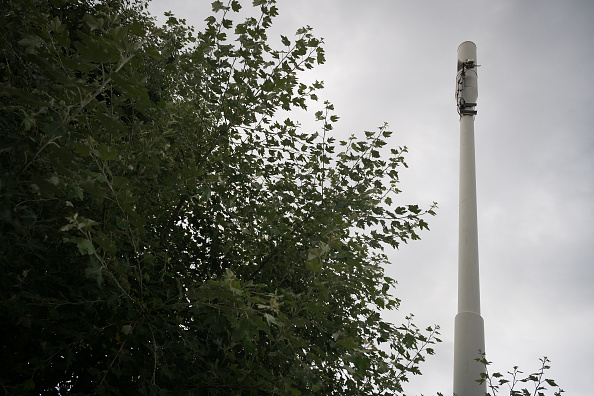
For years telecoms giants have been allowed to take advantage of landowners across the UK, with ministers showing little appetite to protect those affected. To accelerate 5G coverage across the UK, private landowners host phone masts on their property. For doing so, they are paid an annual rental fee by telecommunications providers. That seems not only fair, but a great incentive to speed up 5G rollout. Many of these landowners – farmers, churches, local sports clubs, community groups and hospitals – find the additional revenue stream essential to their survival.
This partnership between landowners and telecoms giants worked well for decades. Faster broadband was made available to millions more people, while historic, valued community groups received vital financial security. But government apathy handed extortionate powers to telecoms giants, and the 5G roll out has subsequently slowed.
Changes made to the 2017 Electronic Communications Code have tipped the balance of power in favour of telecoms companies, in flagrant disregard of individual property rights. After the 2017 Code change, telecoms companies could control the rate of annual rent they would pay to landowners hosting masts on their land. They could also access that land whenever they wished, irrespective of the wishes of the owner of the property, meaning hospitals had to contend with engineers on site at their whim.
The dangers were obvious, and were raised with legislators, but those concerns went unheeded. Despite assurances that no reductions would exceed 40 per cent, many landowners affected have faced rental reductions of as much as 95 per cent.
Private landowners have since lost out on £209m a year. Relative to revenues of the biggest mobile operators, savings have been minimal. But for property owners, the reductions have been crippling.
For example, an NHS hospital in Boris Johnson’s Hillingdon constituency was informed that it would face a £1.7m reduction in annual rent, and was then slapped with a £330k bill for legal costs and back rent at the height of the pandemic in 2020.
Farmers have also suffered, with one Welsh farmer put under relentless pressure to accept a rent cut from £5,550 to a mere £3.50 a year. A Rugby club in Billericay now faces a fight for its future with rent dropping from £8,500 to £750 a year.
Property rights are a basic principle. Much of this was justified on the basis the money saved would be invested into accelerating the adoption of 5G. But there has been little movement on the number of people having access to 5G in comparison with alternative plans.
If property rights can simply be disregarded, without due compensionation, for a specific industry, what is to stop other sectors? On other controversial issues such as fracking, for example, both Liz Truss and Rishi Sunak have emphasised it will only work where it has the support of local communities. The same should be true even for critical infrastructure projects, to simply rip open a person’s land without even paying for the privilege is a bizarre hill to die on.
We all want faster broadband, but this strategy is clearly not working. Sunak and Truss must show they are on the side of their voters.