Why universal basic income is a poor fit for Britain’s AI future
Tech moguls champion universal basic income to offset AI‑driven job losses, but the plan faces steep fiscal, inflationary and political obstacles in the UK.

Silicon Valley investors and the world’s richest entrepreneur Elon Musk have revived calls for universal basic income (UBI) as artificial intelligence threatens to displace large numbers of workers. The idea, once championed by left‑wing economists as a tool to fight poverty, is now being pitched as a safety net for an "AI jobs apocalypse".
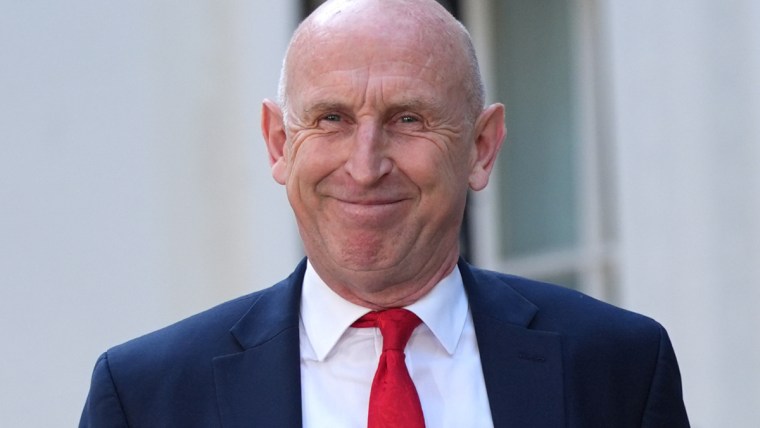
In Britain, where service‑sector jobs are especially vulnerable to automation, the proposal has gained traction among politicians such as Andy Burnham, who described it as an idea whose time has arrived. Yet critics argue the scheme is financially untenable and could exacerbate existing inequalities.
Paying every adult the basic rate of Universal Credit, roughly £400 a month, would cost more than £200 billion a year, a sum comparable to the entire National Health Service budget. Scrapping the existing benefits system would not close the gap; it would simply replace one set of taxes with another, such as higher national insurance, creating a political quagmire.
Political and fiscal challenges
Proponents have suggested funding UBI through a levy on AI‑related profits, but relying on tech CEOs to bankroll a welfare state raises democratic concerns. It would turn citizens into passive recipients of a system shaped by unelected corporate interests.
Injecting extra cash into the economy could fuel inflation in sectors where AI cannot lower costs, such as housing, health and energy infrastructure. Physical constraints and planning rules mean supply cannot expand quickly, so higher demand would likely push prices up, widening the wealth gap.
Looking beyond a cash grant
Earlier this year, Sam Altman of OpenAI signalled a shift in thinking. He said he no longer believes in UBI as a primary solution and outlined a suite of alternatives, including stronger unemployment insurance, pathways to "human‑centred work" and a public wealth fund.
"I no longer believe in UBI as much," Altman said.
Tech firms such as Microsoft and Anthropic have joined a new initiative called RAISE US, aimed at fostering social growth in an AI‑driven economy. Its CEO, Gina Raimondo, warned that UBI could represent "the end of America" if not carefully designed.
Research from decades of cash‑transfer pilots shows that while UBI can improve health and education outcomes, it does not increase labour‑market participation. Polls indicate most people would still prefer to work, valuing purpose, relationships and personal development that a simple stipend cannot replace.
For Britain, the challenge is to craft policies that help workers transition to new roles, invest in education and infrastructure, and ensure the gains from AI are broadly shared, without resorting to an expensive, one‑size‑fits‑all cash handout.
As the debate evolves, policymakers will need to balance the allure of a universal cheque with the practical realities of funding, inflation and democratic accountability.