Wimbledon: Tennis battles with its future off the court

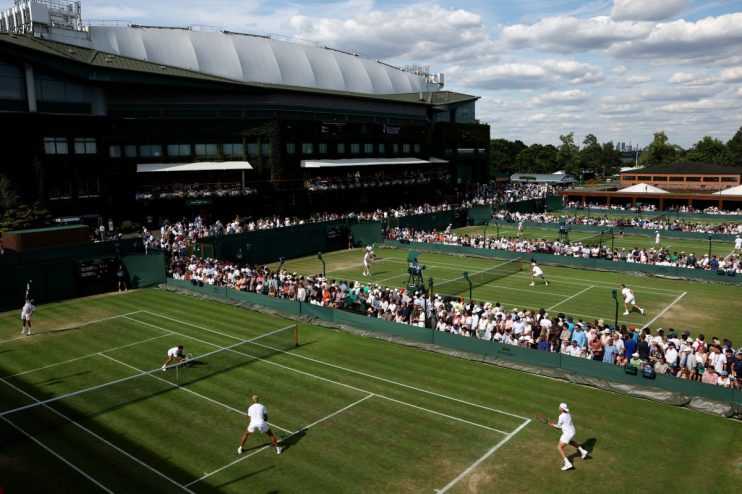
With Wimbledon well into its fortnight the spotlight has once again fallen on the Centre Court, with sold-out crowds, record prize money and the prestige of tennis hospitality all to last another week.
A British upset or two is likely to fuel national excitement, while the Championships continue to top YouGov’s rankings as the most prestigious and best-presented sporting event. It remains a rare jewel in British sport. Not just a tournament, but a brand with unmatched intellectual property value.
But tennis is grappling with off-court tensions that could reshape its future. From disputes over scheduling, to the pressures of new investment and an increasingly fractured player ecosystem, commercial and structural questions are taking centre stage – before a ball is even hit.
Tennis in a scheduling standoff
At the core of tennis’s off-court battle is its calendar – packed, fragmented and increasingly unworkable. While there is consensus that the calendar needs to be streamlined to maintain fan engagement and player wellbeing, agreement ends there.
Grand slam organisers are advocating for a “Premium Tour” model, which would elevate their events as the unchallenged centrepieces of the calendar. In contrast, the ATP and WTA are pushing to preserve the status and viability of the wider ecosystem, including the 250- and 500-tier tournaments that nurture rising talent and support the global footprint of the sport.
The latest move from the USTA (United States Tennis Association) illustrates the impasse. In an effort to extend its marquee event, the US Open announced a revamped mixed doubles tournament, featuring top singles stars like Carlos Alcaraz and Emma Raducanu and adding a third week to the Slam. Supporters view it as a commercially savvy response to evolving audience demands. Critics see a thinly veiled attempt to sideline traditional doubles players and consolidate power.
Elsewhere, Masters 1000 events like Indian Wells and Madrid have already stretched to two weeks, compounding the fatigue of a year-long tour. Players now find themselves eyeing counterparts in the NBA or football – where athletes benefit from longer off-seasons and more consistent revenue-sharing frameworks.
Novak Djokovic has repeatedly warned that the calendar “puts players at risk, both physically and mentally.” And with rising stars like Holger Rune calling for time off after just a few seasons on tour, the tension between commercial growth and athlete sustainability is undeniable.
New money, old questions
Amid this struggle, one factor has added fuel to the fire: the influx of external investment, particularly from the Gulf.
Saudi Arabia’s Public Investment Fund has forged high-profile partnerships with both the ATP and WTA. Already, the WTA Finals and the men’s Next Gen Finals have been hosted in Jeddah, boasting record prize money but struggling with poor in-stadium attendance and muted atmosphere. While top players welcome the financial uplift, critics question the suitability of such locations for flagship women’s events, citing both cultural disconnects and limited fan engagement.
Looking ahead, speculation around a new Masters 1000 event in Riyadh or Neom by 2028 is growing louder. But with the calendar already bursting, accommodating another top-tier tournament raises difficult questions. Would it edge out long-standing events in tennis heartlands like Monte Carlo or Buenos Aires? The path seems to be mirroring that of Formula 1, which is increasingly anchored in the Middle East, but is also drawing concern about the sport’s global balance and authenticity.
Winners and strugglers: The tennis divide
While governing bodies debate calendars and contracts, the inequality across the player ranks is becoming harder to ignore. At the top sit the global superstars: think Alcaraz, Iga Swiatek, and Jannik Sinner, the athletes that are commanding seven-figure prize money, eight-figure endorsement deals and appearance fees that rival their tournament winnings.
Consider this: Sinner recently earned over $7.5m at the exhibition-only Six Kings Slam in Saudi Arabia – more than double what previous Wimbledon champions have pocketed. Meanwhile, players like Casper Ruud, Daniil Medvedev and Aryna Sabalenka front campaigns for brands like Porsche, Rolex and Nike and their marketability is often tied as much to nationality and global appeal as to results.
Further down the rankings, the story changes sharply. A top-75 singles player might earn less in a season than one Premier League substitute’s weekly wage, all while covering travel, coaching and accommodation. Players like Ons Jabeur have spoken openly about their struggles to fund early careers despite being among the best in the world.
For those in the 100–200 bracket, even making the main draw of a slam can be life-changing. Wildcards offer some relief, but mainly to those from slam-hosting nations. Others face the treadmill of qualifiers and Challenger events, where prize money can’t always cover expenses.
Even within doubles, recent format shifts, like tie-break sets and reduced match times, have made it harder to build careers. And with mixed doubles now being restructured around stars, specialists fear being squeezed out entirely.
Revenue share: A brewing battle
Underlying all of this is a critical structural issue: who controls the money. In most tennis tournaments, players receive between 15 per cent and 30 per cent of total event revenue – far lower than revenue splits in major US leagues, where athletes routinely secure 50 per cent or more.
This disparity lies at the heart of a lawsuit filed in March by the Professional Tennis Players Association (PTPA), aimed at challenging what they label as a “cartel structure” in global tennis. Although no marquee players have yet put their name to the legal action, the case underscores a broader frustration: that players feel increasingly like assets in a system they don’t control.
For now, the big earners can weather the storm. But for those hovering outside the top tiers, the pressure of uncertain income adds to the mental and emotional burden of competing, especially in decisive moments of tight matches, where every point could mean the difference between breaking even or going into debt.
A tennis tipping point
As Wimbledon unfolds, fans will delight in the drama, tradition, and brilliance that the sport still delivers in abundance. But behind the scenes, the global game is at a crossroads. Balancing tradition with innovation, player wellbeing with sponsor demands and equitable growth with elite performance is no small task.
Whether tennis can navigate these crosswinds without fracturing – as golf has – remains to be seen. But one thing is certain, the conversation at the players’ lounge and courtside hospitality suites at SW19 this year will be as much about power structures and prize pots as it will be about rankings and rivalries.