Without new water infrastructure, the UK risks running dry

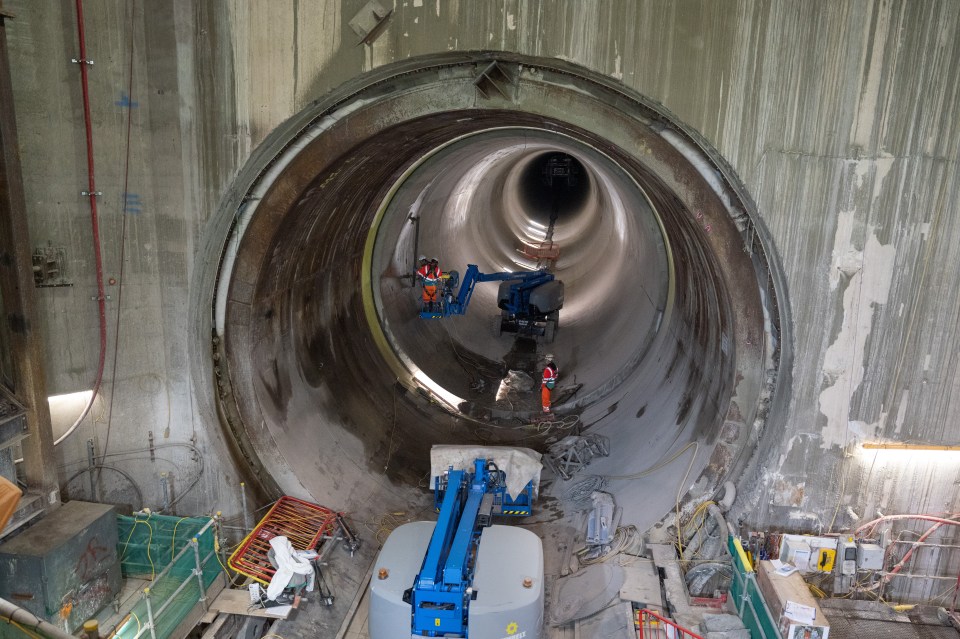
If we want to be a water-resilient country, we need new infrastructure. But a complex planning system means building it is proving harder than it should be, writes Daniel Freiman
The water industry has, for some time, faced a barrage of problems. Yesterday morning, the water firms promised £10bn to stop sewage leaking into our seas and rivers. Before that, drought warnings and hosepipe bans last summer meant the concerns centred on infrastructure and future supply.
In 20 years time the UK may not have enough water to match demand without intervention, according to evidence from the Environment Agency. These findings are stark but not new.
Five years ago the National Infrastructure Commission warned England faces serious risks of water shortages. It advised the government to secure drought resilience by enhancing the capacity of the water supply system through demand management, including leakage reduction, and long-term investment in infrastructure. It found that more than £20bn of investment in new infrastructure was needed over the next 30 years to avoid the risk of a severe drought.
One type of scheme, known as water transfers, would enable water to be moved from areas with surplus to areas of need. New or expanded reservoirs will be needed too. Other solutions, such as reuse schemes and desalination, may also be required.
For a number of schemes, it will be necessary for multiple water companies to work in unison. In 2019, the Regulators’ Alliance for Progressing Infrastructure Development (RAPID) was established to facilitate new large-scale water supply options. But under present plans, the UK will not have built a single new major reservoir between 1991 and 2029. The House of Lords Industry and Regulators Committee recently concluded that failure to deliver more reservoirs could mean “leaving households without water during extreme weather conditions that are becoming more frequent due to climate change”.
Planning consent will be required for all water supply infrastructure projects. Some of them will be “nationally significant infrastructure projects” requiring development consent under a special consenting regime.
As we’ve seen with other infrastructure projects, getting planning consent in the UK is no easy feat. And the consenting system, even for nationally significant schemes, is under pressure. The time taken to secure consent is increasing, as are legal challenges. There are various factors at play – resourcing constraints, more complex and lengthy applications, and increasingly active and sophisticated objector organisations. In the last year or so, decisions on several energy and transport projects were delayed beyond statutory timescales, while the courts have been busy dealing with legal challenges to wind farms, roads and airport projects.
The government knows there is a problem, and is attempting to speed up the system.
One important area of reform is aimed at ensuring that national policy statements are more regularly reviewed and updated so they provide strategic direction and a settled policy basis for granting consent to these projects. Recent publication of the long-awaited national policy statement for water resources infrastructure is a positive step.
But as summer slowly approaches, policymakers must take their commitments to infrastructure and planning policy seriously if we are to develop more sustainable solutions for the future. This includes investing in modern infrastructure, improving water efficiency, and promoting behaviour change across the UK. Failure to act swiftly will not only prolong the severe consequences of a warmer climate which we experienced last summer, but also impact the future of the UK’s water security and the environment. With another record breaking hot summer forecast for the UK this year, it looks like the scrutiny of the water industry is set to stay.