Former F1 champion ordered to pay £1.4m tax bill after farm loss appeal fails
A court ruling forces the 1979 Formula 1 world champion to settle a back‑dated tax bill of more than £1.4 million.
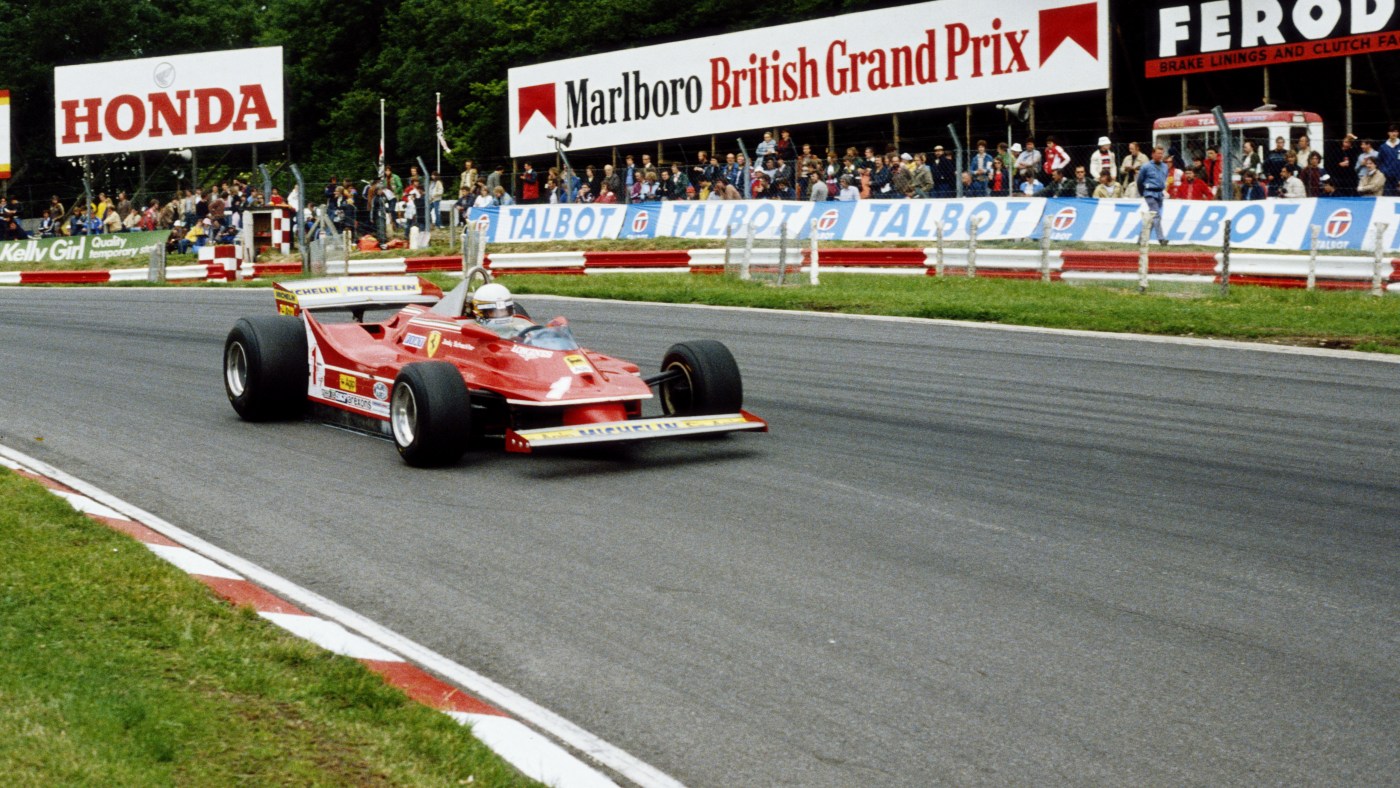
Jody Scheckter, the 1979 Formula 1 world champion, has been ordered to pay a £1.4 million tax bill after a First‑Tier Tribunal judge dismissed his appeal against HM Revenue & Customs (HMRC). The dispute centred on the accounting of losses at his buffalo‑farm operation on the 3,000‑acre Laverstoke Park estate in Overton, Hampshire.
Background to the dispute
After moving to the United Kingdom in the 1990s, the South African former driver bought the Laverstoke Park property and set up Laverstoke Farm Produce LLP, a business that supplied dairy products to retailers such as Ocado. Between 2008 and 2010 the farm recorded losses, which the company attempted to offset against profits from other activities. HMRC argued that the losses were incorrectly claimed under the Income Tax (Trading and Other Income) Act 2005 and that the relief should have been terminated in 2019 after continued deficits.
"I feel considerable sadness at the outcome of the appeal, noting that the appellant did have an altruistic purpose in carrying on the business in addition to his profit motive," Judge Tony Beare said.
The tribunal agreed with HMRC, noting that the farm never turned enough profit within the five‑year window required for sideways loss relief. As a result, the back‑dated liability exceeds £1.4 million.
Implications for tax relief and farming
The ruling underscores the importance of accurate tax planning for agribusinesses, especially those that diversify into food supply chains. HMRC’s stance may prompt other farm owners to review their loss‑relief claims, potentially leading to further disputes.
For Clare Scheckter, listed as a member of the LLP on Companies House, and for the related entities Laverstoke Park Produce, Laverstoke Park Mill Ltd and Laverstone Park Farm Ltd, the decision means a significant cash outflow and may affect future investment in the estate.
Looking ahead, the Scheckters could appeal the decision or negotiate a payment schedule, but the immediate impact is a sizable financial burden that could influence the viability of the farm’s operations and any plans to revive the buffalo business.
In sum, the case serves as a cautionary tale for high‑net‑worth individuals entering the agricultural sector: tax compliance remains paramount, regardless of fame or philanthropic intent.